As the world prepares to mark World Water Day on March 22, sanitation challenges in cities surrounding Lake Victoria are drawing renewed attention, particularly in Kisumu, where poor waste management continues to threaten water quality.
While the lakeside city has made progress in improving access to clean water, sanitation remains a major concern.
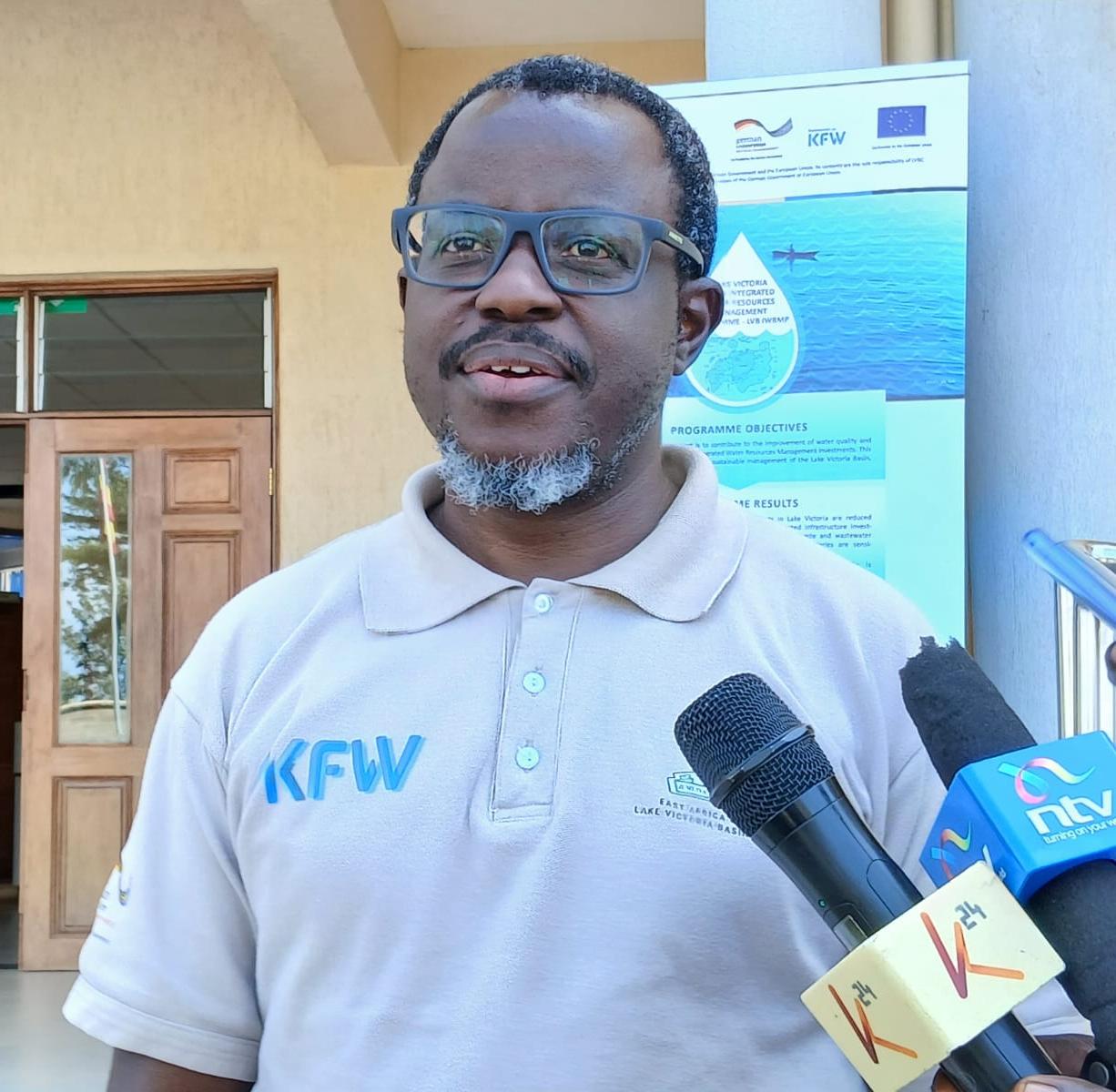
According to Arsene Mukubwa, Regional Programme Coordinator for Integrated Water Resources Management at the Lake Victoria Basin Commission, more than 90 per cent of Kisumu residents have access to water supply, yet only about 19 per cent have access to improved sanitation.
This gap, he said, means that a large amount of wastewater produced in homes and businesses is not properly treated, eventually flowing into drainage systems and ultimately into Lake Victoria.
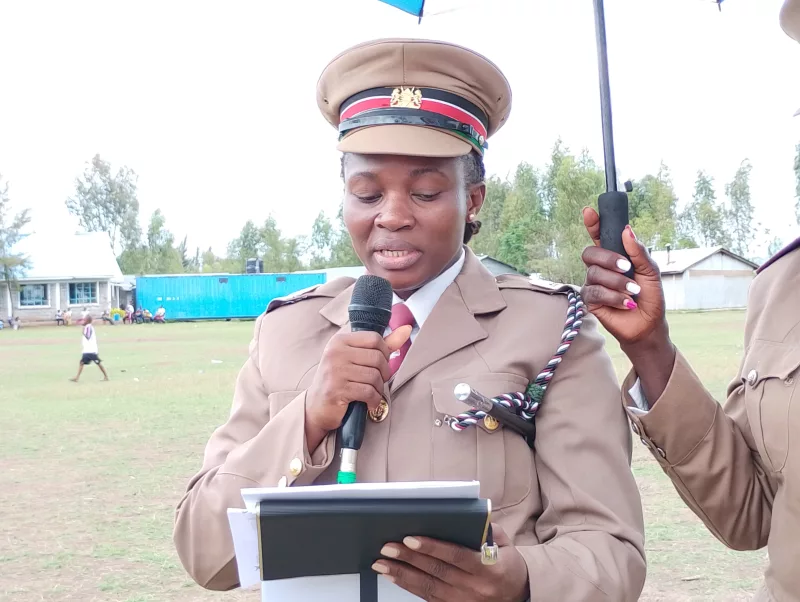
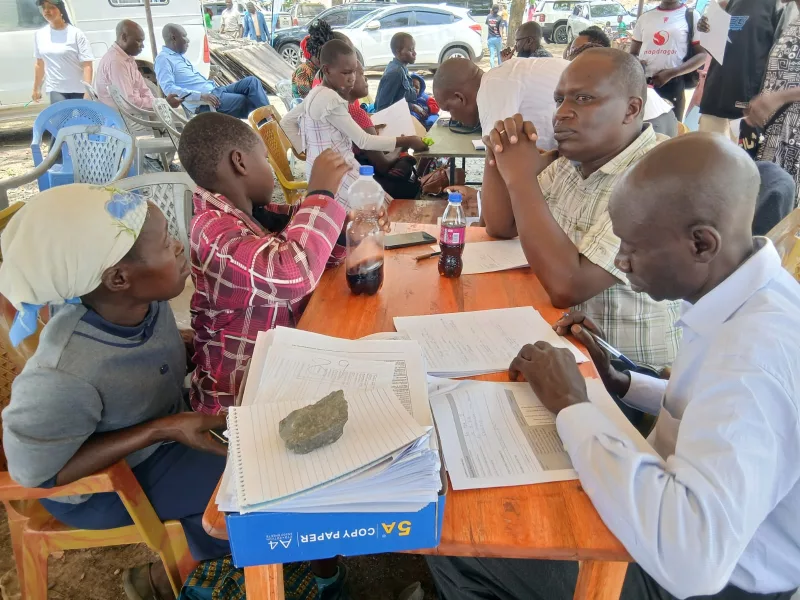
To address this problem, the Lake Victoria Basin Commission is implementing a sanitation improvement project in Manyatta, one of Kisumu’s densely populated informal settlements.
Mukubwa said the project aims to reduce untreated effluent entering the lake by improving sanitation infrastructure in the area.
“Under the initiative, about 550 household sanitation facilities will be constructed, alongside sanitation blocks for schools and health facilities”.
The project is expected to benefit approximately 10,000 residents.
The facilities will also be connected to the sewer system managed by the Kisumu Water and Sanitation Company, helping ensure that waste is properly collected and treated instead of flowing into the environment.
Mukubwa said the sanitation improvement project in Manyatta is valued at about 13 million euros, which is approximately KSh 1.9 billion.
He further stated that the feasibility study, designs and environmental and social impact assessments have already been completed.
“The next step is procurement, and by the end of this month, we will open the tender, and if all goes well, construction can begin in June.”
He noted that improving sanitation is critical to protecting the lake’s ecosystem.
“When people receive water in their homes, only a small portion is used for consumption. The rest becomes wastewater. If that water is not properly managed, it eventually ends up polluting the lake,” he said.
Similar interventions are also being implemented in other cities within the Lake Victoria Basin.
In Mwanza, Tanzania, the programme will connect about 1,600 households to sewer systems and expand sewer lines to improve waste management.
In Kampala, Uganda, authorities are rehabilitating and expanding wastewater systems in key drainage areas that discharge into the lake.
Meanwhile, in Kigali, Rwanda, a faecal sludge treatment plant is being developed to ensure waste collected from septic tanks is properly treated before disposal.
The regional programme covering Kenya, Uganda, Tanzania, Rwanda and Burundi aims to improve water quality across the basin.
The initiative is funded by the European Union and German Federal Ministry for Economic Cooperation and Development (BMZ), with a combined investment of about 68.9 million euros.
As the region gears to mark World Water Day, experts say improving sanitation, strengthening waste management systems and increasing public awareness are key to protecting Lake Victoria, which supports the livelihoods of more than 35 million people across the basin.