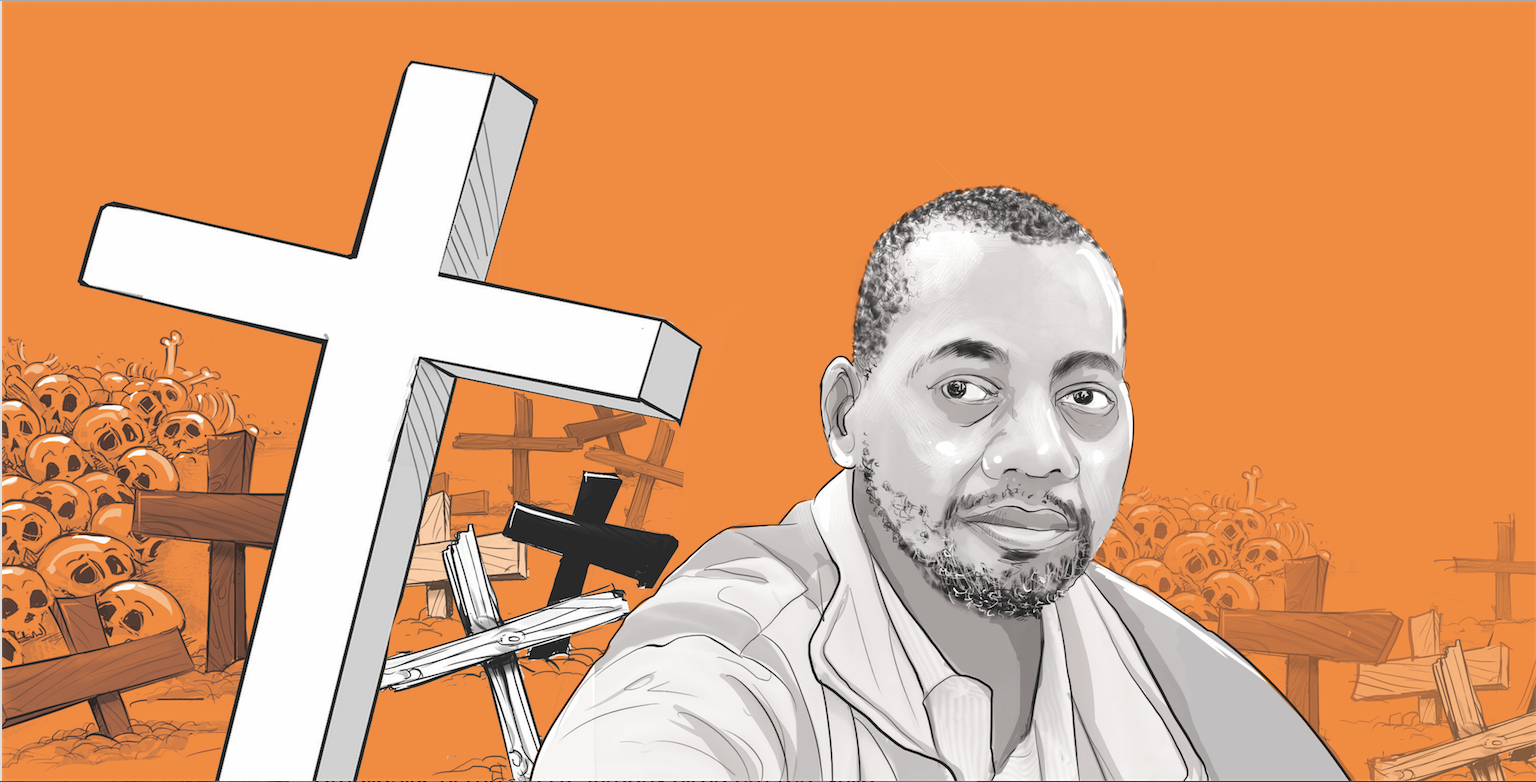
Political and institutional leadership plays a decisive role in determining whether corruption flourishes or declines, the chairperson of the Ethics and Anti-Corruption Commission David Oginde has said.
Oginde said the ethical tone of a nation is largely shaped by those entrusted with leadership positions in government and public institutions.
Speaking during the Kenya Leadership Integrity Forum (KLIF) Campus Edition at Pan Africa Christian University, Oginde warned that when leaders tolerate unethical behaviour or fail to enforce accountability, corruption easily takes root within institutions and gradually becomes normalised in society.
“Leadership plays a decisive role in determining whether corruption flourishes or retreats. The ethical tone of a nation is often set by those who lead its institutions. When leaders tolerate corruption, corruption multiplies. When leaders excuse wrongdoing, integrity becomes optional and the systems meant to serve citizens begin to weaken,” he said.
He noted that the fight against corruption cannot succeed without leaders demonstrating strong ethical standards and commitment to transparency and accountability in public service.
“Leadership shapes expectations, institutions and behaviour. When leaders demonstrate moral courage, insisting on transparency, strengthening oversight mechanisms and enforcing accountability, corruption begins to lose ground,” Oginde said.
The EACC chair described corruption as a hidden but dangerous threat that quietly undermines governance systems, weakens institutions and erodes public trust.
He cautioned that corruption often operates discreetly through procurement decisions, regulatory approvals and everyday interactions between citizens and public officials.
According to Oginde, the greatest casualty of corruption is trust, which forms the foundation of effective governance.
“When citizens begin to believe that justice can be bought or that opportunities depend on connections rather than merit, the legitimacy of institutions begins to erode,” he said.
He said corruption remains a persistent threat to Africa’s progress, undermining economic growth, public trust, and institutional integrity.
Oginde described corruption as a “snake under the bed”, often hidden yet capable of destabilising systems from within.
“You may not see it, but once you know it is there, the entire room becomes unsafe. Accepting corruption as necessary is like saying the snake under the bed performs a useful function; no responsible household accepts a snake as part of the furniture,” he said.
He noted that Africa currently stands at a moment of significant opportunity, with youthful populations, expanding markets, and growing innovation driving the continent toward prosperity.
However, he warned that corruption quietly erodes these gains through compromised procurement, licensing approvals, and everyday interactions between citizens and institutions.
He emphasised that strong institutions and ethical leadership are essential to restoring confidence in public systems and ensuring resources meant for development benefit citizens.
Oginde also urged young people and future leaders to uphold integrity in both public and private life, noting that corruption often begins with small compromises that gradually become entrenched in society.
The forum brought together students, faculty and governance stakeholders to discuss integrity, accountability and the role of young leaders in strengthening ethical leadership in Kenya.