 Mobile dialysis clinic bringing kidney treatment closer
to patients in Murang’a county /AGATHA NGOTHO.
Mobile dialysis clinic bringing kidney treatment closer
to patients in Murang’a county /AGATHA NGOTHO.
Chronic kidney disease (CKD) is emerging as a major health challenge in Kenya.
According to the World Health Organization (WHO), an estimated four million Kenyans, about one in every 10 adults are living with chronic kidney disease, and the number could rise to 4.8 million by 2030.
Data from the Kenya Renal Association shows about 10,000 patients in the country suffer from end-stage renal disease, while nearly 1,000 deaths occur every year due to kidney-related complications.
Despite the growing burden, access to dialysis remains limited, particularly outside major cities.
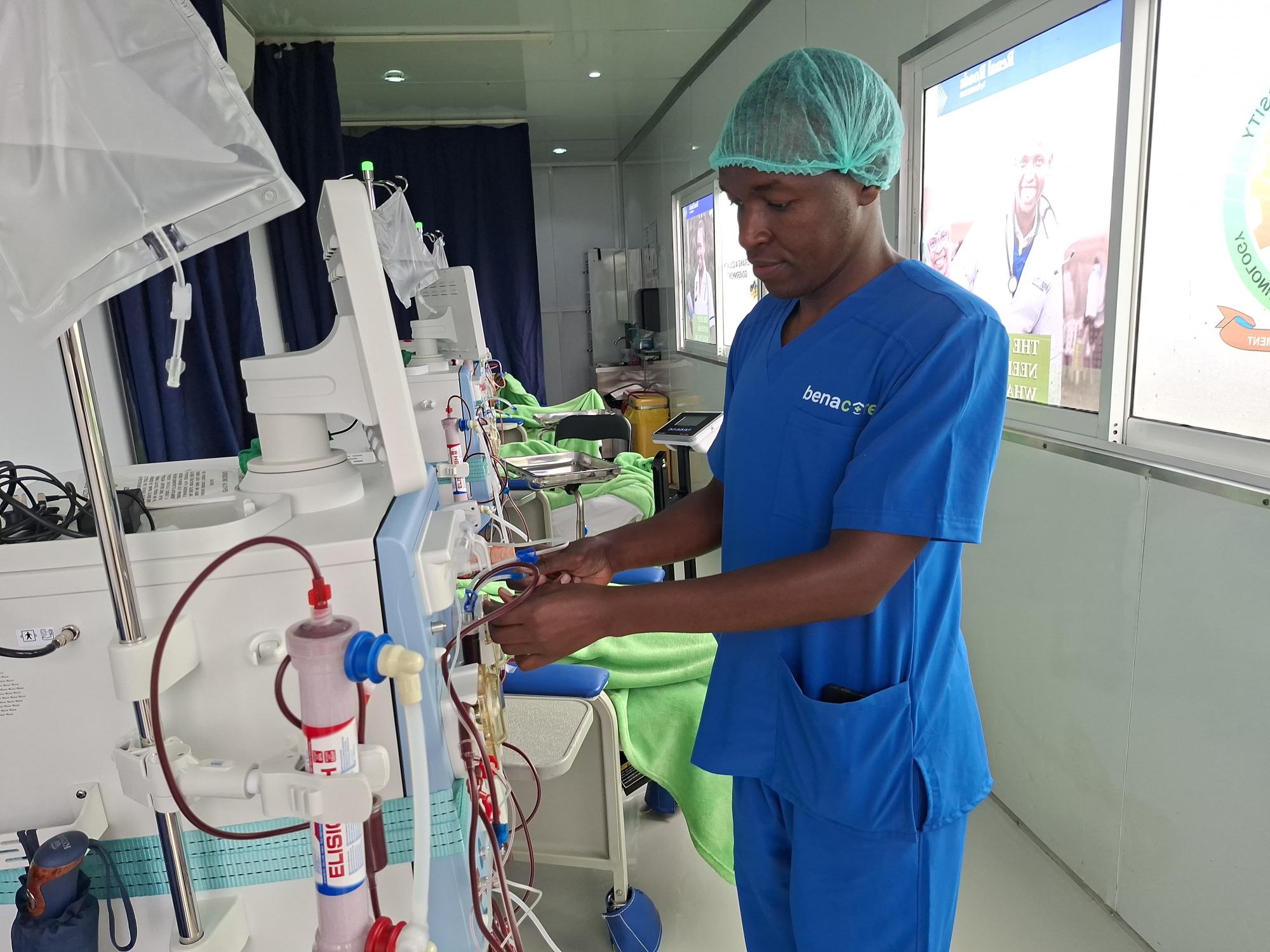 Ephraim Wambugu, a critical care renal nurse working with the Bena Care programme,
the mobile clinic truck is designed to reach patients who cannot easily access kidney dialysis
services in hospitals /AGATHA NGOTHO
Ephraim Wambugu, a critical care renal nurse working with the Bena Care programme,
the mobile clinic truck is designed to reach patients who cannot easily access kidney dialysis
services in hospitals /AGATHA NGOTHO
Dialysis machines are scarce in many public hospitals and the cost of treatment and travel to referral hospitals places a heavy burden on many families.
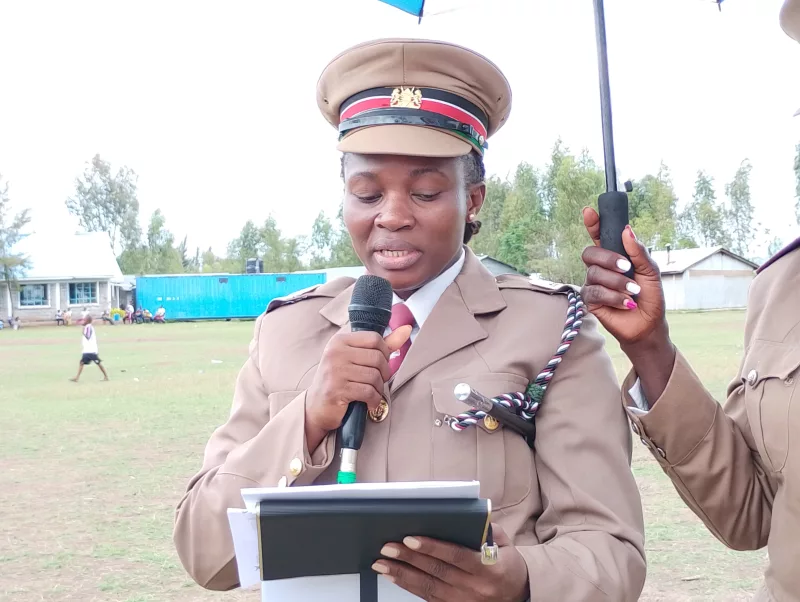
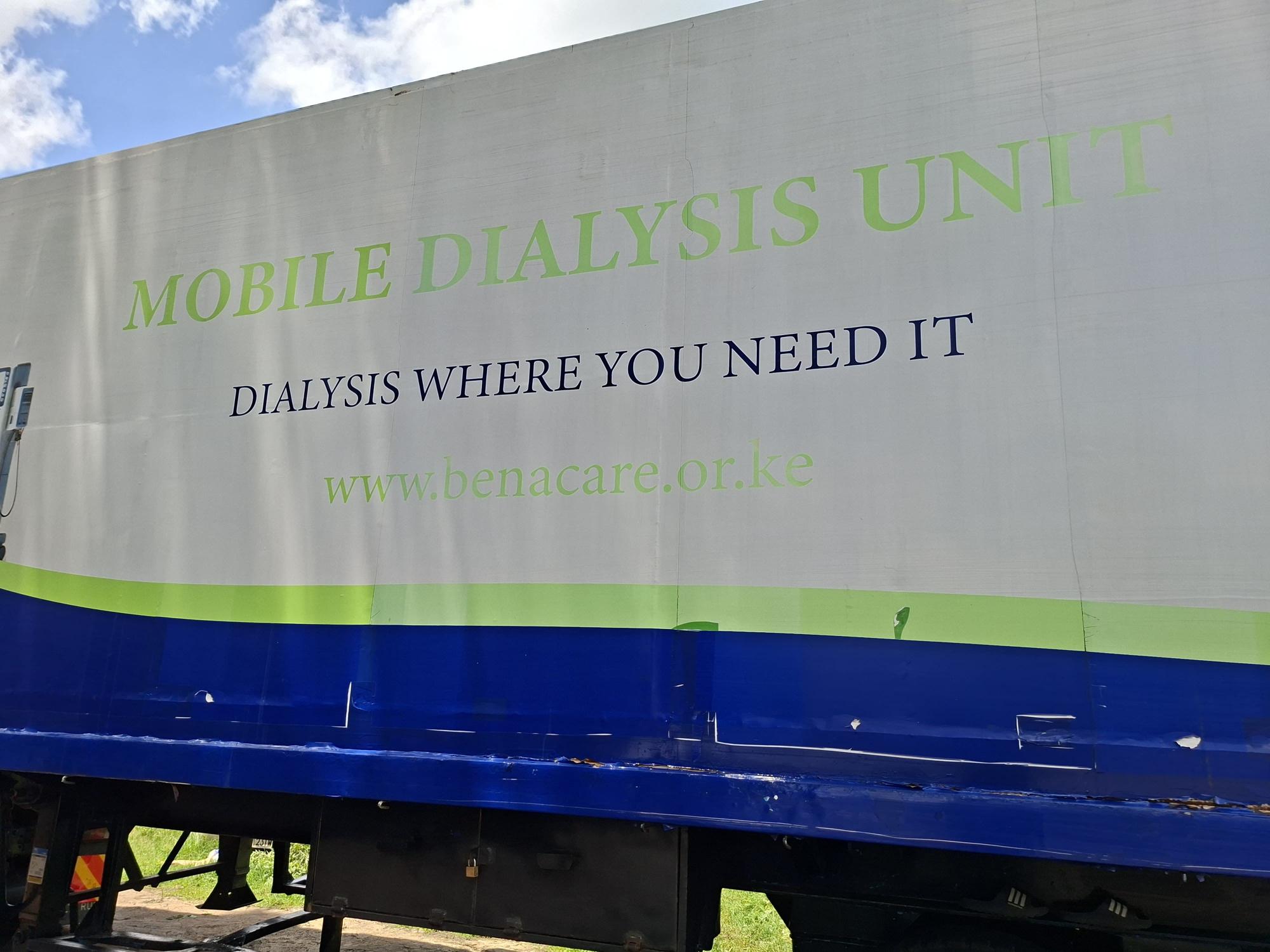
To help bridge the gap, the Murang’a government, in partnership with healthcare partners, has introduced a mobile dialysis clinic, a truck that is equipped with dialysis machines, medical supplies and medical personnel. The unit travels to villages and local centres, bringing treatment closer to patients.
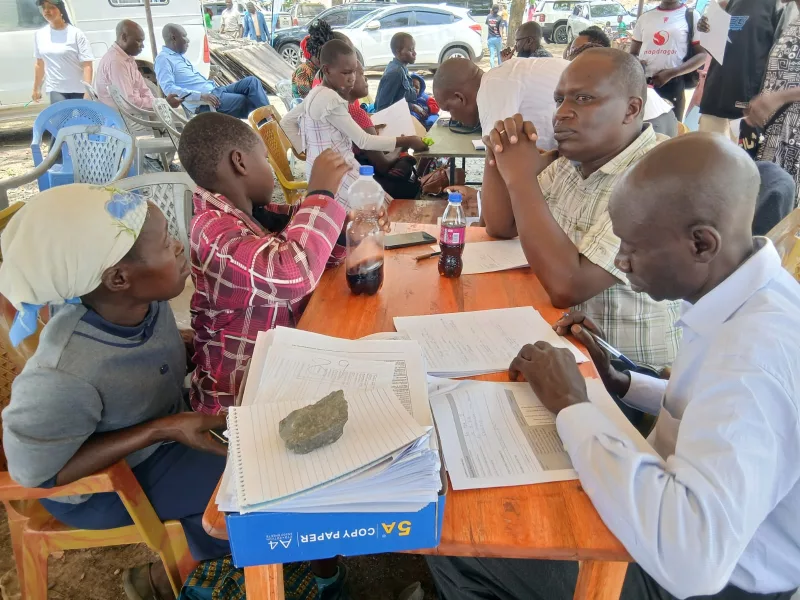
So far, the mobile clinic is serving close to 200 patients across the county, many of whom previously travelled long distances for treatment.
Richard Thuku, who was diagnosed with kidney disease in 2022, says the service has made treatment more accessible.
“I was already in stage four when doctors discovered the problem. At that time, I had almost lost hope because I did not know much about dialysis,” he said.
Thuku initially received dialysis in Nakuru, but when the hospital closed its unit, he struggled to find another facility.
“Once you start dialysis you cannot stop. When I found the mobile clinic in Murang’a, it was a big relief because it is closer to where I stay,” he said.
“Before, we used to travel many kilometres looking for treatment.”
For Beth Njoroge from Gataka-ini in Murang’a, the mobile service has significantly reduced the cost and difficulty of seeking care. Wangari, who lost both legs due to diabetes complications, was diagnosed with kidney disease in 2025.
Previously, she travelled to a dialysis centre in Nairobi where transport alone cost her nearly Sh4,000 per visit.
“Now I go to Gatura where the mobile clinic comes. I still spend about Sh1,500 on transport because of my disability, but it is much cheaper, easier and closer,” she said.
Henry Thuko from Giatutu village, who was diagnosed in July 2025, now attends dialysis sessions twice a week.
“I noticed my face swelling and when I went to hospital, they said it was kidney disease. Since then, the mobile clinic has helped because it is within reach,” he said.
According to Ephraim Wambugu, a critical care renal nurse working with the Bena Care programme, the truck is designed to reach patients who cannot easily access dialysis services in hospitals.
“We bring treatment closer to the people. Many patients live far from hospitals that offer dialysis,” he said.
The truck carries three dialysis machines, each session taking about four hours. Due to high demand, the medical team sometimes works late into the night.
“In a day we can treat more than 10 patients, and sometimes we work until midnight because the need is very high,” Wambugu said.
He said patients do not pay cash for the treatment because it is covered through the Social Health Authority (SHA) together with the county government’s Kang’ata Care programme.
Research shows Murang’a county has a particularly high burden of kidney disease.
A joint study by the Murang’a county health department and Jomo Kenyatta University of Agriculture and Technology (JKUAT) found that about 15 per cent of adults in the county show signs of kidney impairment, with cases rising by 22 per cent in the past three years, according to hospital records.
Health experts attribute the increase partly to lifestyle factors such as poor diet, diabetes and high blood pressure.
Experts also note climate-related risks such as heat stress, dehydration and pollution are linked to kidney disease, hence the need for sustainable healthcare solutions.
“People need to be careful about what they eat and how they live because lifestyle plays a big role in their health in the future,” Wambugu said.
The mobile clinic, launched by Bena Care, is currently moving between different locations in Murang’a county, with plans to introduce more units in future to reach more patients.
According to the World Kidney Day campaign, chronic kidney disease affects about one in 10 people worldwide and often progresses silently until advanced stages.
The 2026 theme, “Kidney Health for All – Caring for People, Protecting the Planet,” calls for improved access to early screening and treatment, while pointing out how environmental factors such as heat, dehydration and pollution can increase the risk of kidney disease.