Medical specialists at Jaramogi Oginga Odinga Teaching and
Referral Hospital (JOOTRH) have raised the alarm over a rise in
pregnancy-related complications.
Over the past year, the facility has recorded a significant
increase in pre-eclampsia and eclampsia.
Hospital data shows that nearly 30 out of every 300 women
delivering at JOOTRH now present with high blood pressure during pregnancy.
This is a substantial
rise from previous averages of seven cases per 300 births.
Health workers report the condition is appearing earlier
than expected, with some cases diagnosed before 20 weeks of gestation.
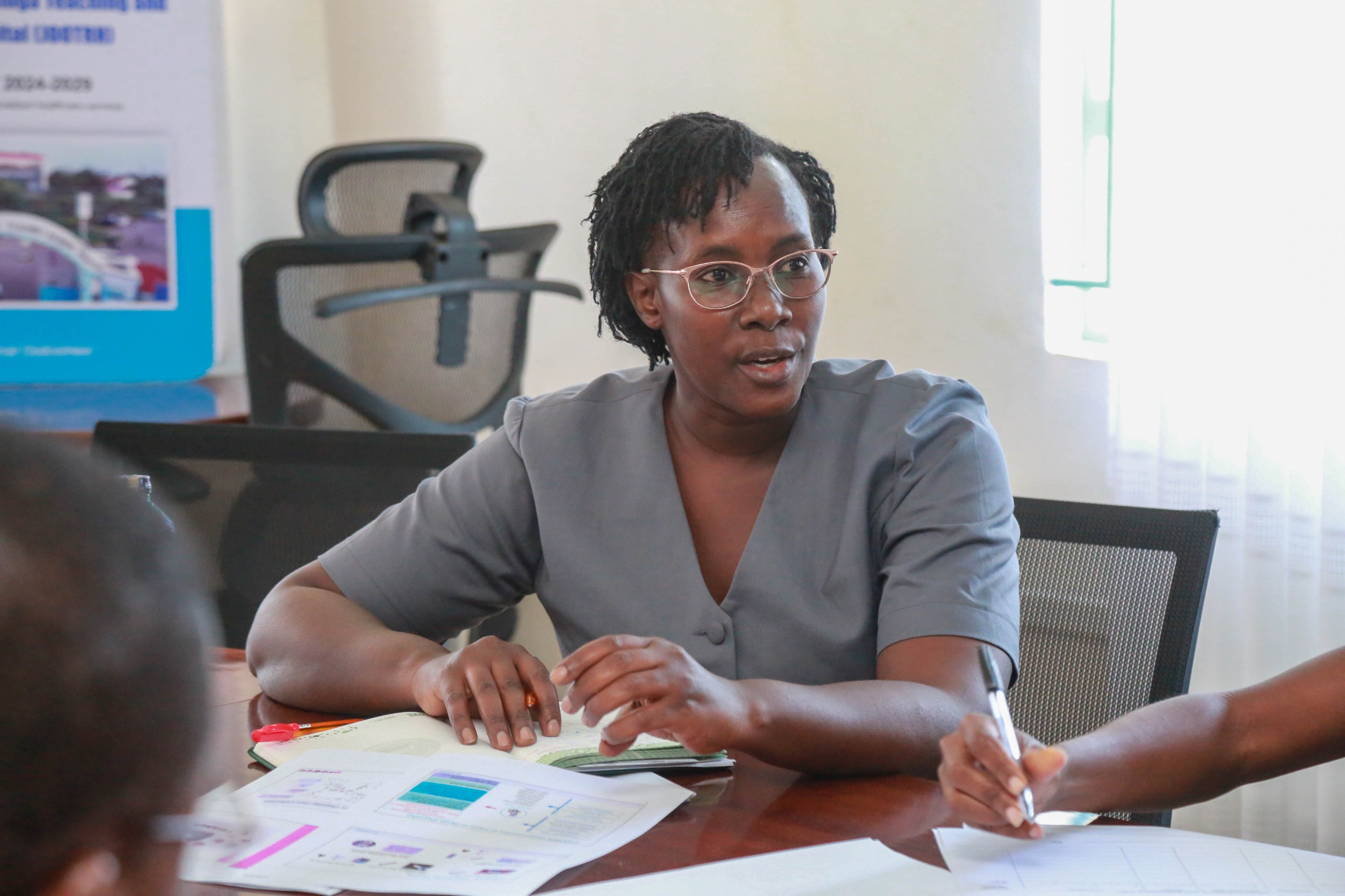
Deputy director of Nursing and Maternity Nurse Manager Rosebella
Apollo said; “We are seeing more mothers coming in with severe hypertension
much earlier than typically described in international guidelines.”
“This raises serious concern and calls for further research
into the underlying causes.”
According to the World Health Organization, pre-eclampsia
usually develops after 20 weeks and can damage vital organs if untreated.
At JOOTRH,
complications are becoming increasingly severe.
In a single month,
seven pregnant women developed acute kidney injury linked to pre-eclampsia,
requiring dialysis.
Many patients are referred from smaller regional facilities,
increasing the pressure on the hospital.
“This trend is worrying because many mothers arrive in critical condition,” Apollo said.
The rise in cases was highlighted during a visit by the Child
Health and Mortality Prevention Surveillance team and representatives from the
National Reproductive, Maternal, Newborn and Child Health (RMNCH) programme.
The delegation, led by Dr Victor Akelo, toured the maternity
and newborn units to review collaborative research and identify ways to
strengthen clinical and laboratory services.
Dr Florence Aweyo said pre-eclampsia and eclampsia remain
leading causes of maternal deaths in the facilities studied, including Kuoyo
Health Centre, Siaya County Referral Hospital, Ting’wang’i Health Centre and
JOOTRH.
To address this trend, health authorities have strengthened
referral guidelines.
Lower-level facilities must now immediately refer suspected
cases to JOOTRH for specialised management.
Consultants from the referral hospital are also conducting
periodic visits to screen pregnant women and initiate early treatment.
Maternity healthcare workers have undergone specialised
training to improve the early diagnosis and management of pregnancy-related
hypertension.
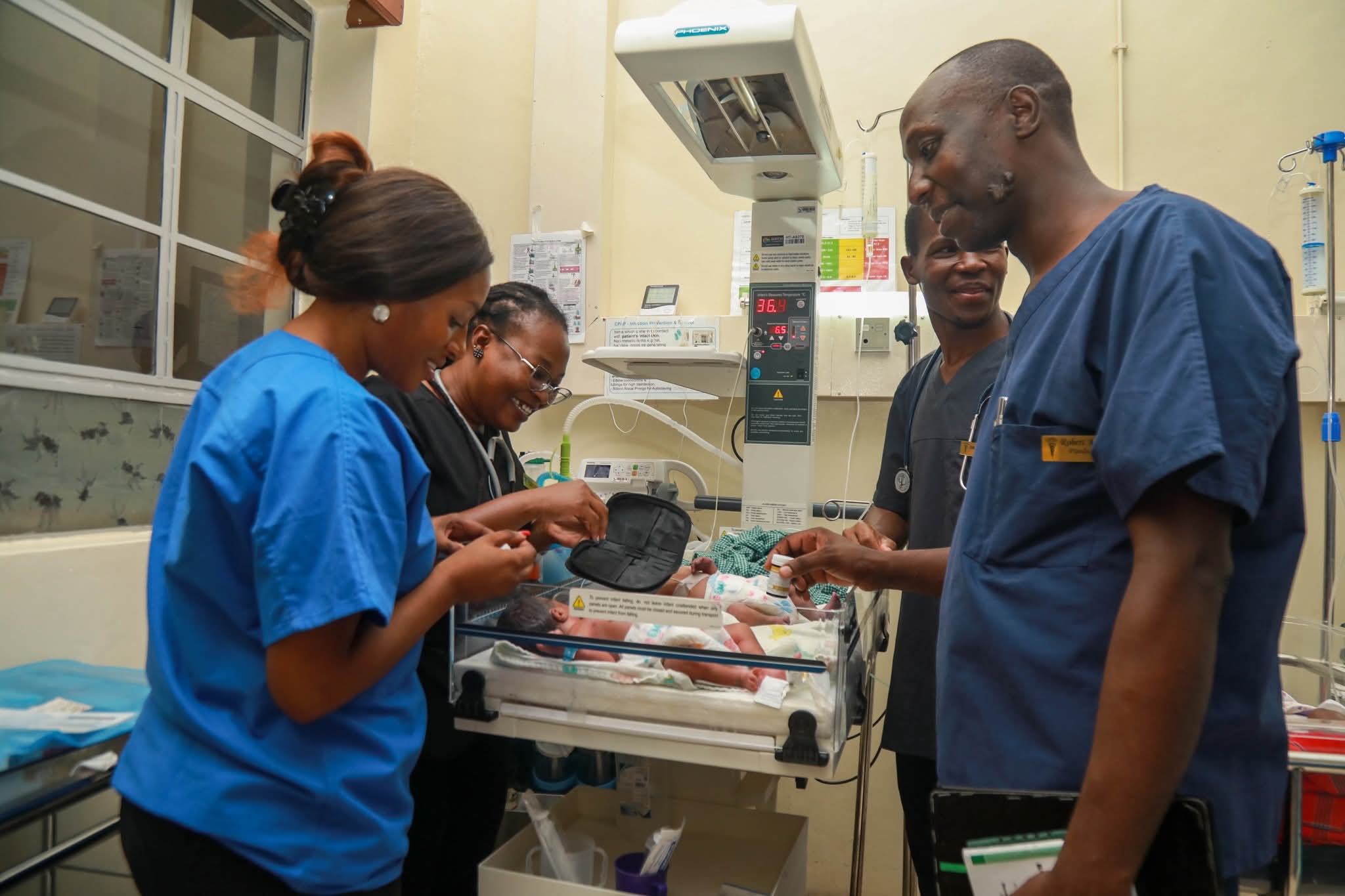
The partnership with CHAMPS has also enhanced newborn care.
This includes the donation of pulse oximeters and training on Immediate
Kangaroo Mother Care, which promotes skin-to-skin contact for premature babies.
Senior Director of Nursing Services at JOOTRH Teresa Okiri emphasised
the importance of collaboration.
“Working closely with research teams has helped improve
clinical care and our understanding of maternal and newborn deaths,” she said.
Beyond research, the partnership has strengthened laboratory
infrastructure and supported evidence-based decision-making.
Efforts are also underway to develop molecular diagnostic
capacity to advance maternal and child health research.
Health experts stress that continued surveillance and research are critical to understanding why severe pregnancy-related hypertension is increasing and to identifying strategies to reduce maternal deaths in the region.