Fashion has always been about more than clothes, its identity, status and a way to tell the world who you are.
However, in 2026, the fashion spotlight is shifting from physical closets to virtual ones.
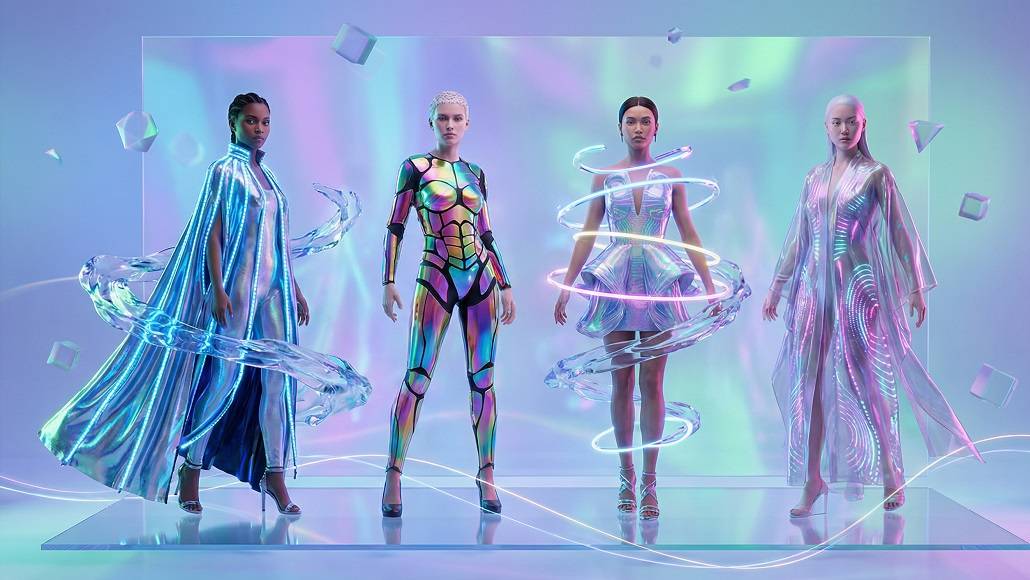
Digital fashion, a once-niche concept, is now a booming industry where people spend thousands on outfits that only exist on screens.
From Gucci sneakers that cannot be worn in real life to entire digital couture collections unveiled in virtual reality, the line between reality and pixels is disappearing and the internet cannot get enough.
“As digital fashion has grown in popularity, it’s also become more inclusive of a diverse range of people, personal styles and body shapes. People seek out products that make them feel like their most authentic selves’ imperfections and all,” Mishi McDuff, founder of House of Blueberry, shared with an international media house.
For Gen Z and Gen Alpha, who live large portions of their lives online, style is less about fabric and more about flexing your digital persona.
This trend is not just changing wardrobes but redefining what it means to be fashionable.
The rise of digital fashion
Digital fashion is exactly what it sounds like: clothing and accessories designed for avatars, photos, and virtual environments rather than the physical world.
These pieces are often sold as Non-fungible tokens (NFTs), meaning each item is unique, verifiable, and can be resold or traded in the digital marketplace.
High-end brands like Balenciaga, Gucci, and Dolce & Gabbana have launched entire virtual collections, sometimes costing thousands of dollars, sparking excitement and curiosity alike.
Italian digital fashion designer Larissa Castellano Pucci said today digital fashion is its own subject and has its own platforms, economy, and rules.
“Perhaps the biggest change to the landscape was the boom of NFTs. What excites me most about NFTs is that the creative process is a conversation, and the creative pipeline is being reimagined,” she said.
Platforms like The Sandbox, Decentraland, and even social media apps like Instagram are becoming mini runways.
Designers host digital fashion shows where avatars strut down a virtual catwalk while audiences tune in from their devices, commenting, cheering, and even purchasing outfits in real time.
Why people are buying pixels
The question on everyone’s mind is why people spend real money on clothes they cannot physically wear.
The answer, however, lies in status, exclusivity, and expression since for many digital natives, the digital self is just as important, if not more important, than their physical self.
A one of a kind NFT jacket or a limited edition avatar shoe is the ultimate flex online.
CEO of Diverge Diana Perfilieva at one time said, “Digital fashion offers new ways for young consumers to express themselves across platforms and communities since our main goal is to make the Metaverse fashionable.”
Influencers on TikTok, Instagram, Snapchat and Twitch are fuelling the trend, showcasing their avatars in rare digital couture that fans want to emulate.
Some users have reported spending thousands of dollars just to ensure their avatar’s virtual wardrobe matches their online persona.
Beyond status, digital fashion also offers unlimited creativity.
Avatars can wear gravity-defying outfits, glowing sneakers, or dresses made of liquid light designs impossible in the real world.
Cultural impact of digital fashion
Digital fashion is spilling over into the real world in surprising ways.
Collaborations between virtual designers and physical brands are becoming common, and streetwear trends are increasingly inspired by digital aesthetics.
The Y2K resurgence, neon colours, oversized silhouettes, and even glitch-inspired textures are being mirrored in both virtual and physical clothing lines.
“I love doing this since it gives me so much freedom of creativity, and I love stepping into this absolutely different world. The Metaverse is a playground for avant-garde fashion, much more than what we wear in our everyday lives,” Berlin stylist Michaela Leitz said.
Social media is amplifying this crossover as Instagram filters and AR apps allow users to “try on” digital outfits in real-life photos, making it possible to wear digital couture in real-world posts.
Some influencers now post fully digital fashion photo shoots, blurring the line between reality and virtuality.
Designers and gamers alike are embracing the creative freedom of digital fashion.
“Web3 renders my design virtually 3D, turning the ruffle’s stillness into aliveness. The future will be less material than the present. In our increasingly digital world, expressing identity in the digital realm is just as important as in our physical dimension,” Hong Kong designer Arto Wong told China Daily.
This emphasises the philosophical and cultural significance of digital fashion, showing that it is more than a gimmick since it is a statement about identity and expression in a digital world.
The future of fashion is digital
Sustainability is a major selling point because digital fashion reduces the need for raw materials, production, and shipping, cutting down on carbon emissions.
For brands, it opens new revenue streams and global reach without inventory constraints.
Tech is also evolving to make digital fashion even more immersive.
AR glasses, VR headsets, and metaverse platforms will allow people to wear and display digital outfits in real life, turning public spaces into virtual runways.
Fashion weeks of the future may be part physical, part digital and entirely interactive, bridging communities across the globe.
Fashion has always reflected the times, and in 2026, those times are digital, interactive, and global.
Digital fashion is not just a trend but a cultural revolution that challenges how we define style, identity, and luxury.
Your avatar may not feel the fabric, but it can certainly make a statement, and in a world dominated by screens, that statement might be more powerful than anything you wear in real life.