 The Chief Justice celebrated Justice Ibrahim as a devoted judicial officer who contributed to justice, constitutionalism and the rule of law by championing the protection of human rights.
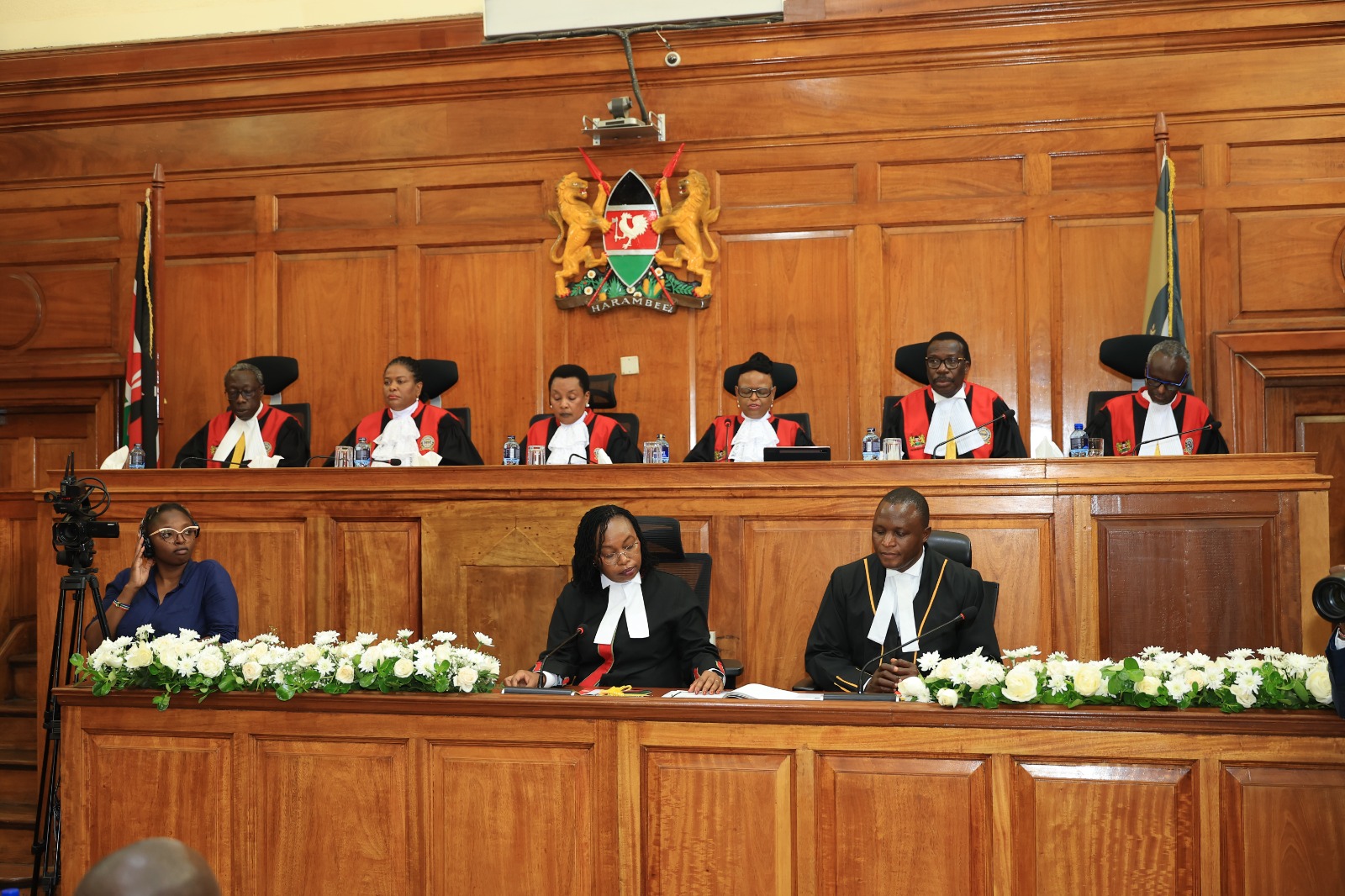
The legal fraternity, led by Chief Justice Martha Koome, on Monday honoured the late Justice Mohammed Ibrahim during the Closing of File Proceedings at the Supreme Court of Kenya in Nairobi.
Justice Ibrahim passed away on December 17, 2025, at the age of 69, just weeks before he was due for retirement on January 1, 2026, when he would have reached the constitutional retirement age of 70.
Koome described the ceremony as both symbolic and solemn, marking the official closure of the judge’s work within the Judiciary.
The Chief Justice celebrated Justice Ibrahim as a devoted judicial officer who contributed to justice, constitutionalism and the rule of law by championing the protection of human rights.
“From his early years as a courageous advocate for democratic reform to his distinguished service as a Judge of the High Court and later as a member of the inaugural Supreme Court bench under the Constitution of Kenya 2010, he demonstrated unwavering integrity, intellectual depth, and independence of thought,” she said.
She added that his contributions to Kenya’s constitutional jurisprudence and the strengthening of the rule of law will endure for generations.
“Justice Ibrahim was a jurist of rare principle. His legacy lives on in the values he upheld—courage, fairness and an enduring commitment to justice,” the CJ said.
The ceremony was attended by a battery of prominent legal minds, including the other five members of the bench of the apex court: Deputy Chief Justice Philomena Mwilu, Smokin Wanjala, Njoki Ndung’u, Isaac Lenaola and William Ouko.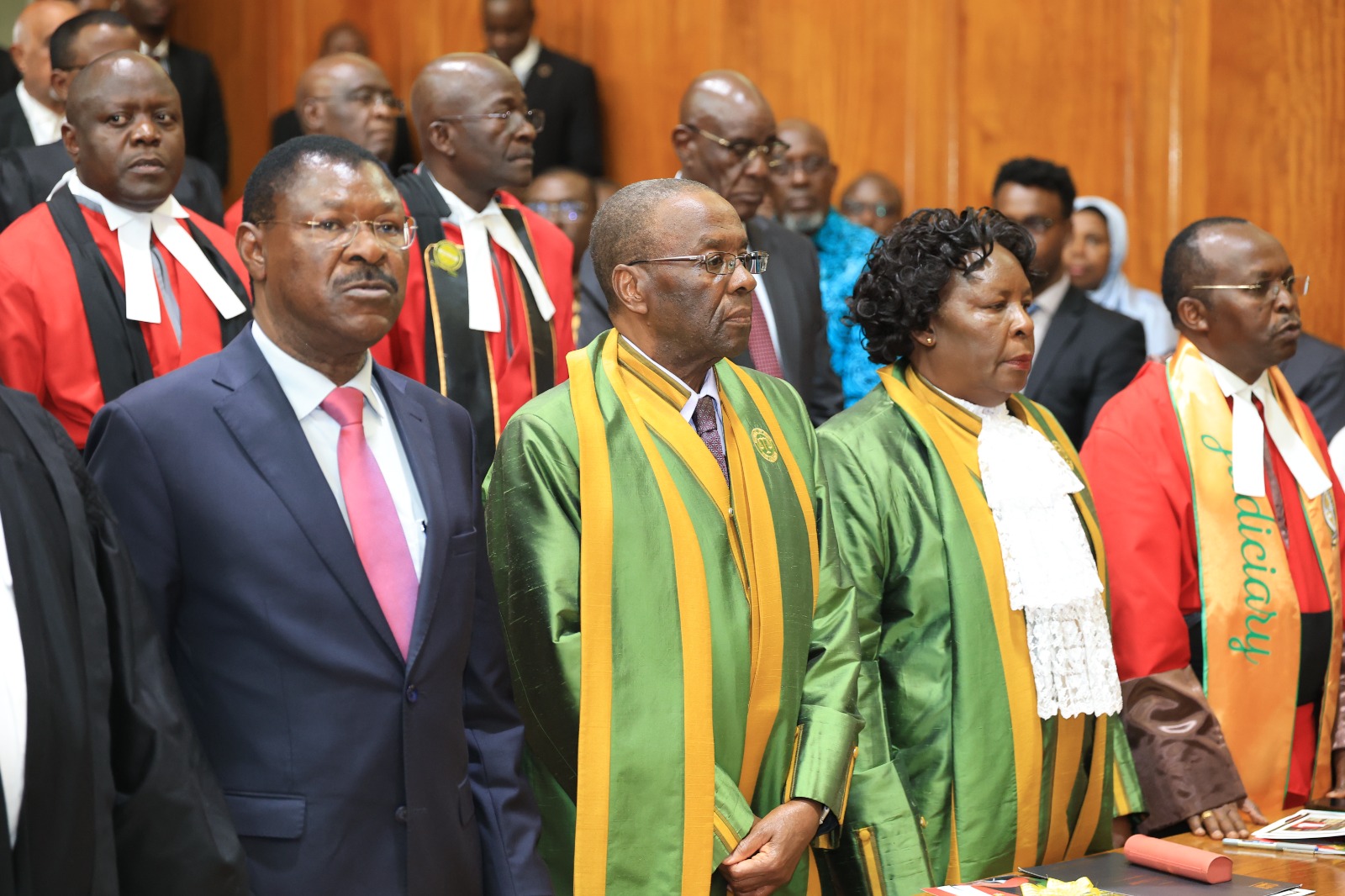 The ceremony was attended by a battery of prominent legal minds
Also present were National Assembly Speaker Moses Wetang’ula, senior counsels Philip Murgor and Paul Muite, former Chief Justice Willie Mutunga, former Deputy Chief Justice Nancy Baraza, Registrar of the Judiciary Winfridah Mokaya, and other senior members of the legal fraternity.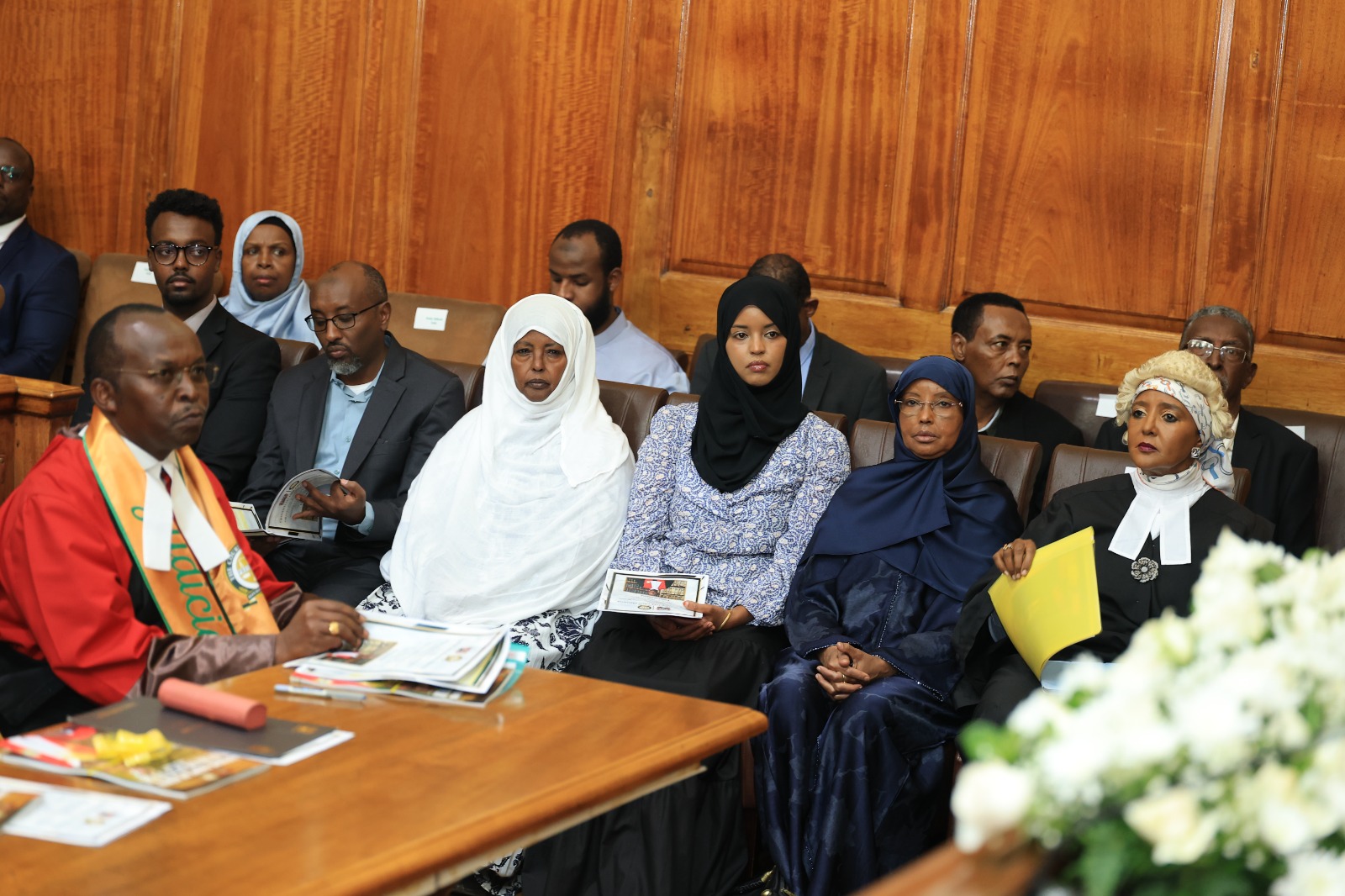 Closing of File Proceedings is a ceremonial event held by the Judiciary as a posthumous final honour for judges
Closing of File Proceedings is a ceremonial event held by the Judiciary as a posthumous final honour for judges, magistrates or lawyers who pass away while still in active service.
It is a solemn judicial tradition, particularly prominent in Commonwealth jurisdictions such as Kenya.
It is considered the highest honour the legal fraternity can offer one of their own who dies while defending the rule of law.
The ceremony functions as a mix of mourning, celebration of judicial excellence and a call for the remaining legal officers to uphold high standards.
While not explicitly mandated by law, it is conducted as a “mock trial” or special court session.
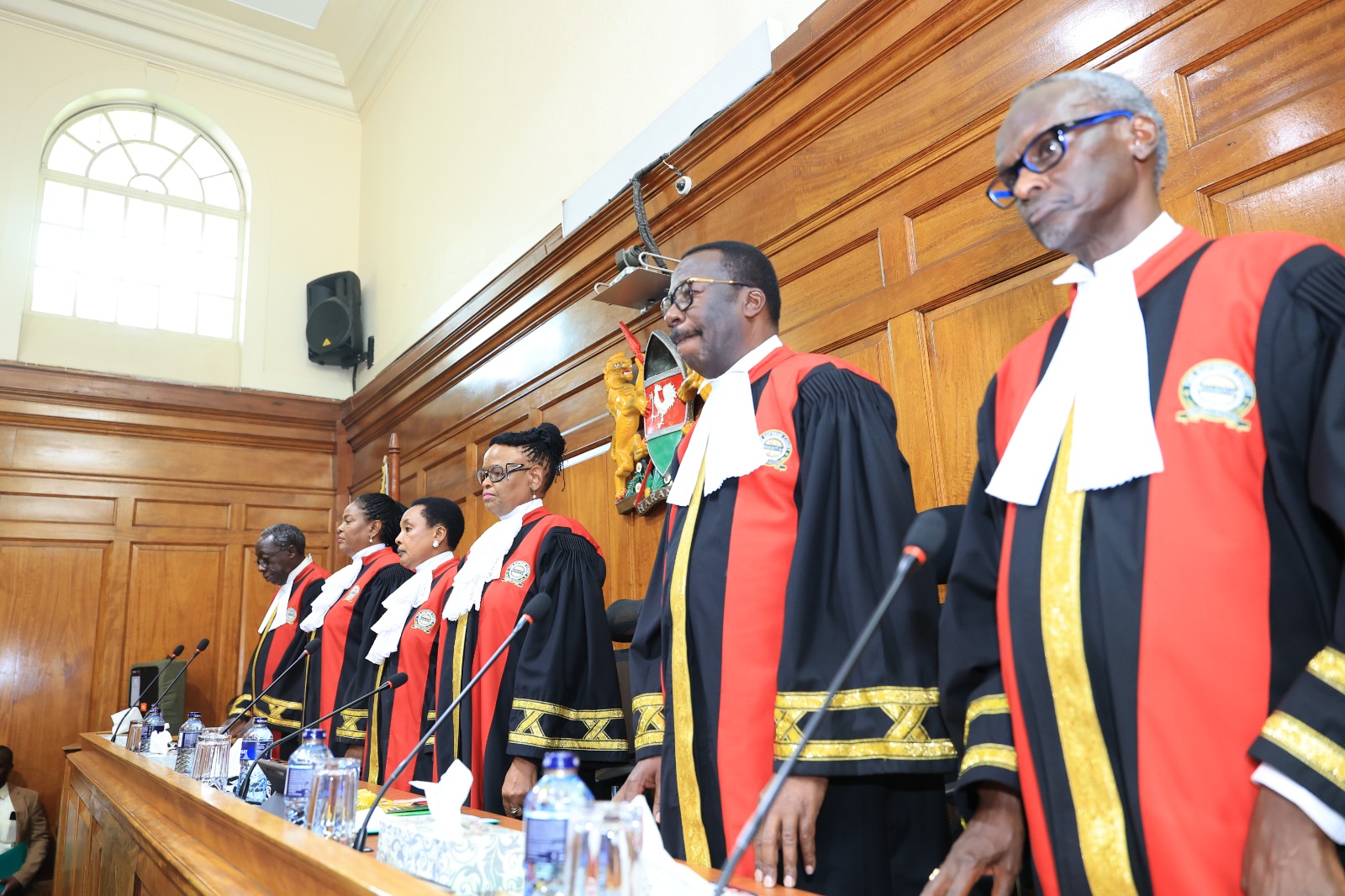 The Chief Justice celebrated Justice Ibrahim as a devoted judicial officer who contributed to justice, constitutionalism and the rule of law by championing the protection of human rights.
It is both symbolic and solemn, marking the official closure of the judge’s work or “file” within the Judiciary and celebrating their contributions to justice and the rule of law.
The process includes submissions from various legal departments—including the State Law Office, the Office of the Director of Public Prosecutions and the Law Society of Kenya—as well as the family of the deceased.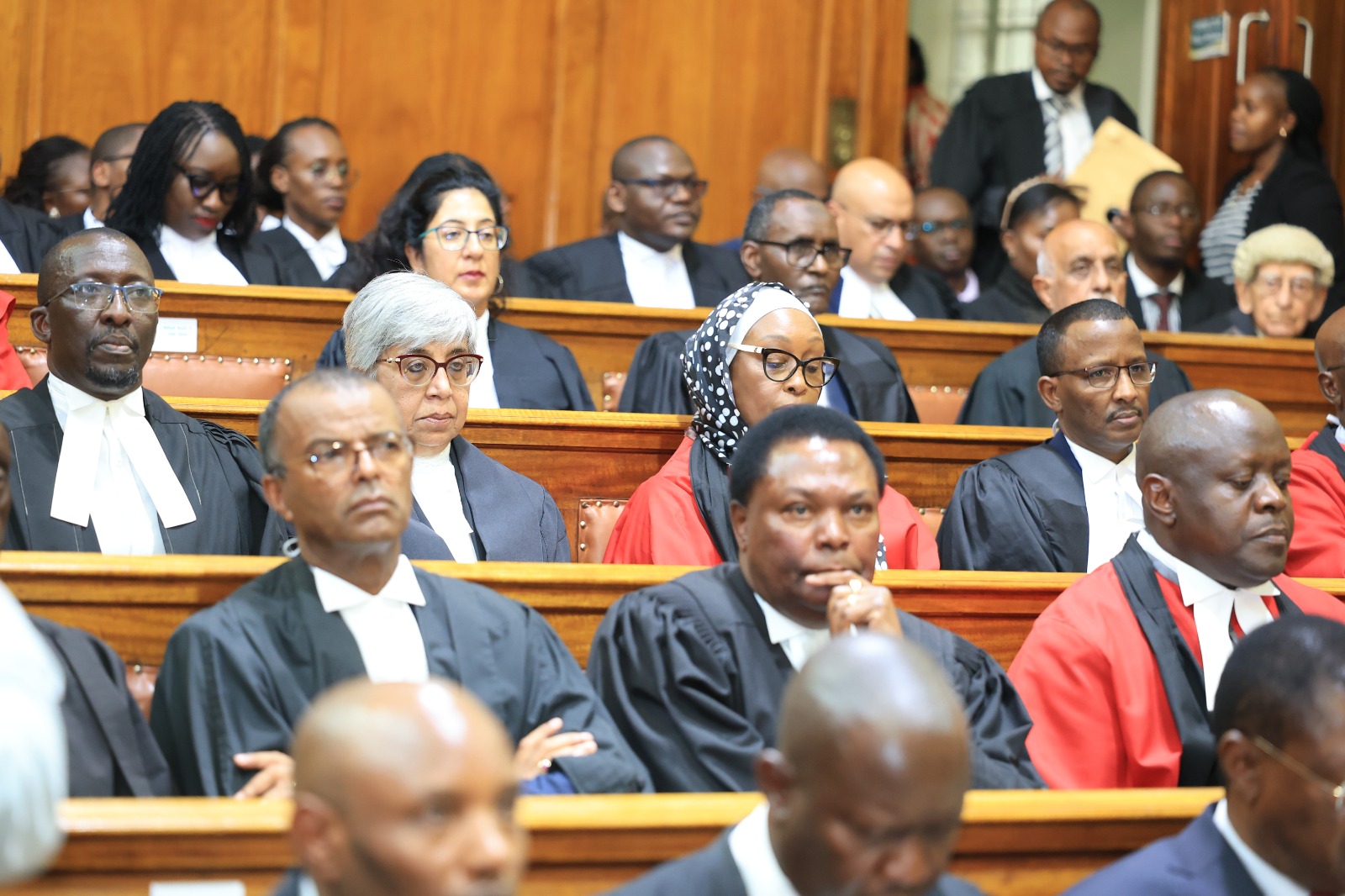 While not explicitly mandated by law, it is conducted as a “mock trial” or special court session.
The session is presided over by a judge or a bench before the file is deemed officially closed.
The ceremony ensures that the individual’s judicial work is formally recognised and that their professional file is metaphorically “closed” as a mark of respect.
It also marks the moment when tribute proceedings are entered into the permanent record of the court, preserving the judge’s contributions to Kenya’s legal history.
Beyond serving as a symbolic closure of the departed judge’s chapter on earth, the ceremony is also a time for reflection and recommitment by the Judiciary and legal professionals.
It reminds members of the legal fraternity that legal service is a sacred duty.
The ceremony further serves as a reminder to judicial officers that they are “missionaries in the temple of justice,” emphasising integrity and commitment to the rule of law.