 Harambee Starlets/ HANDOUT
Kenyan football has long been plagued by a recurring problem: stepping onto the continental stage without proper preparation.
For too long, national teams—men, women, and youth alike—have arrived late, trained sparingly, and faced seasoned opponents fully ready to exploit every weakness.
The outcome is all too familiar: hopeful squads crumble under continental pressure, leaving supporters angry and players demoralised.
A stark reminder came just months ago at the 2025 CAF African Schools Football Championship (CECAFA Zone) in Uganda. Both the Kenya U15 boys and girls’ teams exited in the group stages, undone not by talent but by mismanagement.
The boys endured a punishing 13-hour road trip and were forced to play their opening match against hosts Uganda just hours after arrival. The result was a humiliating 0–7 defeat. They recovered slightly with a 3–0 win over Djibouti, sandwiched by a narrow 1–2 loss to Burundi.
The Emerging Starlets faced similar obstacles, finishing third in their group. They opened with a 0–0 draw against Rwanda, lost 0–2 to Burundi, and drew 1–1 with Uganda. Both squads were briefly stranded after the tournament, highlighting the logistical chaos that continues to plague youth football in Kenya.
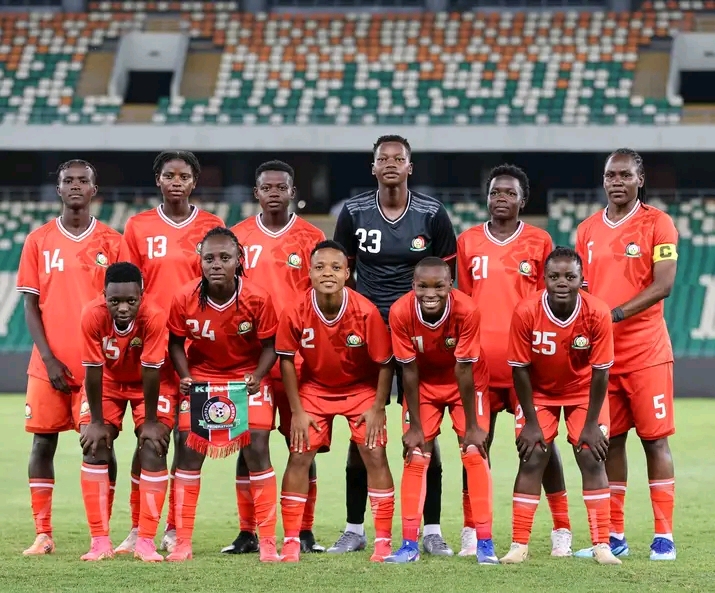
Contrast that with the Harambee Starlets’ preparations for the 2026 Women’s Africa Cup of Nations (WAFCON), and the difference is stark. After a successful West African tour, the Starlets are heading to a high-performance residential training camp in Miramas, France, running until March 15.
The friendlies in Abidjan against Benin (0–2) and the Ivory Coast (0–1) may have ended in defeats, but the value lay in exposure. Coach Beldine Odemba has used the matches to highlight weaknesses—from mental concentration to clinical finishing—so that they can be corrected before the tournament begins.
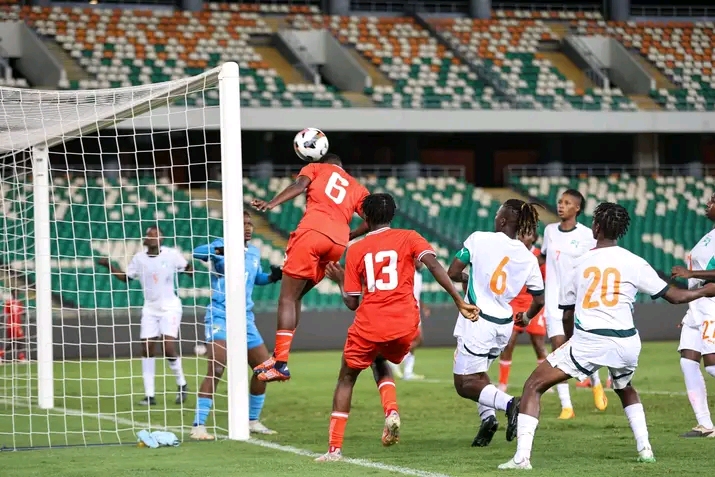 Harambee Starlets players fend off an attack from Coote d' Ivoire during their international friendly/HARAMBEE STARLETS
 International friendlies and structured training camps are not luxuries; they are essential. Teams can't replicate the intensity, pace, and tactical discipline of continental opponents in local training sessions.
The Starlets’ approach—combining competitive matches abroad with focused, uninterrupted training—gives them the best chance of competing effectively when they face Morocco, Senegal, and Algeria in Group A.
Kenya returns to WAFCON after a ten-year absence, and the Starlets are entering the tournament with purpose and preparation.
The lesson is clear: planning matters. Talent alone will not win tournaments. The experiences of the youth teams in Uganda underline a systemic problem: poor logistics, late travel, rushed training, and inadequate support. These issues compromise performance and stunt player development.
Government, Football Kenya Federation (FKF), and other sporting stakeholders must ensure every national team—senior, women’s, or youth—receives professional support, from pre-tournament camps to proper travel arrangements.
Harambee Starlets have set the standards. Their professionalism shows that Kenyan football can compete on the continental stage if teams are prepared, organised, and given the resources they need.
Whether or not they win WAFCON, their approach sends a message: preparation is not optional—it is the foundation of success.
For too long, national squads have been at the mercy of ad hoc arrangements and last-minute travel. That era must end.
If Kenyan football is to rise consistently, preparation must be institutionalised across all levels. The Starlets have led the way. Now the rest of Kenyan football must follow.