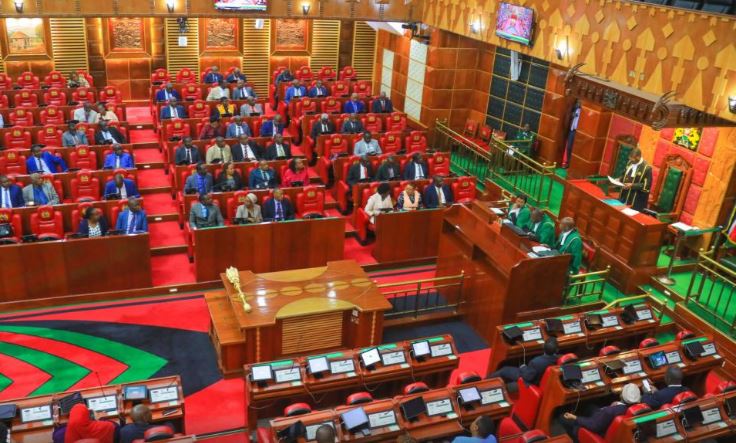
The Senate has introduced a new legislative framework aimed
at ensuring communities living near mining operations directly benefit from the
exploitation of mineral resources.
The Mining (Amendment) Bill, 2025, tabled in Parliament last week, seeks to amend the existing Mining Act by providing clear guidelines on the distribution and utilisation of mineral royalties.
Read Also
According to the proposed law, the government would transfer royalties to the county revenue fund within 21 days of receipt.
This is intended to fast-track the flow of funds to counties and local communities, ensuring that benefits from mining activities are felt more quickly at the grassroots.
In the Bill sponsored by nominated Senator Karen Nyamu, a specific portion of the royalties will be earmarked for projects identified by community project identification committees.
These committees, composed of representatives from the affected communities, will have the authority to decide which local projects should receive funding.
The county executive committee member responsible for finance will then ensure the funds are used exclusively for the projects approved by these committees.
This measure is aimed at preventing mismanagement or diversion of resources, a concern that has plagued development initiatives in some mining areas.
The Bill further requires the Commission on Revenue Allocation to determine the share of funds due to each county in cases where a community spans more than one administrative area.
The Bill also introduces obligations for mining companies at the point of licensing.
Upon granting or renewing a mining licence under existing sections 103 and 115 of the Mining Act, authorities will notify the relevant communities about the expected royalties.
This ensures stakeholders are aware of potential benefits and can hold both county governments and mining companies accountable.
Senators emphasised the move aligns with Kenya’s broader goal of equitable resource management.
“The country’s mineral wealth should serve as a catalyst for local development, not just national revenue,” Senator Veronica Maina, who has been vocal about resource-based community empowerment, said.
If enacted, the amendment could transform the socio-economic landscape of mining areas.
Funds could be channelled to community projects such as schools, health facilities, water infrastructure and roads, directly improving the living standards of residents.
Observers, however, caution that effective implementation will require strong oversight to prevent misallocation or bureaucratic delays.
INSTANT ANALYSIS
The Mining (Amendment) Bill, 2025 seeks to ensure communities near mining operations benefit directly from mineral royalties. It mandates the Cabinet Secretary to transfer funds to county revenue accounts within 21 days, with allocations for community projects overseen by local project committees. The Commission on Revenue Allocation determines shares for communities spanning multiple counties. Mining licensees must notify affected communities upon the grant or renewal of licences, enhancing transparency. The Bill aims to empower local populations, improve project accountability and link resource exploitation to socio-economic development. Successful implementation could transform mining areas into hubs of local growth.