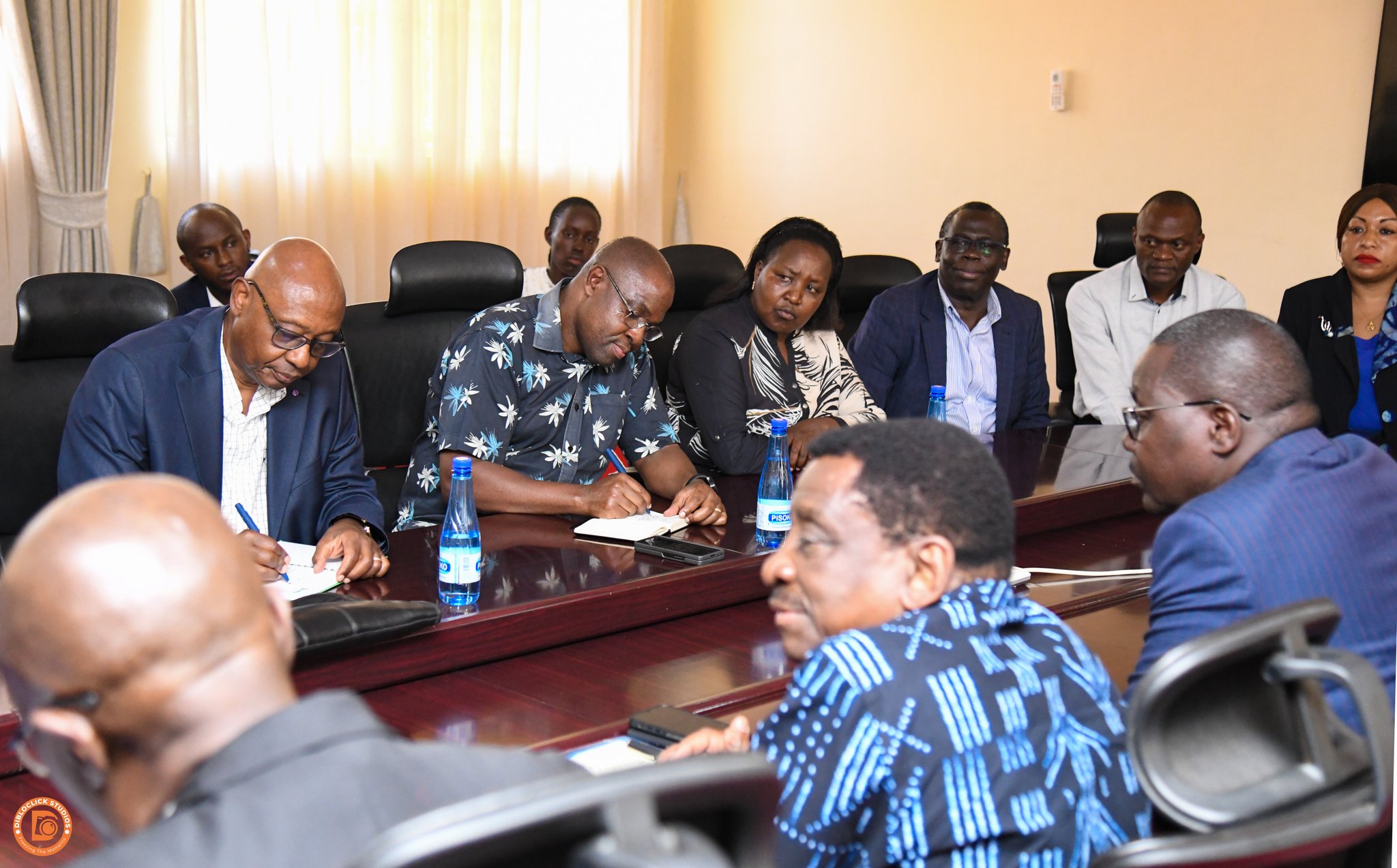
The Sh500 billion ($3.8 billion) project moved a step closer to reality following a high-level consultative meeting between officials from the Nuclear Power and Energy Agency (NuPEA), Kenya Electricity Generating Company (KenGen) and the Siaya County Government on Monday.
The meeting, held in Siaya, brought together senior officials tasked with implementing Kenya’s nuclear power programme as the country prepares to transition from planning to the construction phase of the project.
Leading the national delegation were NuPEA chairman Lawrence Gumbe and chief executive Justus Wabuyabo. They were accompanied by representatives from KenGen led by chief executive Peter Njenga, alongside other senior technical officials. Also present was NuPEA official Anne Michura.
The project is set to mark Kenya’s entry into nuclear power generation and position Siaya County as the centre of the country’s nuclear energy programme.
NuPEA Chief Executive Officer Justus Wabuyabo said the engagement with the county government was a key milestone as the country moves from planning to implementation of the nuclear project.
“This consultative meeting is an important step as we prepare for Kenya’s first nuclear power plant. We are working closely with the county leadership and other stakeholders to ensure that all technical, regulatory, and community engagement processes are aligned before the groundbreaking,” said Wabuyabo.
He noted that the agency will continue coordinating the nuclear power programme to ensure it meets international safety and operational standards.
NuPEA will serve as the Nuclear Programme Implementing Organisation, overseeing the development of the project while ensuring compliance with guidelines set by the International Atomic Energy Agency.
During the discussions, KenGen was formally introduced to the county leadership as the designated owner and operator of the nuclear facility following its appointment by the national government.
The company will be responsible for constructing, operating and maintaining the power plant once completed.
NuPEA will continue coordinating the nuclear programme as the Nuclear Programme Implementing Organization, overseeing the development process and ensuring compliance with international safety and regulatory standards set by the International Atomic Energy Agency.
Once operational, the nuclear plant is expected to generate about 2,000 megawatts of electricity in its initial phase, significantly increasing the country’s power generation capacity and helping stabilize supply across the national grid.
Siaya Governor James Orengo welcomed the project, describing it as a transformative investment that could significantly boost the county’s economic prospects.
“We were delighted to host a delegation led by the chairman of the Nuclear Power and Energy Agency and the CEO of KenGen for follow-up meetings ahead of the groundbreaking of a Sh500 billion nuclear power plant scheduled for March 1, 2027,” said Orengo.
He said the project would not only strengthen Kenya’s energy security but also create significant employment opportunities for local residents.
According to the county government, the construction phase alone is expected to create approximately 10,000 jobs across various sectors including engineering, construction and logistics.
Once operational, the facility is projected to generate about 1,200 long-term jobs requiring specialized skills in nuclear engineering, plant operations, and maintenance.
“The project will deliver clean, affordable energy, help eliminate power outages and equip our youth with specialized skills required in the energy sector,” Orengo added.
As part of the preparations, the Siaya County Government has committed to providing land for the establishment of a project office to coordinate activities related to the nuclear programme.
The county will also support stakeholder engagement and public participation initiatives aimed at informing and preparing local communities about the project and its expected benefits.
Officials say the consultations mark a key transition in Kenya’s long-term nuclear energy strategy, which has been under development for more than a decade.
Kenya’s current electricity generation relies largely on geothermal, hydroelectric, wind and thermal sources. However, with demand for electricity rising due to industrial expansion and population growth, the government has been exploring additional reliable energy sources.
Nuclear power is expected to provide stable baseload electricity capable of supporting large-scale industrial development while complementing the country’s growing renewable energy sector.
Technical teams are now expected to begin detailed preparatory work ahead of the groundbreaking ceremony, including infrastructure planning, regulatory approvals and environmental assessments.
If successfully completed, the Siaya project will mark Kenya’s entry into the league of countries generating electricity from nuclear power, opening a new chapter in the country’s pursuit of sustainable and reliable energy.