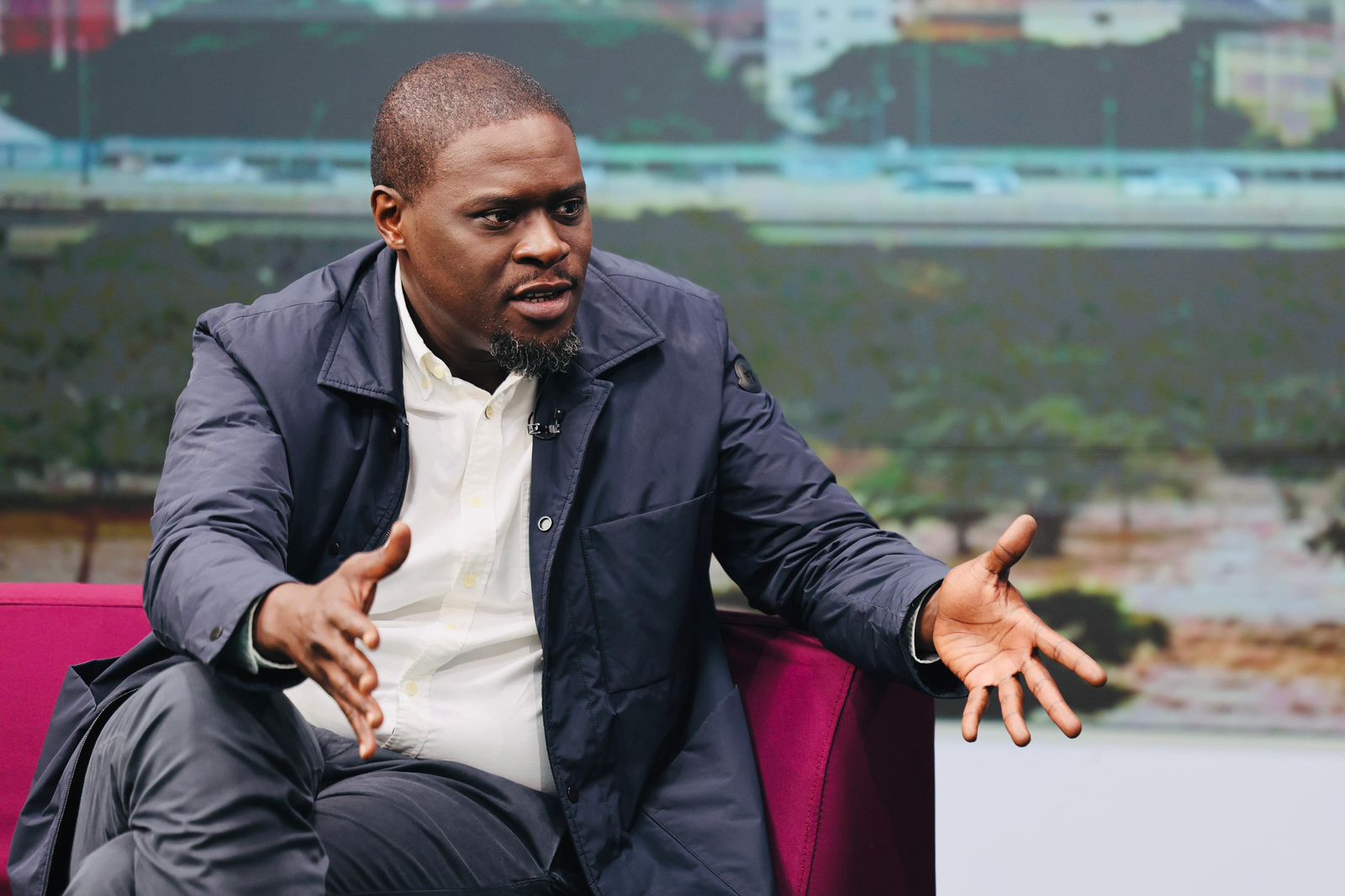
 Nairobi Governor Johnson Sakaja speaks during an interview on March 8, 2026. /HANDOUT
Nairobi Governor Johnson Sakaja has called for unity and collective action in responding to the devastating floods affecting parts of the country, warning leaders against politicising the unfolding tragedy.
Speaking during a TV interview on Sunday night amid growing concern over the rising death toll and widespread destruction caused by the floods, Sakaja described the situation as a national disaster, noting that many lives have been lost outside the capital.
“This is a national disaster. Nearly half of the deaths have occurred in other parts of the country as well, and those lives matter too,” Sakaja said.
He criticised what he termed attempts by some leaders to use the disaster for political mileage, saying the focus should instead be on supporting affected families and preventing further loss of life.
“It is a shame that some leaders in this city are finger-pointing and leveraging this tragedy for political gain. We should stop politicising natural calamities and instead focus on a collective response to support those affected in Nairobi and across the country,” he said.
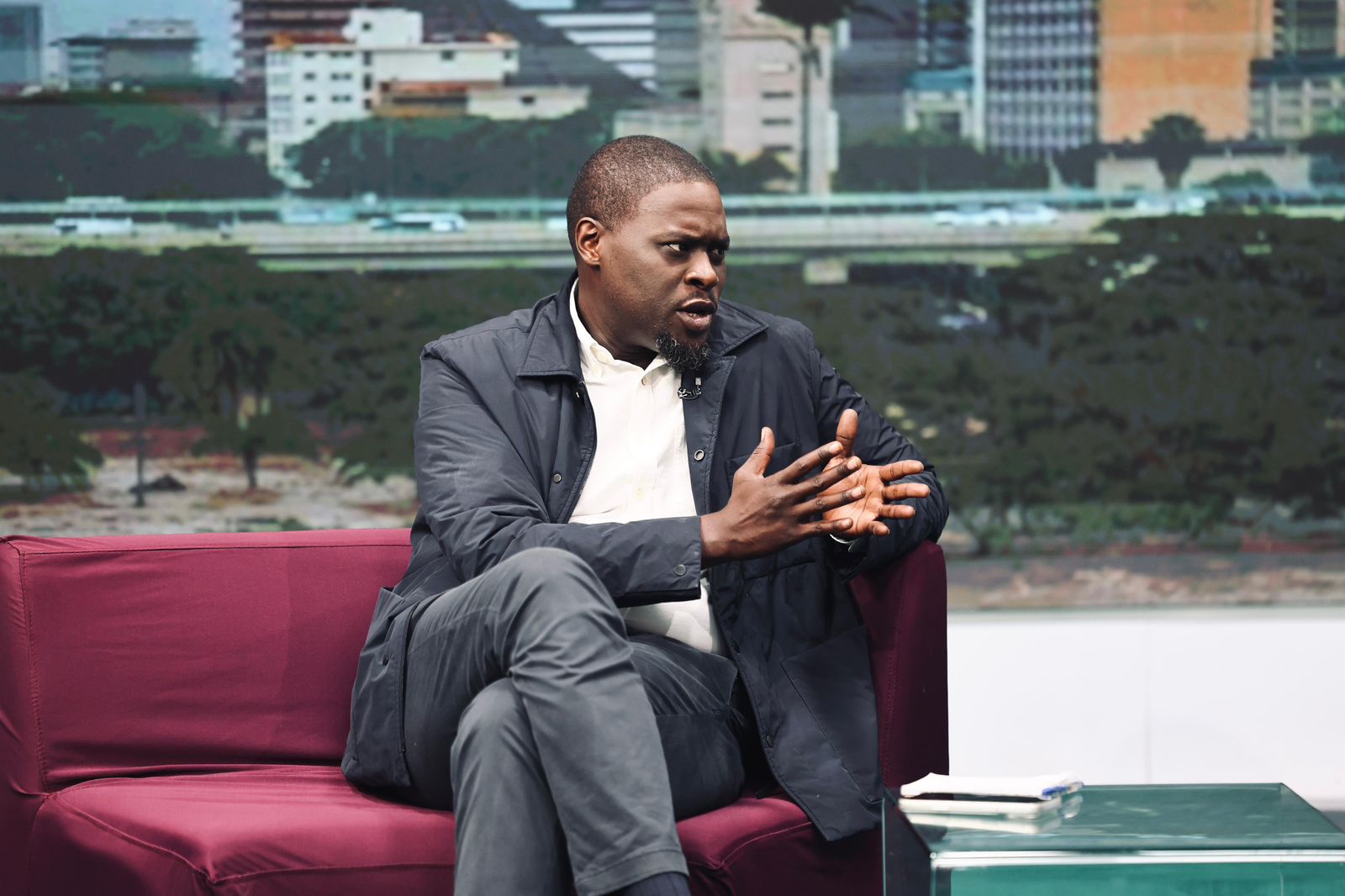 Nairobi Governor Johnson Sakaja speaks during an interview on March 8, 2026./HANDOUT
“Leadership is about providing solutions, not playing politics. Sometimes those solutions require painful decisions to save lives. If we had not relocated people from the Nairobi River, the number of lives lost during the floods would have been much higher,” he said.
The governor also reiterated that addressing Nairobi’s persistent flooding will require massive investment in drainage infrastructure, revealing that a full overhaul of the city’s drainage system could cost about Sh25 billion.
He said the county government is working closely with the national government to mobilise the resources needed to tackle the long-standing problem.
“Overhauling the city’s drainage system will cost about Sh25 billion, which is why cooperation with the national government is necessary. Correcting decades of planning mistakes will require tough decisions,” Sakaja added.
He urged leaders and residents alike to prioritise saving lives and supporting flood victims rather than engaging in political blame games, emphasising that the long-term solution lies in coordinated action and improved urban planning.