The first time someone called me “thick” in Nairobi, it wasn’t a compliment. It was said the way you say “traffic on Thika Road” — resigned, mildly irritated and implying that something had gone wrong somewhere.
I remember standing in a cramped bus during the evening rush hour, my stomach uncomfortably pressed against a stranger’s backpack, thinking, ‘So this is it. This is the body I have to explain.’
I didn’t grow up hating my body. That came later, carefully taught. It arrived through aunties who pinched my waist at family gatherings like they were testing fruit for ripeness. Through high school PE teachers who praised the ‘lean girls’ for endurance, while suggesting I try netball instead of running.
Through Instagram Explore pages that somehow knew exactly how to show me a thousand versions of the same slim-waisted, flat-stomached, soft-glam Kenyan influencer, all posed against the same beige wall.
For a long time, I was skeptical of the whole body positivity thing. It felt like a Western export, a hashtag with American accents that didn’t quite fit our realities.
In Kenya, bodies are read like CVs. Thinness can signal class, access, self-control. Curves are praised — but only the right ones, in the right places, with the right clothes. Anything outside that narrow lane becomes “you have such a pretty face” territory.
Gen Zs in Kenya are caught right in the middle of this contradiction. We are the most online generation the country has ever had, fluent in TikTok trends and Instagram aesthetics, but also deeply embedded in communities where bodies are public property. Your grandmother, your barber and a random mama mboga all feel entitled to comment. Loudly.
I felt it most intensely in university. There was a season when going to the gym felt less about health and more like a public apology. I didn’t want to be strong; I wanted to be forgiven. Forgiven for taking up space. Forgiven for thighs that touched. Forgiven for existing without explanation.
The mirrors at the gym were brutal. So were the whispered conversations about “summer bodies”, even though Nairobi doesn’t really do seasons like that.
Social media didn’t help. Filters smoothed, cinched, lifted. Suddenly everyone had the same face, the same waist, the same life. It’s not accidental. Globally, research has shown that heavy social media use is linked to body dissatisfaction, especially among young people. Kenya isn’t immune. Our timelines may be local, but the pressure is global.
Still, something interesting has been happening. Slowly. Messily. Loudly.
Body positivity among Kenyan Gen Zs doesn’t look like glossy magazine spreads. It looks like a plus-size thrift haul filmed in a bedsitter in Rongai. It looks like a TikTok of someone dancing badly on purpose, daring you to look away. It looks like unfiltered selfies captioned, “This is me. Be calm.”
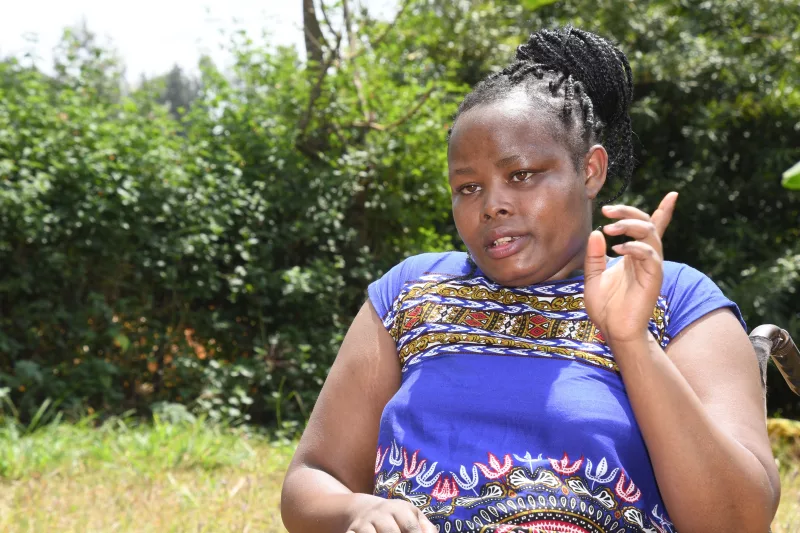
A friend of mine, Janet Mukami, 25, once told me, “I post my body the way it is because I’m tired of pretending I’m an aesthetic picture.” That line stuck with me. It captures the exhaustion underneath the movement. The refusal to keep waiting for some imaginary future body to start living.
But not everyone is convinced. Another Gen Z I spoke to, Joseph Wafula, 27, rolled his eyes when the topic came up. “Sometimes body positivity feels like we’re lying to ourselves,” he said. “Health matters. We shouldn’t pretend everything is fine just to feel good online.”
It’s a fair point, and one that deserves space. The conversation becomes dangerous when body positivity is framed as anti-health or anti-accountability.
The truth — and this is where I land — is that body positivity was never about denying reality. It was about expanding it. About acknowledging that health is not visible at a glance, that worth is not measured in centimetres, and that shame has never motivated anyone into lasting wellness.
My own shift didn’t come from a viral post or a sudden burst of self-love. It came from small rebellions. Wearing a sleeveless top to Java House and surviving the stares. Posting a photo without sucking in my stomach and watching the world not end. Realising that the people who loved me weren’t waiting for me to shrink.
Broader social forces are at play here. Kenya’s Gen Zs are questioning authority across the board, from politics to gender roles to mental health. Body norms are part of that interrogation. When young people challenge narrow beauty standards, they’re also challenging who gets visibility, who gets to be desirable, who gets to be heard.
And yes, there’s irony. The same platforms that harm us are the ones we use to heal. But that’s the reality we’re navigating. We’re learning in public. Sometimes clumsily.
I still have days when I flinch at mirrors and bargaining thoughts creep in: maybe if I just lost a little weight. But now I recognise that voice for what it is — not truth, but conditioning. Passed down. Repackaged. Monetised.
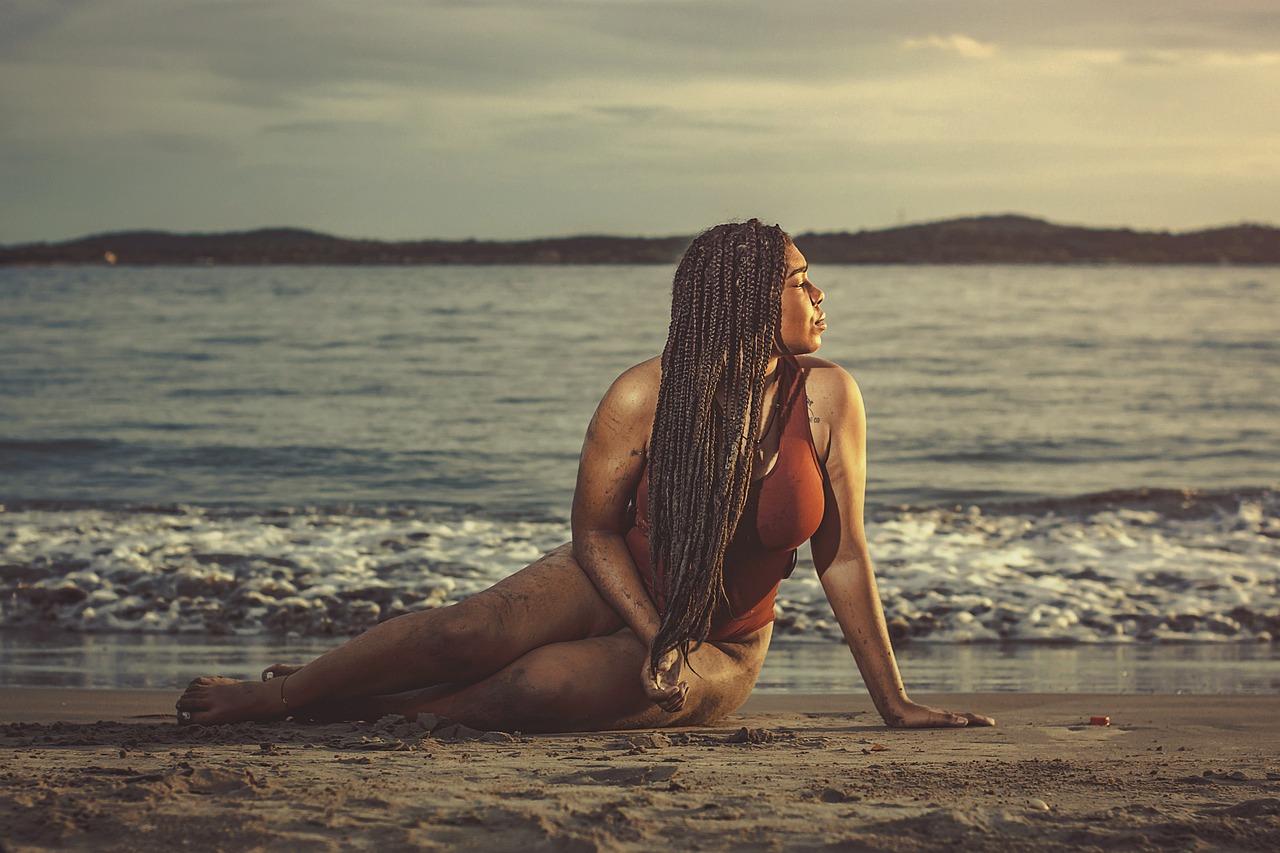
Body positivity, Kenyan Gen Z style, isn’t about pretending we don’t live in a judgmental society. It’s about choosing, again and again, not to let that society have the final say. It’s about looking at your body — whether it’s thin, thick, disabled, scarred, changing — and deciding it’s not a problem to be solved.
In a country where so much is uncertain, that decision alone feels quietly radical.