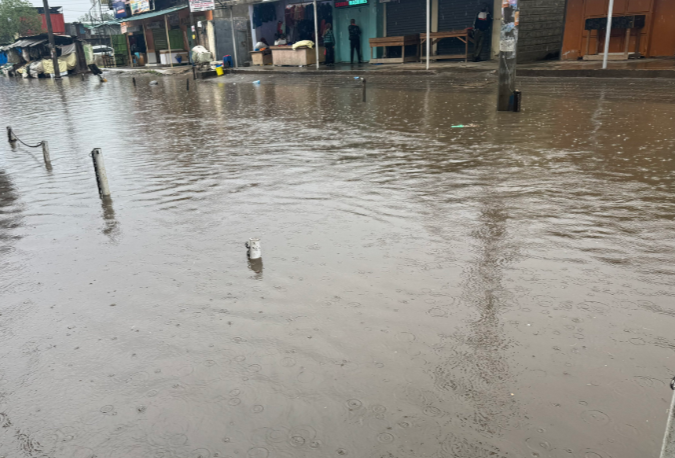
At least 11 people have been confirmed dead in Nairobi following floods that struck the city on Friday evening.
An unknown number of people remain unaccounted for even as rescuers moved to various locations in their mission to recover more bodies, officials said.
More than 100 cars were damaged in the flooding, police said, adding that the most affected areas were South C and downtown Nairobi’s Kirinyaga and River roads. Officials said they expect the toll to rise.
Police said that by midday, six bodies had been recovered in Central Nairobi, with River Road accounting for four, while one body each was recovered in Gikomba and Uhuru Park.
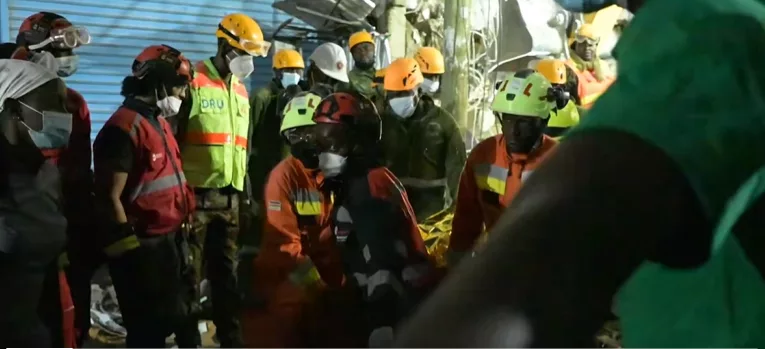
A search and rescue mission continued, with the military joining the operation.
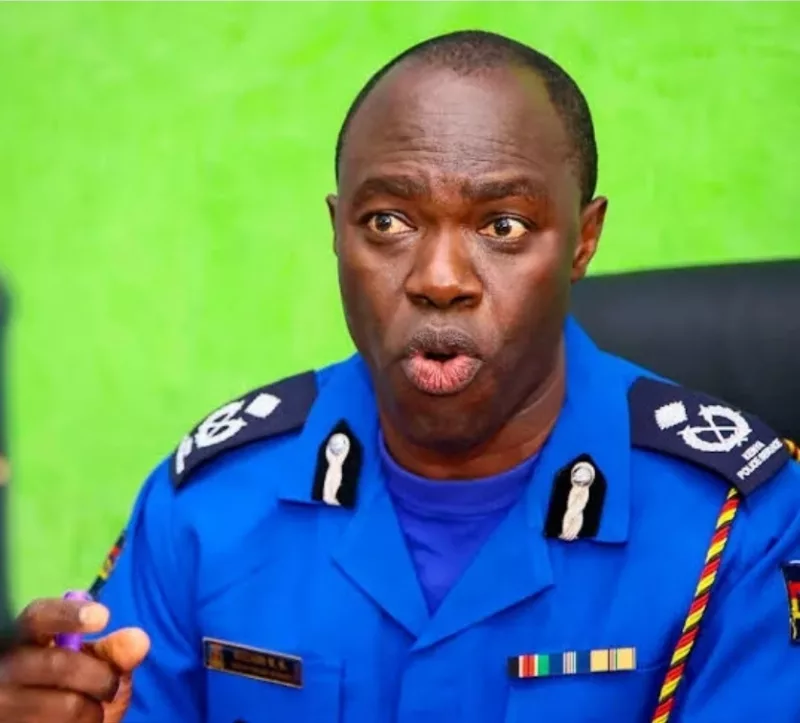
Nairobi Police Commander George Seda said eight of the victims were swept away by fast-rising floodwaters. Of these, two were electrocuted. Some died while inside vehicles that were carried away by the raging currents.
Seda added that two other victims died in separate electrocution incidents during the floods in different parts of the county.
Two other deaths were reported in the Parklands area, while three bodies were recovered in Lang’ata. Witnesses said two people were missing in the Lang’ata area.
Seda warned that the death toll could rise as search and rescue operations continue in several areas severely affected by the floods.
Nairobi residents woke up to flooded neighbourhoods, stranded motorists and widespread disruption on Saturday morning after the heavy downpour left several parts of the city submerged and major roads impassable.
According to the Secretary General of the Kenya Red Cross Society, Ahmed Idris, multiple residential estates and informal settlements were severely affected as floodwaters surged through low-lying areas and along river corridors.
Among the hardest-hit areas were Pipeline and Embakasi, where sections of Kware Road were completely cut off by floodwaters.
Other affected neighbourhoods include Mukuru Kwa Njenga, Reuben, Viwandani, Kibra, Mathare, Huruma, Baba Dogo and Bosnia.
Flooding was also reported in South B and South C, Nairobi West and Lang’ata, as well as Umoja 3, Chokaa, Njiru, Ruai and Utawala. In northern and western parts of the city, Roysambu along Kamiti Road, Kahawa West, Githurai, Loresho and sections of Westlands also experienced rising waters.
Major highways and urban roads were heavily disrupted, with some rendered impassable through the night.
Police said traffic snarl-ups stretched into the early hours of Saturday as motorists struggled to navigate flooded sections.
The most affected transport corridors included roads within the central business district and surrounding feeder routes such as Museum Hill, Uhuru Park and Uhuru Highway, as well as Mbagathi Way.
Floodwaters also disrupted traffic along Mombasa Road near South C, Bellevue, the Jomo Kenyatta International Airport exit and Kyumbi junction.
Emergency response teams, including the military, were deployed overnight to assist stranded residents and restore mobility in affected areas.
The Kenya Red Cross Society said its first responders rescued at least 20 people who had been stranded along Kirinyaga Road after floodwaters overwhelmed parts of the area.
A military Rapid Response Unit was also mobilised to support emergency operations in the city.
The unit conducted traffic control operations and facilitated the towing of five vehicles that had stalled at the Kariokor–Ring Road roundabout due to the swollen Nairobi River, helping restore traffic flow.
Additional traffic management was set up at the Mbagathi Roundabout, which had also been affected by flooding.
The Kenya Meteorological Department has warned that intense rainfall is expected to continue in most parts of the country, increasing the risk of flooding, swollen rivers and transport disruption.
Public Service, Human Capital Development and Special Programmes Cabinet Secretary Geoffrey Ruku announced that an emergency coordination meeting was held on Saturday morning, bringing together key national disaster response agencies.
The meeting involved the State Department for Special Programmes, the National Police Service, the National Youth Service, St John Ambulance Kenya, as well as the National Disaster Management Unit, the National Disaster Operations Centre and the National Drought Management Authority.
Authorities said the meeting will focus on accelerating response measures and strengthening coordination among emergency agencies as the country braces for continued rainfall.