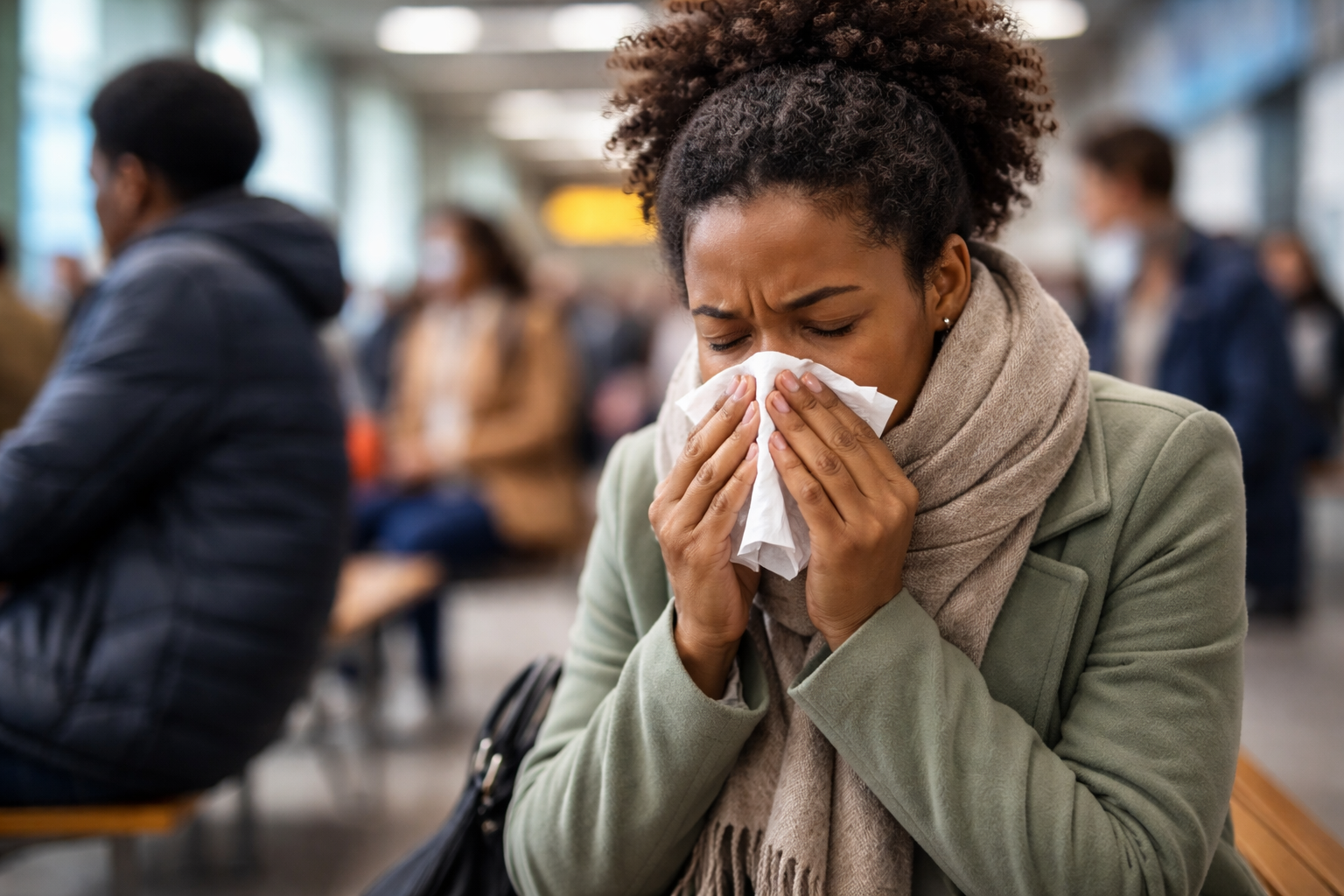
 Common symptoms of influenza include sudden onset of fever, dry cough, sore throat, headache and a runny or blocked nose. /AI
The government has stepped up disease surveillance and preparedness measures following a spike in influenza cases across several parts of the country.
In a public health advisory issued on March 5, the Ministry of Health said it has observed increased influenza activity based on current risk assessments and surveillance data.
Director General of Health Patrick Amoth said the rise in cases aligns with the country’s established seasonal patterns and that authorities are closely monitoring the situation.
“The Ministry of Health, through the Kenya National Public Health Institute and in collaboration with county governments, continues to monitor respiratory illnesses circulating within the country and across the region,” Amoth said.
Influenza, commonly known as flu, is a viral respiratory infection that spreads easily between people through droplets released when an infected person coughs, sneezes or talks, as well as through contact with contaminated surfaces.
According to Amoth, Kenya is currently experiencing an increase in influenza cases in several regions, a trend that typically occurs twice a year.
“Kenya is currently experiencing an increase in influenza cases in several regions of the country. This increase is consistent with Kenya’s known seasonal influenza patterns, which typically occur between late February and May, and again between July and October each year,” he said.
Surveillance data from the National Influenza Surveillance System indicate higher-than-average respiratory illness activity, although most infections remain mild.
“Most individuals affected are experiencing mild to moderate illness and recover well with supportive care,” Amoth said.
To manage the situation, the ministry has strengthened surveillance and laboratory testing systems while also directing health facilities across the country to enhance preparedness.
Measures include improved case management, triage procedures and infection prevention and control protocols.
Amoth said the ministry is also working closely with county governments and health partners to monitor disease trends and coordinate response efforts.
“The ministry continues to monitor the situation closely through strengthened surveillance and laboratory testing and remains vigilant to ensure timely detection and response to any changes in disease trends,” he said.
Signs and Symptoms
Common symptoms of influenza include sudden onset of fever, dry cough, sore throat, headache and a runny or blocked nose.
Patients may also experience muscle and joint pain as well as general body weakness.
Certain groups face a higher risk of developing severe illness. These include children under five years, older persons, pregnant women and individuals with underlying medical conditions such as diabetes, cancer or weakened immune systems.
Health officials have urged these groups to take extra precautions and seek medical attention early if symptoms worsen.
How Influenza Spreads
Influenza spreads primarily through respiratory droplets produced when infected individuals cough, sneeze or talk.
The virus can also be transmitted through close contact with infected persons.
Another common route of infection occurs when people touch contaminated surfaces and then touch their mouth, nose or eyes.
Health authorities warn that the virus can spread rapidly in crowded settings such as schools, markets, places of worship, prisons and public transport systems where close contact between people is frequent.
How You Can Protect Yourself
The Ministry of Health has advised the public to observe simple preventive measures to reduce transmission.
These include practising regular hand hygiene using soap and water or alcohol-based hand sanitisers, and covering the mouth and nose when coughing or sneezing.
People are also encouraged to avoid close contact with individuals showing flu-like symptoms.
Those experiencing symptoms are advised to wear masks, particularly when in public or around vulnerable persons, and to consider wearing masks in crowded or poorly ventilated areas.
Amoth also urged individuals who feel unwell to stay at home to avoid spreading infection and to seek medical attention promptly if they experience severe symptoms.
“The Ministry reassures the public that the situation is being closely monitored and that appropriate measures are in place to safeguard the health of all Kenyans,” he said, adding that further updates will be provided as more information becomes available.