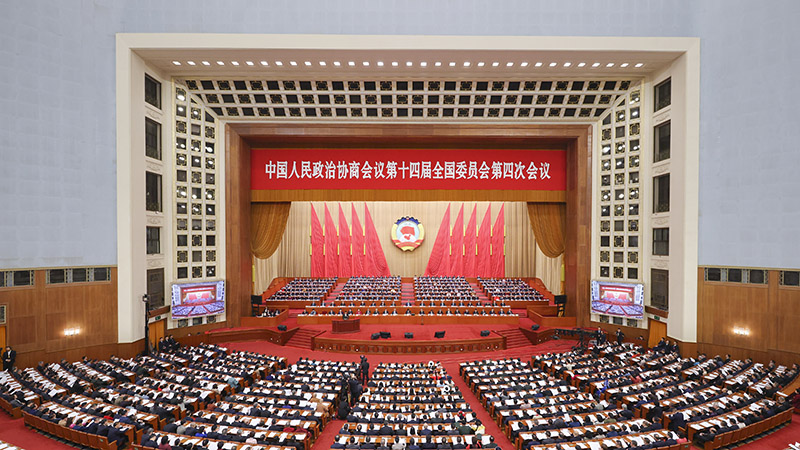
As China convenes its annual sitting of Parliament, known as the “Two Sessions” in Beijing, African policymakers would do well to follow closely.
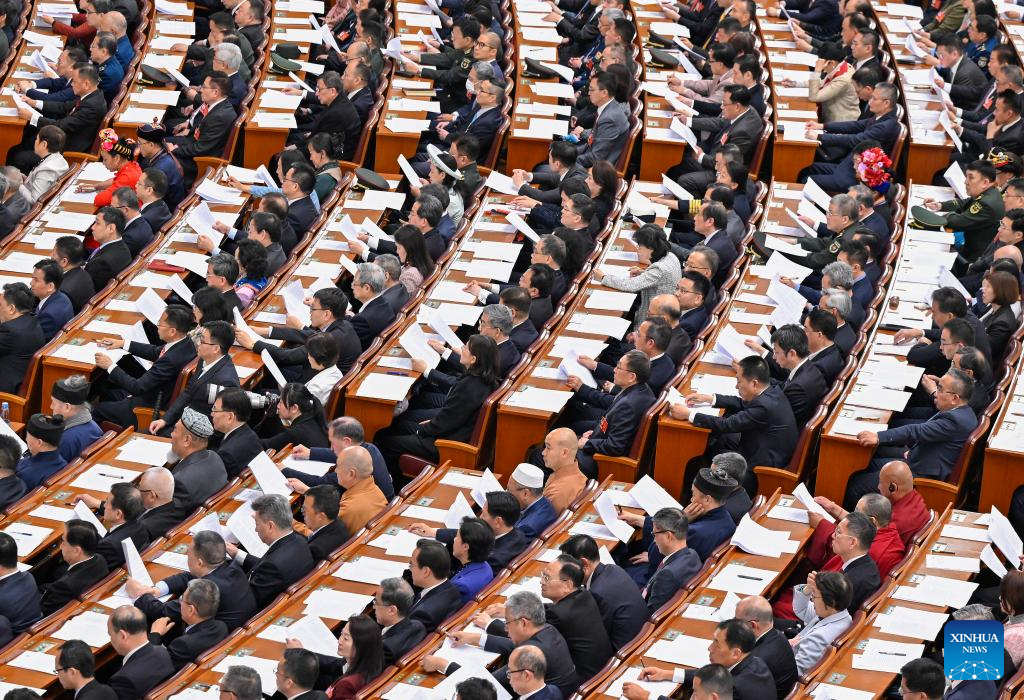
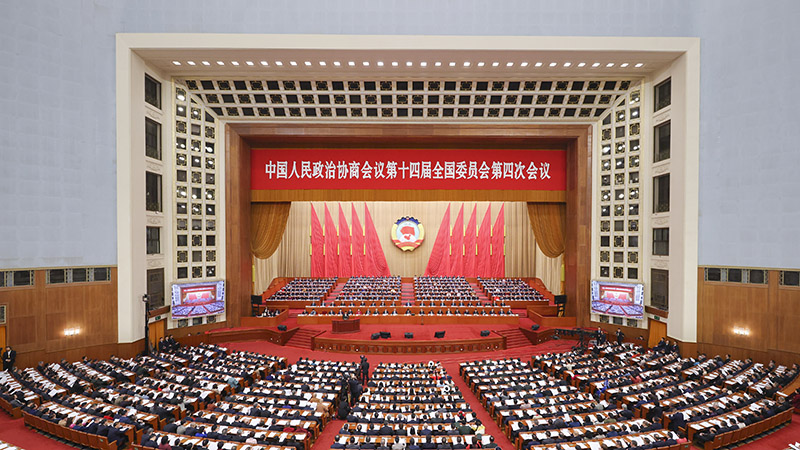
The meetings of the National People's Congress (NPC) and the Chinese People's Political Consultative Conference (CPPCC) are kicking off today for the next seven days.
Chinese parliamentarians sit once a year for a major session that lays ground for the business of the year, and approves a number of legislative pieces.
This year’s gatherings come at a pivotal moment, having coincided with the start of China’s 15th Five-Year Plan (2026–2030).
This is a new planning cycle that will shape the trajectory of the world’s second-largest economy through the end of the decade.
For Africa, and Kenya in particular, what is decided in Beijing does not stay in Beijing, but transcends to the continent’s capitals.
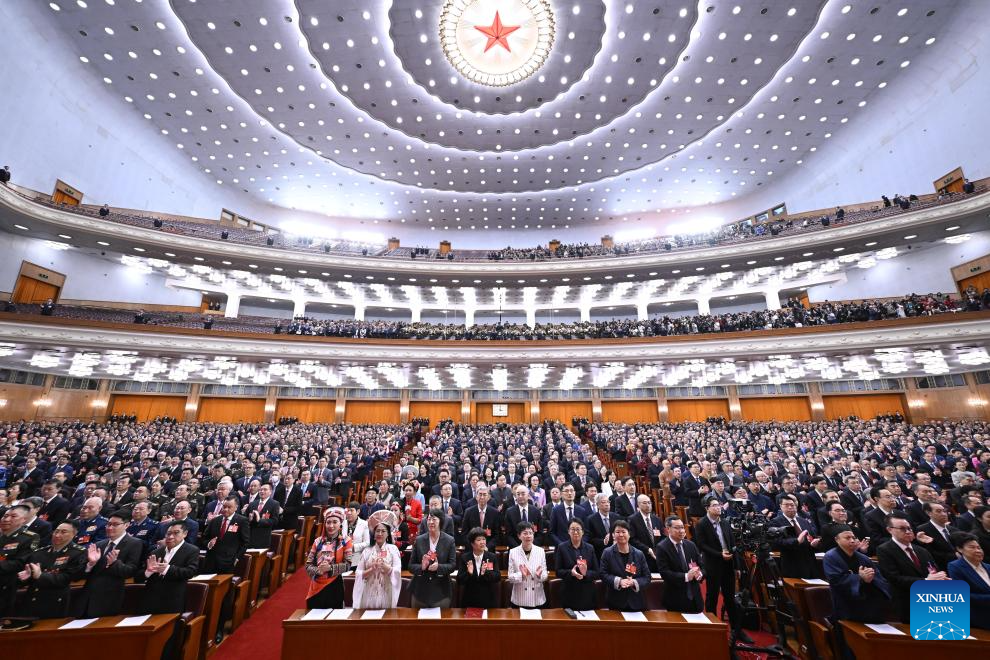
Chinese lawmakers will deliberate on the government’s annual work report, examine the 2026 draft budget and development plan.
They are also expected to review the draft outline of the new five-year blueprint.
The plan will anchor fiscal priorities, industrial transformation, green transition policies and technological ambition through 2030.
For African governments that increasingly count China as their largest trading partner and infrastructure financier, this planning cycle matters.
China enters the 15th Five-Year Plan period after closing the previous cycle with its economy surpassing 140 trillion yuan (about 20 trillion US dollars) in 2025.
Even as trade tensions, geopolitical friction and sluggish world growth seem to complicate the outlook, Beijing is signaling continuity in reform and high-quality development.
For Africa, this signals predictability as five-year plans in China are not mere abstract political documents.
They are operational frameworks that guide spending, industrial priorities and overseas engagement.
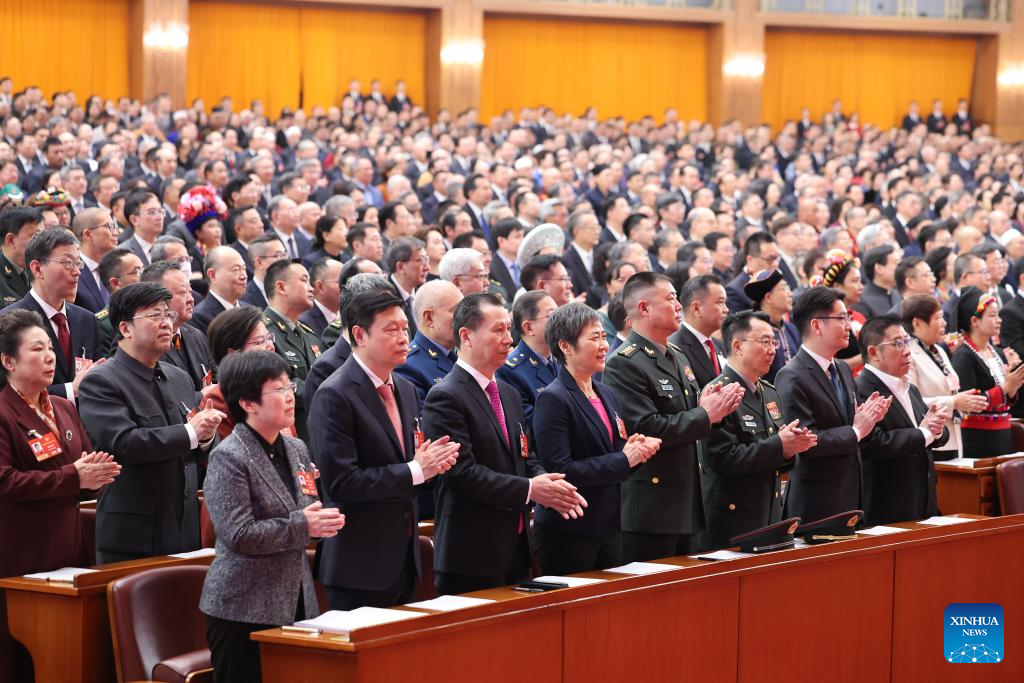
African exporters, mineral producers and energy planners must take note as the new plan emphasises supply-chain resilience, low-carbon transformation and advanced manufacturing.
Kenya, for example, is positioning itself as a regional logistics and manufacturing hub.
According to a brief by Xinhua, China seeks to deepen its push for supply-chain diversification and green energy partnerships.
From this, Nairobi could find new space in value chains linked to electric mobility, renewable energy components and digital services.
One of the most closely watched outcomes of the Two Sessions will be China’s 2026 GDP growth target.
In 2025, Beijing achieved its 5 per cent growth goal, reinforcing its status as a stabilising engine in a fragile global economy.
For African commodity exporters, from oil producers to mineral-rich economies, China’s growth trajectory directly influences demand and prices.
Strong expansion supports export revenues across the continent as demand shifts to technology inputs, critical minerals and green infrastructure components.
Kenya may not be a major raw materials exporter to China, but it benefits indirectly through trade flows, global stability and Chinese investment confidence.
Among the legislative items before the NPC is a draft environmental code. It is aimed at consolidating China’s environmental laws and embedding green development into its legal framework.
China has pledged to peak carbon emissions before 2030, a position Africa should watch closely since China’s green transition has global spillover effects.
As it accelerates renewable energy deployment and low-carbon technologies, costs for solar, wind and battery storage may continue to decline.
Kenya, already a leader in geothermal and renewable energy in Africa, stands to benefit from technology transfer, climate financing and industrial collaboration.
Environmental governance reforms in China also influence standards applied in overseas projects, including those in Africa.
The new five-year blueprint highlights forward-looking sectors namely quantum technology, bio-manufacturing, hydrogen energy, nuclear fusion, brain-computer interfaces, embodied artificial intelligence and 6G communications.
For Africa, the question is positioning. Will African economies remain markets for finished goods, or can they plug into emerging supply chains?
Kenya’s digital economy, tech start-up ecosystem and strategic location could allow it to align with aspects of China’s industrial transformation.
Collaborations can be pursued particularly in telecommunications, AI-enabled services and smart infrastructure.
The Two Sessions are also a diplomatic stage. In previous meetings, themes such as “openness,” “multilateralism,” the “Global South” and building “a community with a shared future” featured prominently.
This year is significant since 2026 marks 70 years since the start of diplomatic ties between most China and African countries.
China’s foreign policy messaging, especially regarding Global South cooperation, will be closely watched.
For African states navigating great-power competition, Beijing’s posture toward multilateralism, trade openness and development finance will shape strategic choices.
For Kenya, a country balancing Western partnerships with deepening ties to China, understanding the tone and substance of these pronouncements is essential.