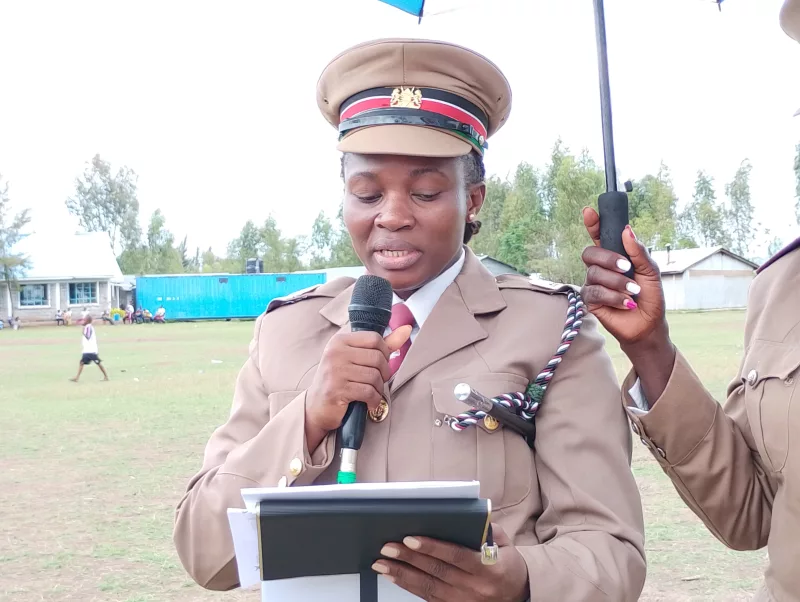
 Nursing Director at JOORTH Teresa Okiri during an ongoing fistula repair camp at the facility. Faith Matete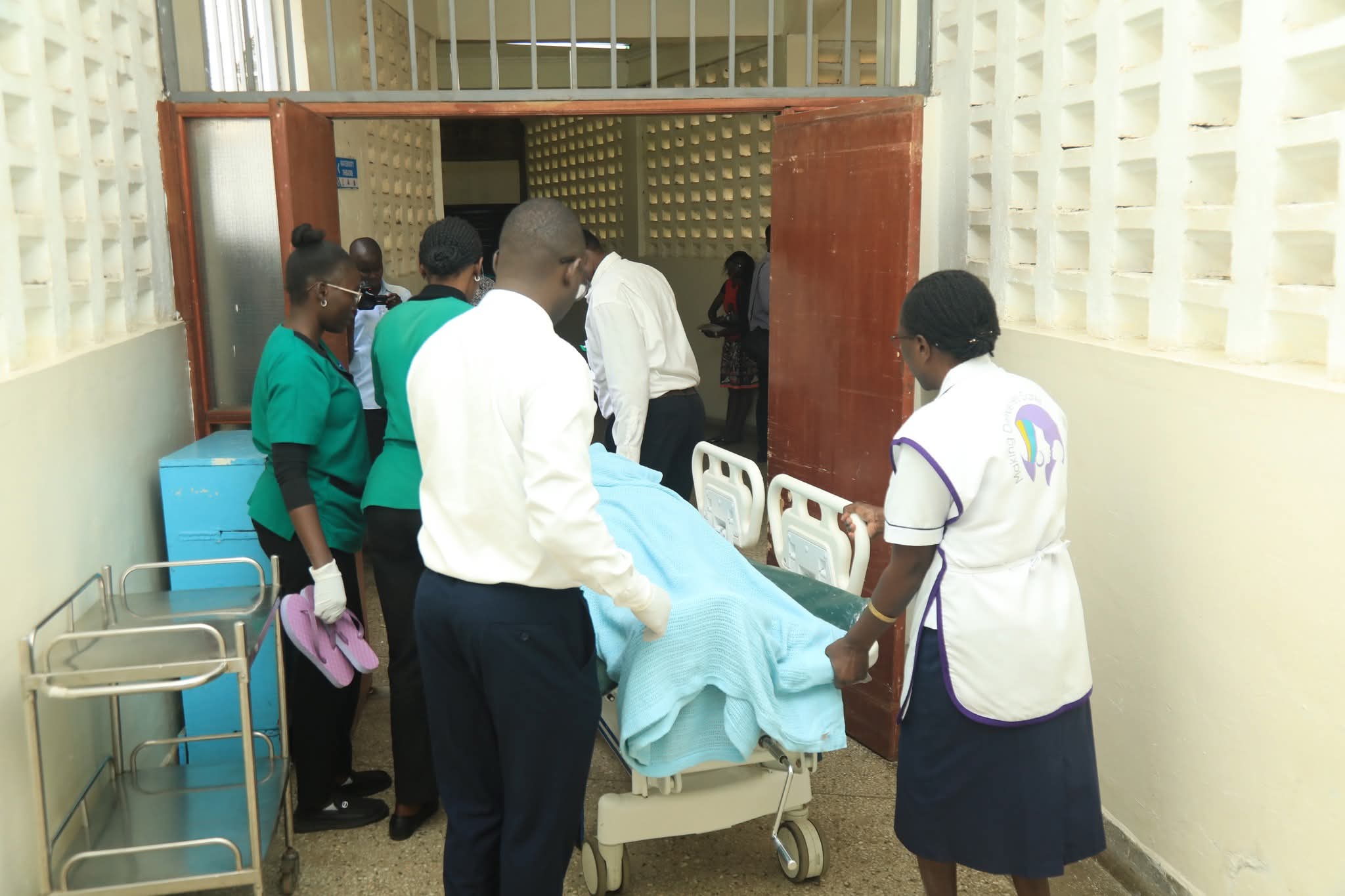
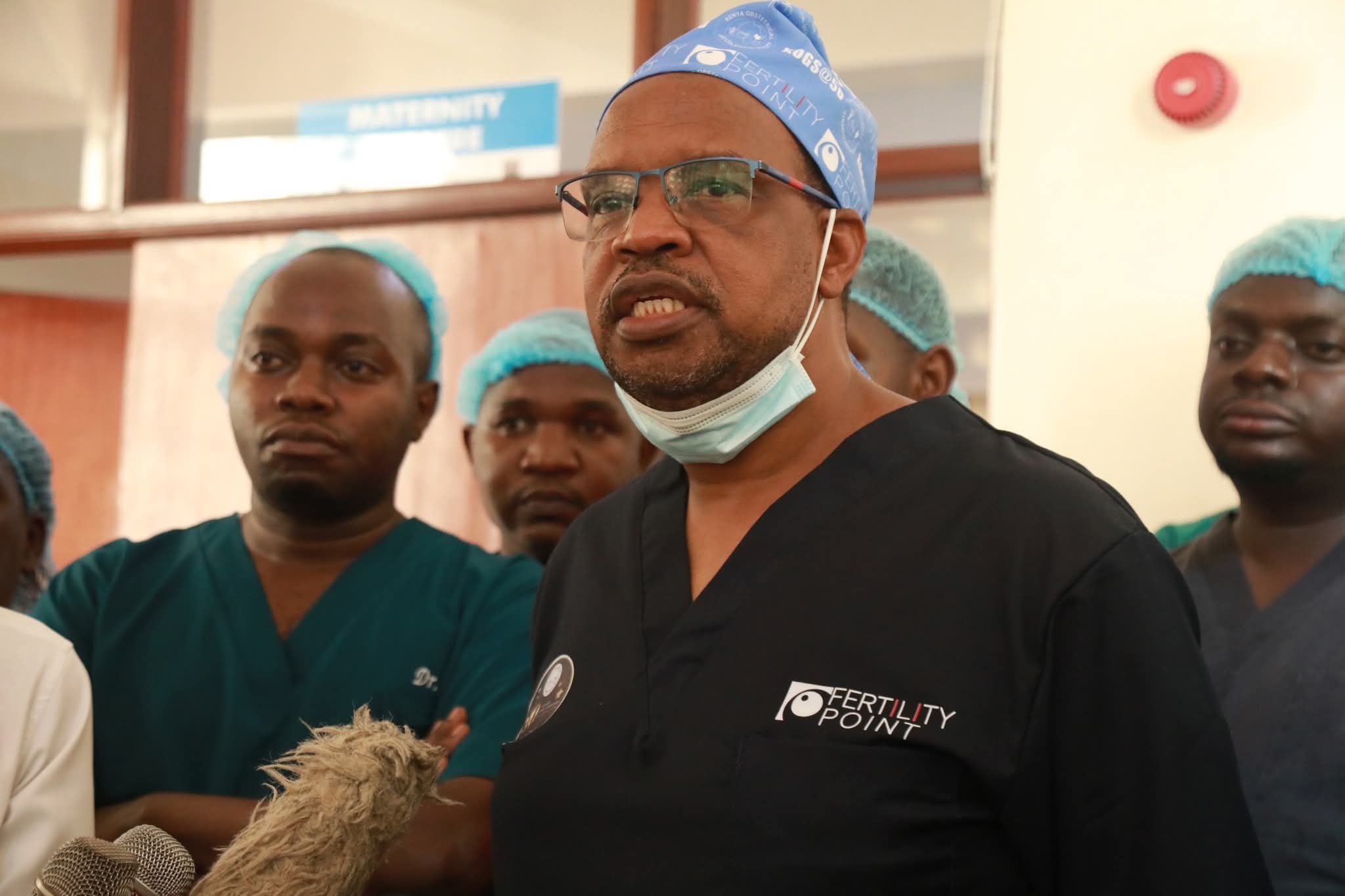 Dr. Paul Mitei, a fistula surgeon and obstetrician adressing the media an ongoing fistula repair camp at Jaramogi Oginga Odinga Teaching and Referral Hospital. Faith Matete
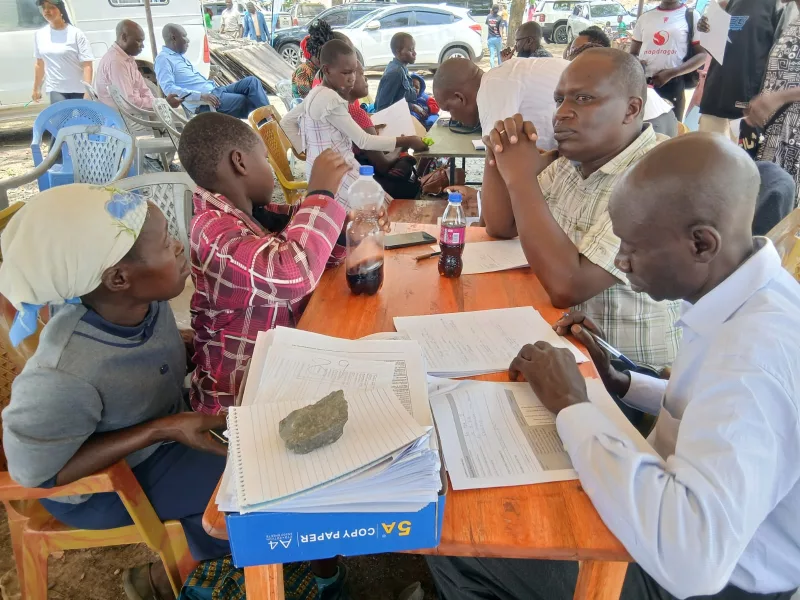
 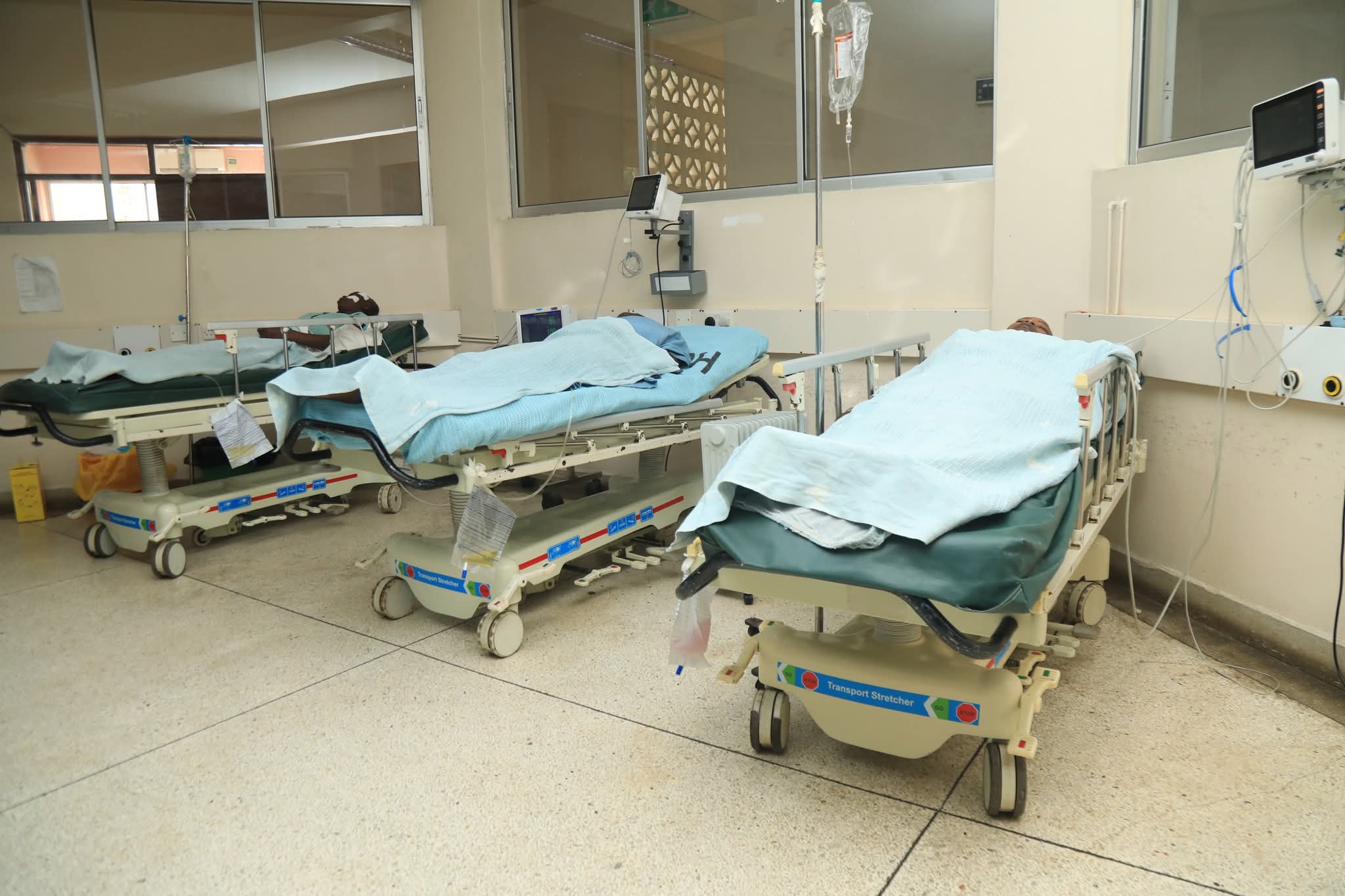 Patients at JOORTH during the ongoing fistula repair camp. Faith Matete
 More than 60 women have been screened and another 15 admitted for corrective surgery in an ongoing fistula repair camp at Jaramogi Oginga Odinga Teaching and Referral Hospital in Kisumu.
Supported by the M-Pesa Foundation and the Flying Doctors Society of Africa, the camp aims to restore dignity to women suffering from obstetric fistula—a debilitating condition largely caused by prolonged and obstructed labour.
Speaking at the launch, Nursing Director Teresa Okiri stated that the week-long exercise focuses on corrective surgeries for those who developed complications during childbirth.
“We started screening last week, and this camp brings together personnel from various counties. Our objective is to ensure we do not leave mothers suffering or having their dignity lowered because of childbirth complications,” Okiri said.
Obstetric fistula occurs when an abnormal connection develops between the vagina and the bladder or rectum, often following unmanaged, difficult labour.
“As a result, urine or stool flows uncontrollably. The mother has no control, which affects her social life and self-esteem. Through these routine repair camps, we endeavour to restore dignity to both the mothers and their families,” Okiri added.
Caroline Magire, a fistula consultant with the Flying Doctors Society of Africa, said many affected women face stigma and isolation, stressing the importance of timely repair and community reintegration.
Dr. Paul Mitei, a fistula surgeon and obstetrician at the facility, said fistula remains a significant maternal health challenge in Kenya, with between 2,000 and 3,000 new cases reported annually.
“Fistula means an abnormal communication between the bladder and the vagina or the rectum and the vagina, leading to incontinence of urine or stool. It is often caused by pregnancy-related complications, especially prolonged obstructed labour that is not assisted by a caesarean section,” Mitei explained.
He revealed that when the hospital began conducting fistula camps in 2009, it operated on about 90 cases during the first camp.
However, over the years, improved antenatal and delivery care has led to a reduction in the number of cases linked directly to obstructed labour.
"We have seen tremendous change over the last few years. The cases related to poor labour management have reduced. Currently, we are seeing more of what we call iatrogenic fistulas, those caused inadvertently during surgical procedures,” he said.
According to Dr. Mitei, the team expects to operate on at least 60 patients between Monday and Friday.
By Monday afternoon, three surgeries had already been successfully conducted: two rectovaginal fistulas and one vesicovaginal fistula resulting from a hysterectomy.
“These iatrogenic cases are increasing, although we still receive delivery-related fistulas,” Dr Mitei said.
The surgical team comprises five doctors, including one joining from Nairobi, as well as specialised fistula theatre nurses and support staff.
Medical experts say obstetric fistula is largely preventable through quality antenatal care, skilled birth attendance, and timely emergency obstetric services.
While the condition is rare in developed countries, it remains prevalent in developing nations where maternal health services are still inadequate.
The ongoing camp is expected to give dozens of women a second chance at life free from stigma, isolation, and the physical discomfort associated with the condition.
For many of the patients, the surgery represents more than a medical procedure; it is a restoration of dignity and a renewed sense of belonging in their communities.