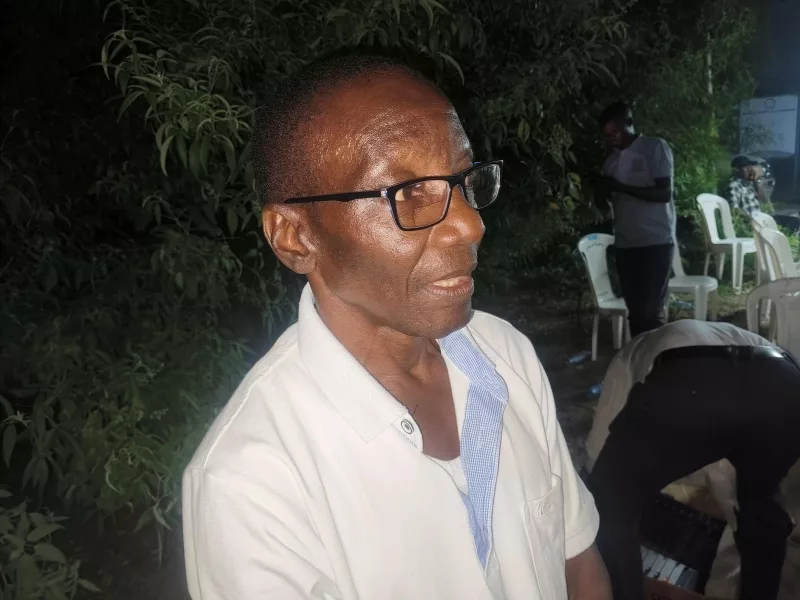
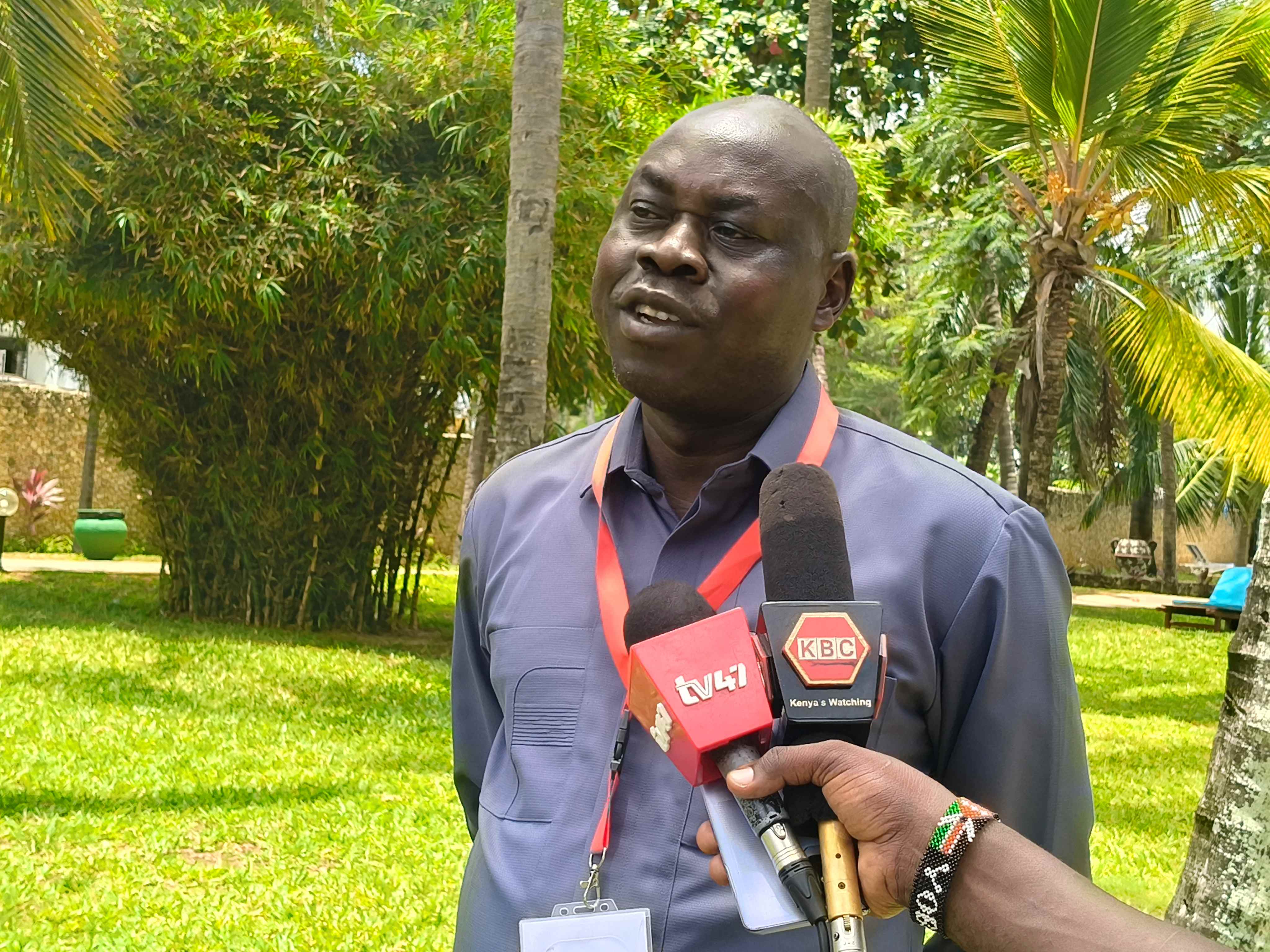
 MECMEA programme coordinator John Ajjugo in Mombasa
on March 2, 2026 /BRIAN OTIENO
MECMEA programme coordinator John Ajjugo in Mombasa
on March 2, 2026 /BRIAN OTIENO
Livestock farmers have been urged to keep a manageable number of animals to better utilise scarce resources such as pasture and reduce potential conflicts.
PanAfricare Kenya on Monday also advised crop farmers to plant certified drought-tolerant crops to cope with prolonged dry spells affecting many parts of the country.
PanAfricare Kenya is an independent non-profit organisation pioneering a variety of self-help development programmes in Kenya.
PanAfricare country director Dominic Godana said many livestock farmers, particularly in northern Kenya, maintain large herds largely for prestige rather than business purposes.
“Many do not keep large numbers of livestock for business. That is why, when we train them, we integrate the business aspect into their livelihoods so they do not lose everything when drought strikes,” he said.
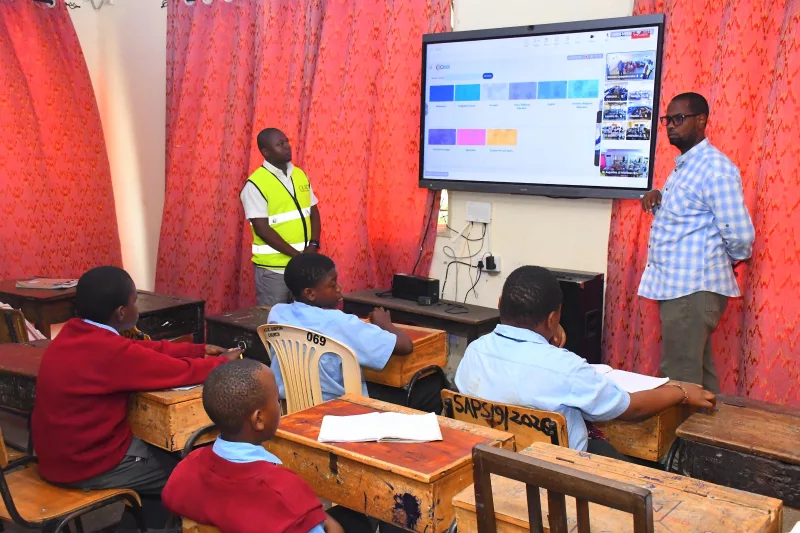
Godana made the remarks at the conclusion of a five-day capacity-building workshop in Mombasa, which explored the link between climate change, mobility and conflict.
The training is part of the project Managing the Impacts of Environmental Change and Conflict on Mobility in Eastern Africa (MECMEA), which seeks to address how climate change, environmental disasters, and conflict influence migration patterns across Eastern Africa.
The programme is funded by the European Union, contracted by the International Centre for Migration Policy Development, and implemented by several organisations, including Hoarec, PanAfricare and the Mixed Migration Centre.
Godana said the partners from eight countries attending the workshop will form a “community of practice” to share experiences on managing climate-induced conflicts in the Horn of Africa.
“All eight countries will be sharing experiences. We have formed a group of experts who will continue exchanging lessons. We will then adopt the best practices," he said.
"For Kenya, we will learn from these experiences and incorporate practices that complement our work.”
The PanAfricare director also called for better coordination of support from the government and other partners on the ground.
“We have support even from the government, but it is not well coordinated. Each partner has its own approach to helping communities cope with climate shocks,” he said.
“One of PanAfricare’s key roles is to bring all stakeholders together so they speak the same language, with the government leading. The community of practice will be an ideal platform to learn from other countries.”
Countries participating in the initiative include Kenya, Uganda, Tanzania, South Sudan, Ethiopia, Burundi, Somalia and Djibouti.
MECMEA programme coordinator John Ajjugo said discussions on migration often emphasise the economic aspect at the expense of environmental factors.
“For a long time, stories about migration, especially in Africa, have been distorted. Policy responses by governments have also not been highlighted adequately,” he said.
Ajjugo stressed the need to demystify migration myths that portray Africans as desperate.
“Ostensibly, it is assumed that Africans migrate to Europe to overtake the locals. But that is not the case. Most migration occurs within Africa. People move from rural to urban areas or between countries within the IGAD region and across Eastern Africa,” he said.
Environmental factors, including loss of land due to floods and drought, are among the main drivers of migration.
“How governments respond to these challenges is key,” Ajjugo added.