Somalia marked a historic milestone in its state-building journey as lawmakers in the Federal Parliament endorsed the final reforms to the country’s provisional constitution.
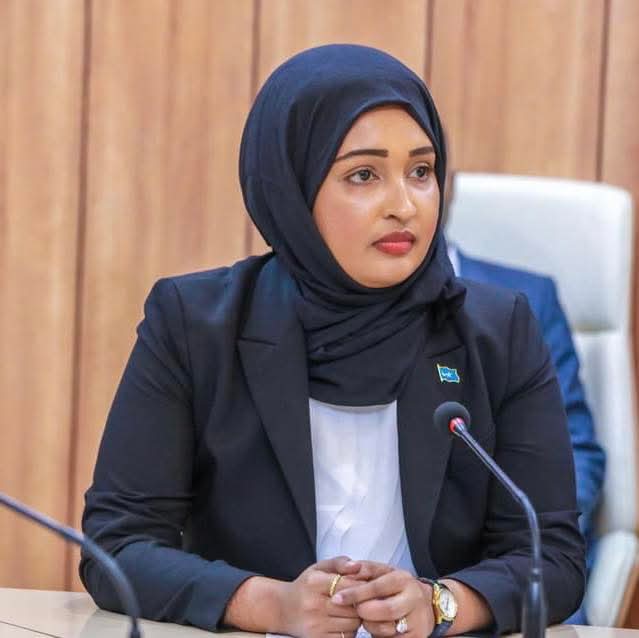
Khadija Al-Makhzoumi, Somalia’s Minister of Family and Human Rights, described the day as “a great day for Somalia,” praising the vote as the fulfilment of a long-standing promise to the nation.
In a landmark session, members of both the House of the People and the Upper House approved the constitutional reforms by a clear majority, concluding years of debate, consultations, and committee reviews.
The amendments clarify the federal system, strengthen governance institutions, and entrench fundamental rights, completing the review process of the Provisional Constitution that has guided Somalia since 2012.
“Today is a great day for Somalia. We have fulfilled a constitutional duty that we swore to carry out, completing and finalising the Provisional Constitution,” Al-Makhzoumi said shortly after the vote.
She noted that the milestone reflects the collective efforts of Somalia’s political institutions and highlights the importance of unity between the executive and legislative branches.
“Both as a member of the Council of Ministers and as a Member of Parliament, it is an honour for me to see my role in Somalia’s state-building process reflected in this achievement. Today, Somalia’s journey toward strong statehood has reached a historic milestone, made possible through the unity and cooperation of the institutions of government,” she added.
The constitutional framework clarifies the separation of powers, defines the relationship between the federal government and member states, and strengthens protections for women, children, and other vulnerable groups — a key focus for Al-Makhzoumi’s ministry.
For Somalia, the significance of a completed constitution extends beyond legal codification.
Al-Makhzoumi emphasized the human rights dimension of the reforms, highlighting the potential benefits for citizens across the nation.
“This constitution enshrines protections for the most vulnerable in our society. It is a commitment to our children, women, and families that their rights will be respected and safeguarded,” she said.
The passage of the reforms follows years of negotiations and consultations under often challenging political and security conditions, reflecting growing institutional maturity in Somalia’s federal system.
Lawmakers and government officials alike have described the vote as a turning point that signals the country’s readiness to enter a new phase of governance, accountability, and national cohesion.
As Somalia celebrates the historic approval, attention now turns to the implementation phase, which experts say will determine whether the promise of stability, security, and prosperity embedded in the new constitution is fully realised.
“Completion of the constitution is only the beginning. Its success depends on our collective adherence to justice, good governance, and accountability,” Al-Makhzoumi concluded.