It was just another evening in Nairobi, the city buzzing with its usual chaos, and I was heading home after a long day.
The sun was dipping behind the skyline, painting everything in familiar shades of orange and gold.
The streets were alive with a restless symphony of horns, revving engines, and the constant chatter of pedestrians.
There I was, weaving through it all on a boda boda, that infamous two-wheeled lifeline for many Nairobians.
Boda bodas are fast, convenient and they promise a shortcut through the city’s never ending traffic.
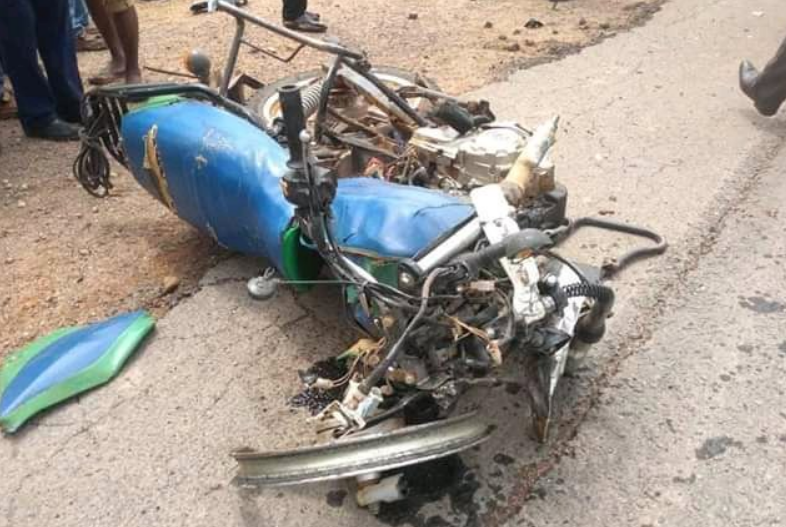
However, that evening, as my bike swerved around a car that suddenly stopped in front of me, I learned just how fragile that promise could be.
The next moment, the world tilted violently, pain exploding in my arm and spreading across my ribs.
Did my speed saviour just drop me onto the street, because all I remember is the next minute, running from the scene and shouting like a mad woman.
In my head, I imagined cars charging from behind us, convinced they would run me over.
I did not forget to grab my bag, which held my phone because I was not ready to lose the new gadget I had acquired just months earlier.
During accidents, not everyone has good intentions and some are always ready to disappear with valuables.
The next minute, I was by the side of the road and people were already crowding around us.
“Ni mara ngapi tumewaambia muache kupanda hizi vitu za stima zitakuja kuwaua,” one person said as he handed me my shoes.
I did not have the energy to respond, as pain coursed through my body and I wailed uncontrollably.
I had thought riding electric was my small contribution to environmental conservation, but little did I know I was also contributing to Nairobi’s road injury statistics.
I had signed up to save the planet, not to personally test the hardness of Nairobi’s unforgiving tarmac.
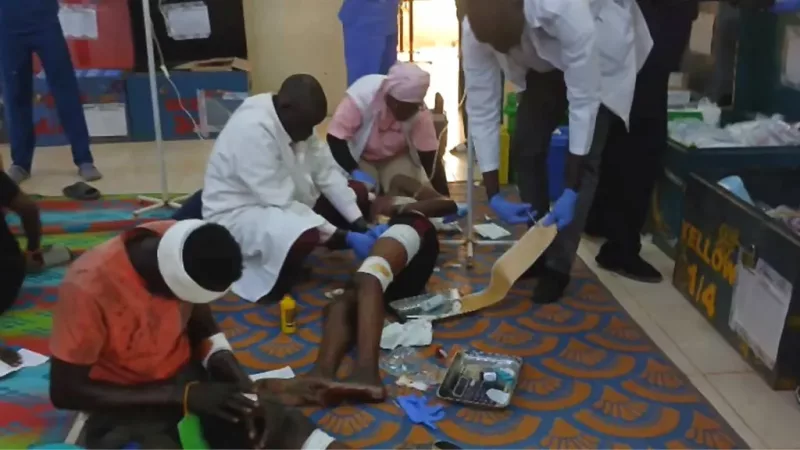
One of the cab drivers nearby rushed me to hospital to be checked, and it was then that I called my family to tell them what happened.
“We are coming to the hospital, we will meet you there,” they said, their voices shaky.
I arrived before them and by the time they got there, I had just come from the X-ray room.
The moment I saw them, I cried uncontrollably, dusty enough to look like I had been working in a cassava plantation all day.
The results came back, my arm was fractured, and my body was bruised in a way that made every movement a sharp reminder of the crash.
Recovering was however no small feat.
Days of sleepless nights, hospital visits, and the frustration of having one arm out of commission left me reflecting on something I had not considered before: speed comes with a price.
A few months later, I thought I was ready to return to my daily commute.
I had healed, my confidence had returned and the boda boda felt like an old, familiar friend.
It was a morning rush, the streets already swarming with vehicles, pedestrians, and fellow riders.
I was heading to work, adrenaline pumping, when the unthinkable happened again but this time round, it was not a car, but my own miscalculation.
Traffic was crawling, the clock was sprinting, and my boss’s famous line, “8:05 is not 8 am,” rang louder than common sense.
Afraid of walking into work late, I made a rushed decision, stepping out of a cab and hopping onto a bodaboda, convinced speed would rescue me from embarrassment.
Nairobi mornings are unforgiving since everyone is in a hurry, drivers squeezing into tight spaces, riders darting between lanes, pedestrians threading through moving vehicles.
In the frenzy, a vehicle surged forward too aggressively and the bodaboda swerved, lost balance and control slipped away.
With cars hemming us in from every direction, I made a split-second choice. I jumped.
In that brief, irrational flash, I must have believed I possessed superhero reflexes, part Batman, part Spiderman, capable of landing gracefully in rush-hour traffic.
Gravity was unimpressed, and I hit the ground hard.
My leg twisted beneath me, and the sharp pain erased any illusion of heroism.
What I thought was a clever escape from being late turned into weeks on crutches, a painful reminder that Nairobi’s roads are not action movie sets, and I am not a superhero.
The physical pain was temporary, but the mental scar lingered longer.
Twice in a year, my reliance on Nairobi’s bustling boda boda system had put me in harm’s way.
Despite the risks, boda bodas remain one of Nairobi’s most popular means of transport since they promise efficiency in a city where traffic jams can stretch for hours.
They navigate narrow lanes, cut through long queues, and often get you to your destination faster than any matatu or taxi.
For many, they are more than transport. They are a lifeline yet behind the convenience lies a stark reality.
According to the Kenya National Bureau of Statistics, road accidents claim thousands of lives and leave countless others injured every year, with motorcycles accounting for a significant portion.
Busy roads, risky driving, and poorly maintained streets amplify the dangers riders like me face daily.
When people hear “boda boda accident,” they imagine chaos, sirens, and headlines but behind every statistic is a story; families disrupted, jobs paused, bodies healing and minds scarred.
After my accident, I felt exposed and fragile, and simple tasks became exhausting.
I could not cook, carry groceries, or even hold a pen comfortably.
The fear of getting back on a boda boda was real, yet life demanded it.
Commuting in Nairobi does not pause for injury or fear.
The second accident deepened that fear as it was no longer just physical injury, but a confrontation with my own judgement and the risks I had accepted.
Each bump, each pothole, each reckless move carried weight, and every ride became a negotiation between necessity and danger.
Through pain and recovery, lessons became painfully clear reminding me that safety is not optional.
Helmets, reflective jackets, and proper shoes are not accessories; they can be lifesavers.
Experience matters because even confident riders misjudge situations, and training and caution go a long way.
On the other hand, awareness is key since Nairobi’s roads are unpredictable.
One moment a path seems clear, the next it is blocked by impatience or a sudden pothole.
Injuries can sideline you for weeks, affecting work, finances, and even mental health.
Boda bodas are however here to stay and they are woven into the city’s daily rhythm.
My story is not just about accidents but a call for reflection.
Riders need better training, passengers need awareness and the city needs safer, more organised roads.
For commuters like me, the message is simple, respect the speed, respect the risk and do not let convenience overshadow caution.
Life in Nairobi moves fast, but it does not have to end abruptly.
As I write this, my body carries invisible marks of two accidents, but my mind carries a clearer message: life in the fast lane comes with responsibility.
Sitting indoors nursing injuries is not easy, especially for someone used to social spaces and constant conversation.
Boda bodas can save time, but they can also demand a heavy toll when the rules of the road are ignored.
Nairobi’s roads are chaotic, unpredictable, and full of stories like mine so maybe, by sharing them, we can make the city a little safer, one ride at a time.