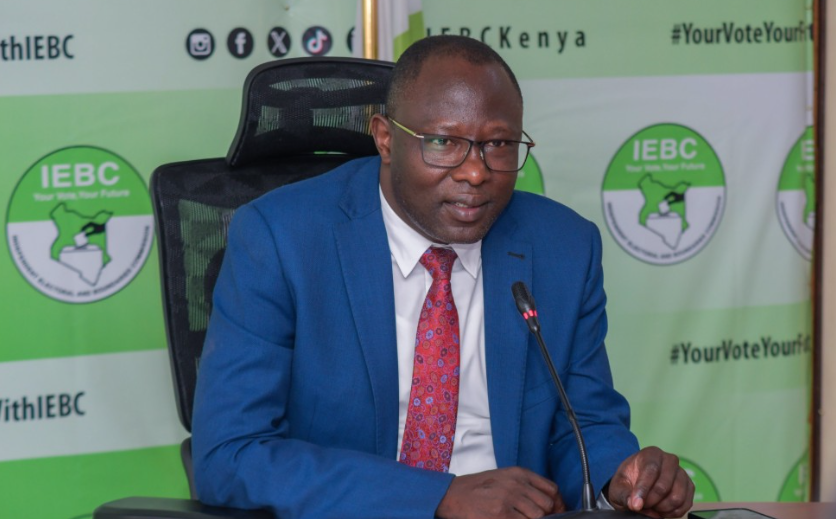
Kenya’s elections rank among the most expensive in the world, and the early debate over funding the 2027 polls shows why. The Independent Electoral and Boundaries Commission has informed MPs that it requires Sh63 billion to deliver the next general election.
Parliament, citing fiscal pressures, has reduced this request to Sh43 billion. The large gap between the two figures underlines a persistent tension between financial realism and electoral credibility.
A closer look at the proposed budget raises legitimate questions. Salaries and wages alone account for Sh12.4 billion, the single largest expense.
Even more puzzling is the continued replacement of the Kenya Integrated Election Management System kits at every election, now projected to cost Sh6.2 billion. In a country grappling with debt and competing social needs, voters are entitled to ask whether such recurrent costs represent value for money.
At the same time, the IEBC cannot be starved of resources and still be expected to deliver free, fair and credible elections. Technology, staffing and logistics are not luxuries; they are safeguards of democracy. What is required is a realistic, transparent budget anchored in long-term planning, not election-by-election improvisation.
Past concerns about misuse of public funds make it imperative to seal loopholes, strengthen oversight and prioritise efficiency. Credible elections and fiscal discipline are not mutually exclusive—they must go hand in hand.
“No man really knows about other human beings. The best he can do is to suppose that they are like himself.”
John Steinbeck
The American writer, winner of the 1962 Nobel Prize in Literature, was born on February 27, 1902