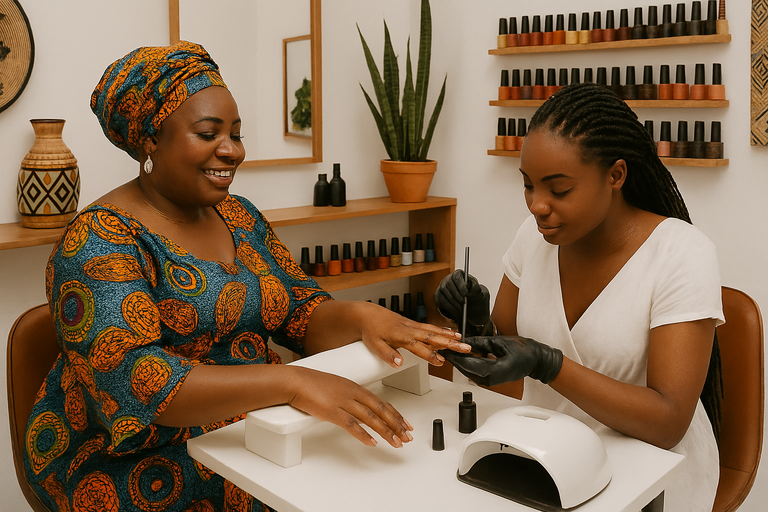
Stepping into a nail salon often feels like a small act of self-care. The hum of dryers, the scent of polish and rows of colourful bottles create a relaxing escape from daily routines.
Gel manicures, in particular, have become a beauty staple because they last longer, resist chipping and maintain a glossy, flawless finish for weeks. Yet behind that shine are health considerations that many people rarely think about.
Gel polish works differently from regular nail polish. Instead of air-drying, it cures under ultraviolet (UV) or LED lamps, which harden the chemicals in the polish and lock in durability and shine.
While effective, this process exposes the skin on your hands to ultraviolet radiation. Over time, repeated UV exposure can damage skin cells, contribute to premature ageing, such as wrinkles and pigmentation, and increase the risk of long-term skin concerns.
Beyond UV exposure, the chemical composition of gel polish also raises concerns. Many gel products contain acrylates and methacrylates, compounds that help polish adhere firmly to the nail.
With repeated exposure, these chemicals can irritate the skin or trigger allergic reactions. Some people experience redness, itching, swelling or blistering around the nails after frequent gel manicures. These reactions may start mildly but can worsen over time if exposure continues.
In parts of Europe, regulators have taken steps to restrict certain ingredients used in nail products. One example is TPO (trimethylbenzoyl diphenylphosphine oxide), a substance linked to potential risks affecting DNA and reproductive health.
However, in Kenya and many other countries across Africa, such products remain widely available, often without clear labelling or regulatory oversight. Nail technicians may not always know the chemical makeup of the products they use, and salons rarely provide safety warnings. As a result, consumers often unknowingly expose themselves to risks without adequate information.
SAFETY MEASURES
This does not mean gel manicures must be avoided entirely. Instead, awareness and simple protective measures can significantly reduce potential harm, while allowing people to continue enjoying their beauty routines.
One practical step is applying broad-spectrum sunscreen to the hands about 15 to 20 minutes before a manicure. Sunscreen helps limit UV absorption during the curing process.
Fingerless UV-protective gloves are another useful option, shielding most of the skin while leaving the nails exposed for proper curing.
Choosing salons that use LED lamps rather than traditional UV lamps can also help. LED lamps cure polish more quickly, which reduces the total time hands are exposed to ultraviolet light. While LED lamps still emit some UV radiation, shorter exposure periods may lower cumulative risk.
Equally important is spacing appointments. Allowing a few weeks between gel manicures gives nails and surrounding skin time to recover and reduces repeated chemical exposure. Constant back-to-back applications can weaken nails, leaving them brittle or prone to peeling. Taking occasional breaks also makes it easier to notice early warning signs of sensitivity or damage.
Paying attention to your hands is essential. Persistent redness, itchiness, tenderness or irritation may signal a developing allergy or sensitivity. When these symptoms appear, it is wise to pause gel treatments and allow the skin to heal. Moisturisers, cuticle oils and barrier creams can help restore hydration and support nail health during recovery periods.
Another often-overlooked factor is removal. Improper removal methods — such as forcefully peeling off gel polish — can strip layers of the natural nail, causing thinning and long-term damage. Professional removal or gentle soaking methods help protect nail integrity and reduce unnecessary trauma.
INFORMATION IS POWER
Gel manicures remain popular because they combine beauty, convenience and confidence. For many people, they are part of self-expression and personal care.
The goal is not to create fear but to encourage informed choices. The shine on your nails may be temporary, but exposure to UV light and certain chemicals can hurt over time.
In regions where product labelling and regulation lag behind global standards, personal awareness becomes especially important. Asking questions at salons, choosing reputable products and taking protective steps empower individuals to balance beauty with safety.
Ultimately, enjoying gel manicures responsibly comes down to moderation and mindfulness. Sunscreen, protective gloves, shorter curing times, proper removal and spacing appointments can make a meaningful difference.
Beautiful nails and healthy hands do not have to be mutually exclusive.