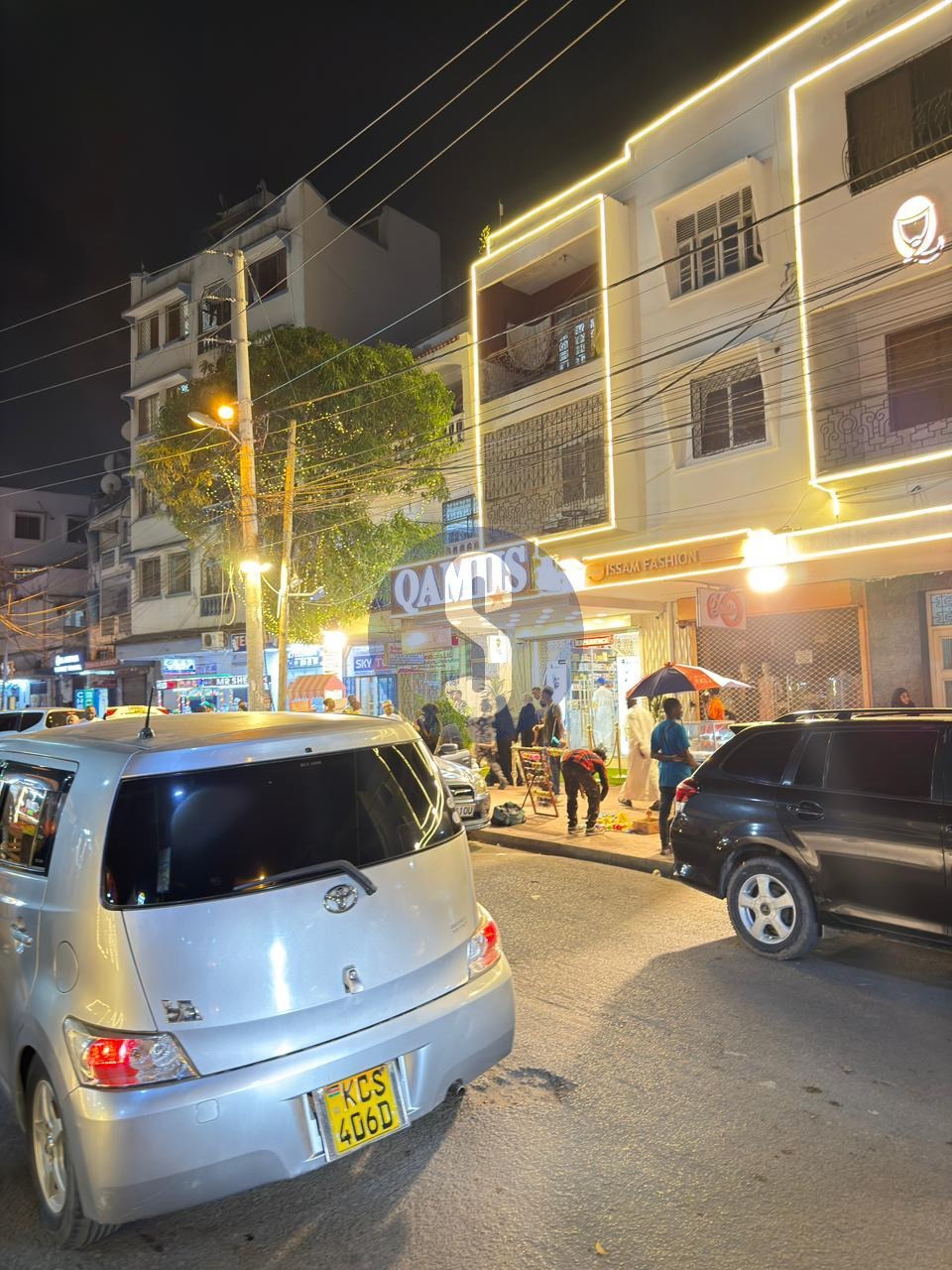
In Mombasa, Ramadhan is not just a month. It is a feeling. It is a time when the whole city changes its rhythm and moves with faith.
The streets of Old Town become calmer, the air feels heavier with reflection, and the sound of the Adhan (call to prayer) fills the sky five times a day. Ramadhan is a month of Saum (fasting). From Fajr (dawn) to Maghrib (sunset), Muslims do not eat or drink.
But fasting is not only about hunger. It is also about patience, kindness and controlling the tongue. It is about cleaning the heart and strengthening Iman faith. Before sunrise, families wake up for Suhoor (the pre dawn meal).
In many homes in Mombasa, mothers prepare light food like uji porridge, wali rice, or leftovers from the night before. There is tea with tangawizi (ginger). People eat quietly, sometimes still sleepy but peaceful.
When the Adhan for Fajr is heard from mosques like Mandhry Mosque, one of the oldest mosques in East Africa, the fast officially begins.
During the day, the city slows down. People go to work but with softer voices and calmer movements. Many read the Qur’an, which Muslims believe is Kalamullah (the Word of Allah).
Charity becomes very important. Muslims give Zakat (obligatory charity) and Sadaqah voluntary charity to help the poor. No one should break their fast alone. When Maghrib (sunset) arrives, there is a special moment. Families gather around the table waiting to make Dua supplication.
The fast is broken with dates and water following the Sunnah tradition of the Prophet Muhammad peace be upon him. This moment is full of gratitude. The first sip of water feels like mercy. Then the food comes. Ramadhan in Mombasa is known for its rich Swahili dishes.
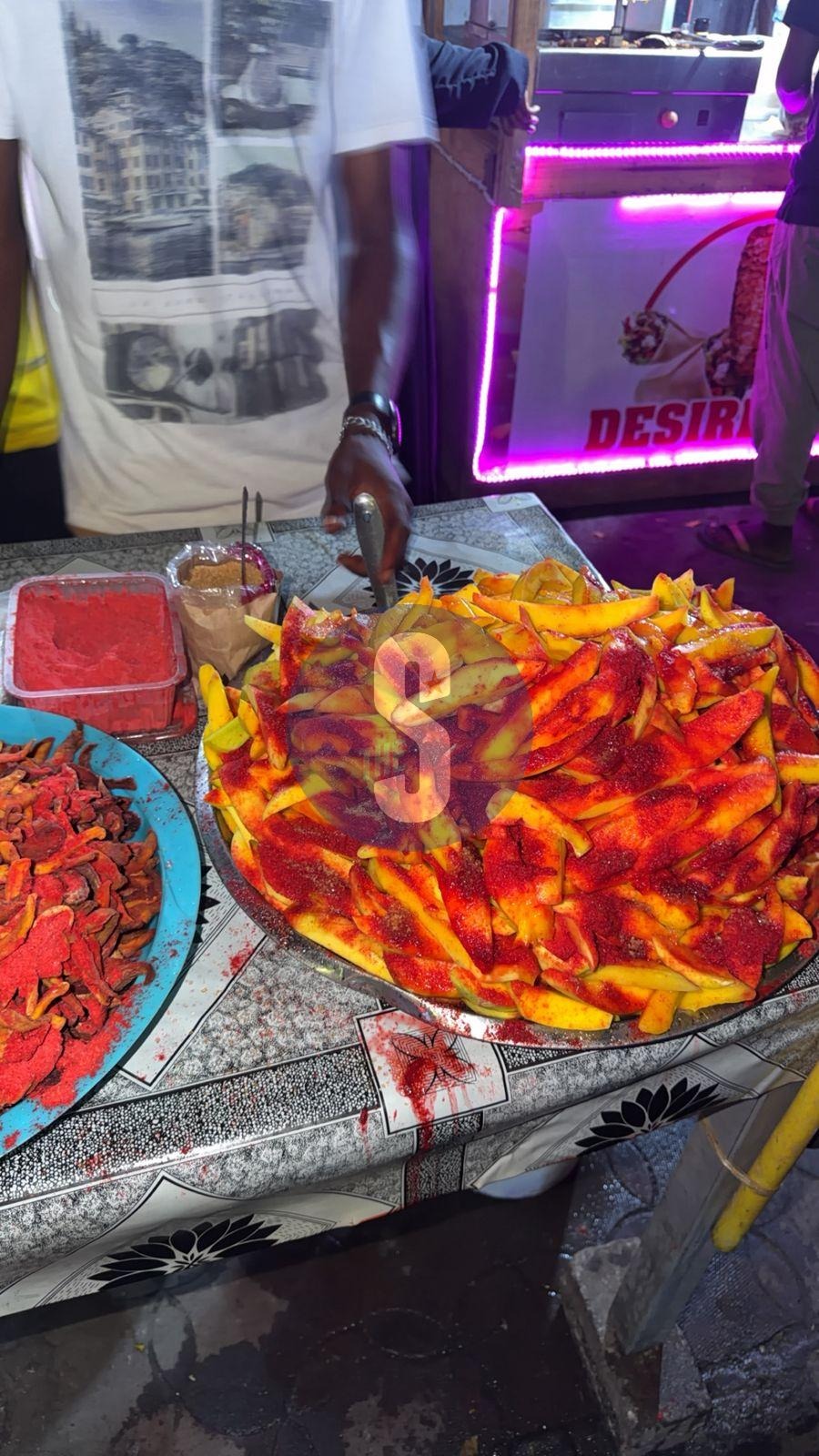
There are viazi karai, crispy potatoes covered in gram flour. There are bhajias and sambusas filled with meat or vegetables. Many families cook wali wa nazi rice cooked in coconut milk served with beef stew or fish. The smell of spices like cardamom and cinnamon fills the house. Sweet foods are also important.
Kaimati soaked in syrup, mahamri made with coconut and halwa are common during Iftar breaking of the fast. These foods show the history of the Swahili people who were influenced by Arab and Indian traders many years ago. In every bite there is history. At night, people go back to the mosque for Taraweeh (special night prayers) in Ramadhan. The Imam leads long prayers and recites parts of the Qur’an every night.
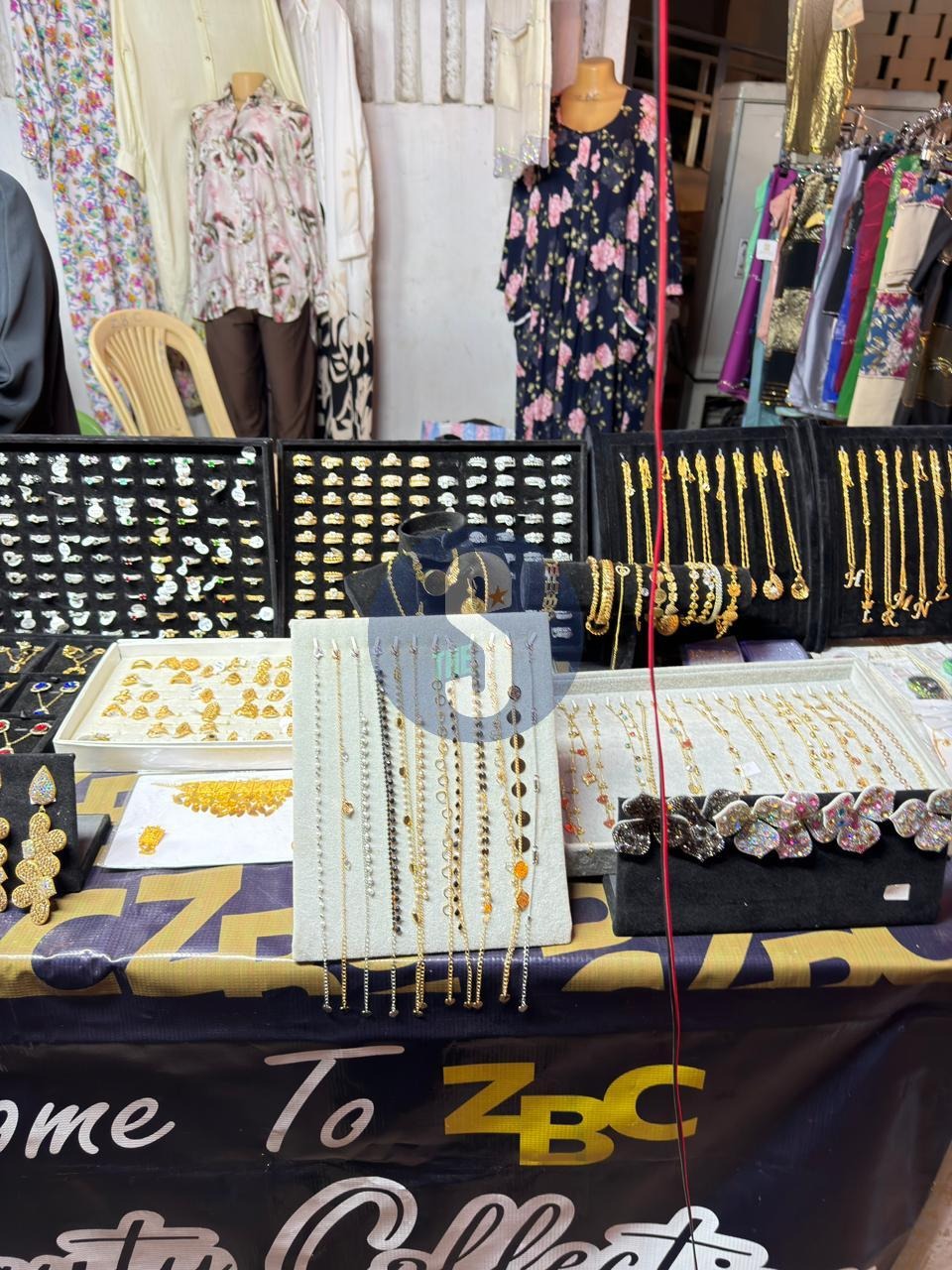
The mosque becomes full. People stand shoulder to shoulder in unity. In the last ten nights, worship becomes stronger as Muslims search for Laylatul Qadr the Night of Power which is better than a thousand months. One of the most special parts of Ramadhan in Mombasa is the Slush Festival held at Makadara Grounds near Old Town.
This festival only happens during Ramadhan and its sponsored by the Mombasa County Government After Maghrib and even after Taraweeh, the grounds become full of life.
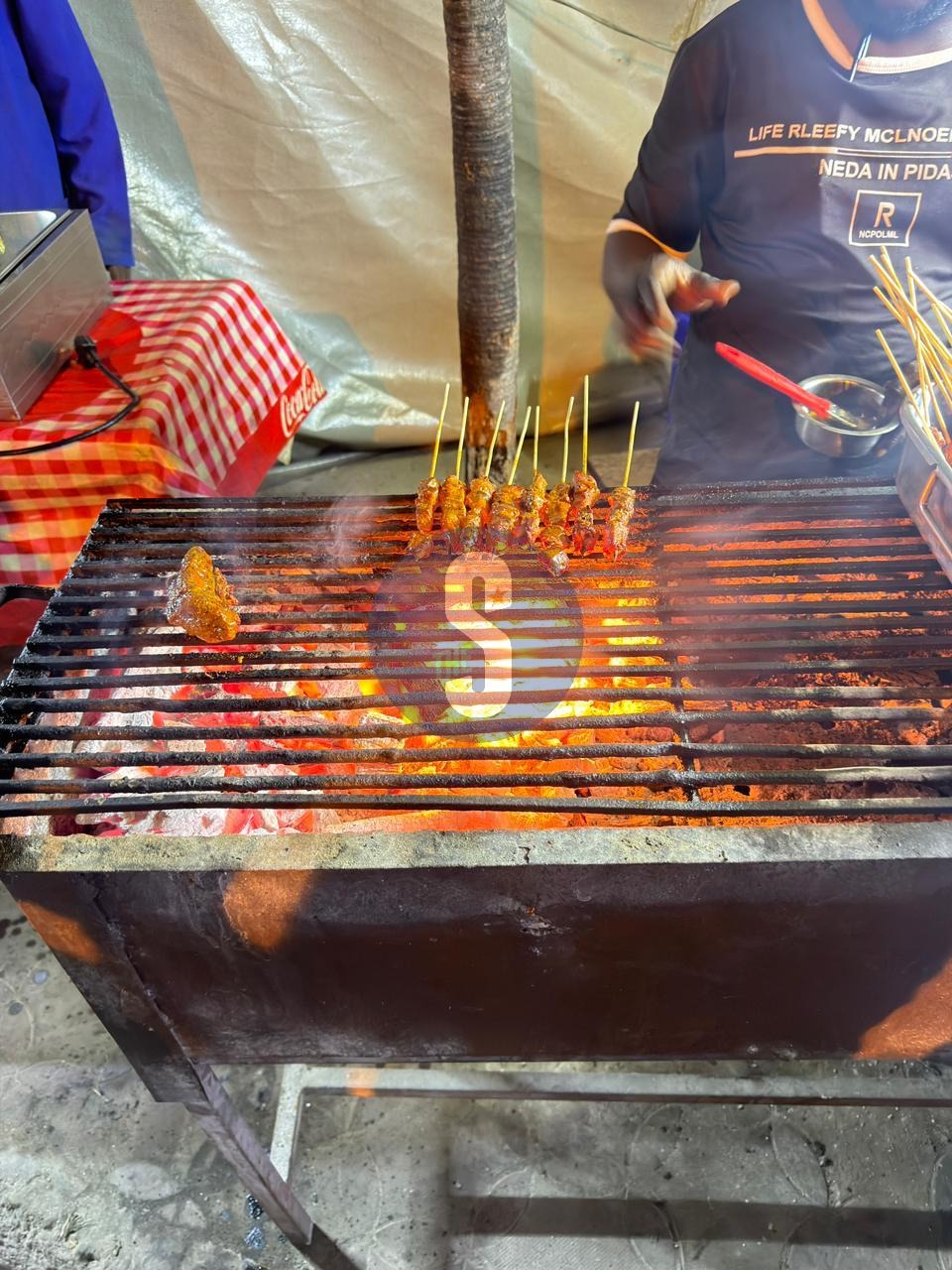
Different vendors from different communities come together to cook and sell food. You find Swahili pilau, mishkaki grilled meat skewers, shawarma, cassava, fresh juices and many other snacks. It is like a big family gathering for the whole city. The famous slush drink is the highlight. It is made with crushed ice, colorful syrups, milk, jelly, and basil seeds. Children love it. Adults enjoy it too.
The bright colors make the place look joyful. But the festival is not only about food. It is about unity. People from different tribes and cultures sit together. Rich and poor stand in the same line. Everyone shares the same spirit of Ramadhan. In Mombasa, Ramadhan is about community.
Neighbors send food to each other. Elders teach children the meaning of Sabr patience and Shukr (gratitude). Families pray together. People forgive one another. When the month ends and Eid celebration arrives, there is both happiness and sadness.
Happiness because of completing the fast. Sadness because the peaceful days of Ramadhan are gone. Ramadhan in Mombasa is not only a religious event. It is culture, faith, food, prayer and togetherness.
It is a month where hearts become softer, hands become more generous and the city remembers what truly matters.