Kisumu has performed more than 550 complex neurosurgical operations in recent years, marking a major step towards transforming the region into a centre of excellence for brain and spine care.
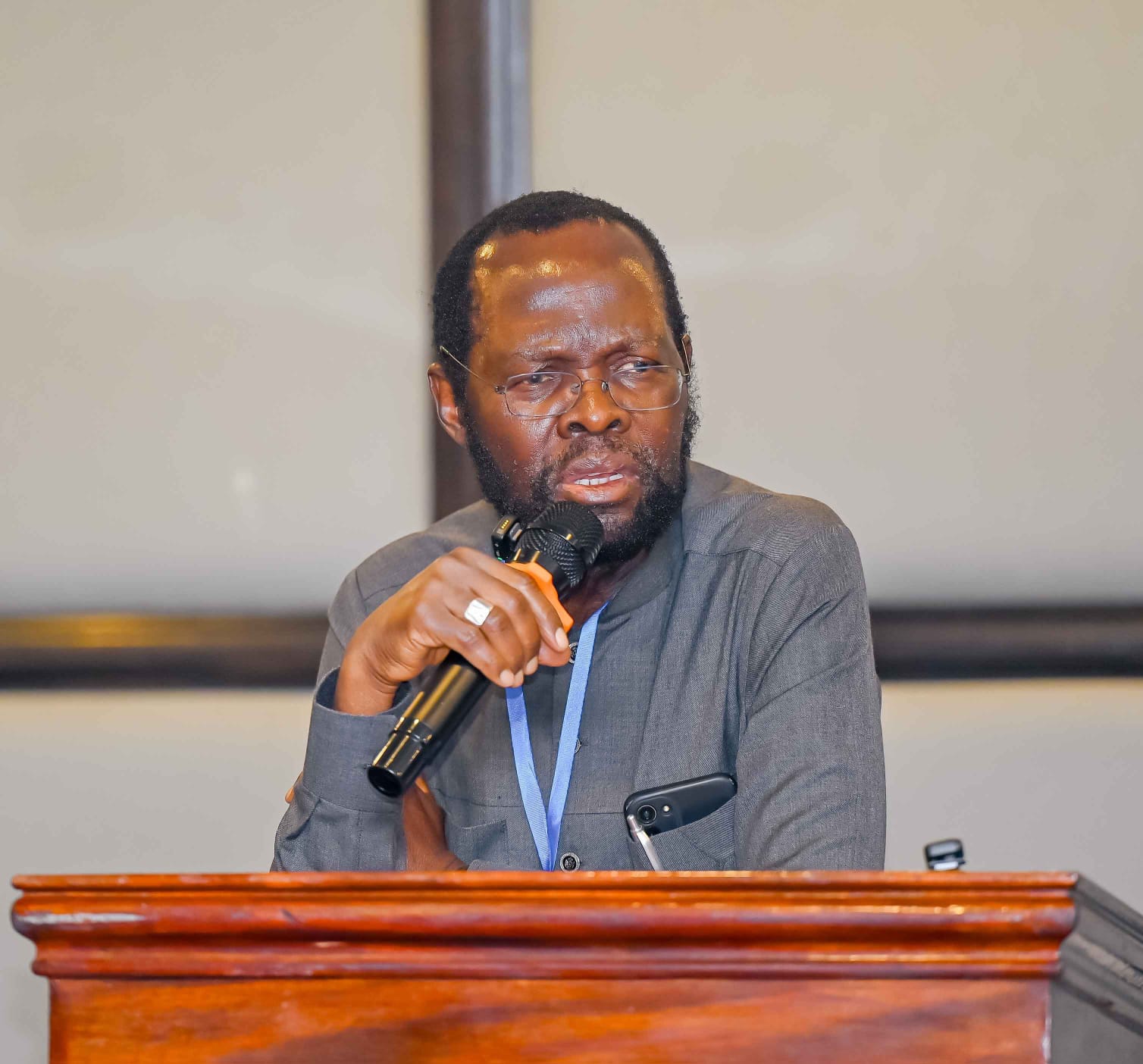
Governor Anyang’ Nyong’o said the county’s partnership-driven approach has steadily built local capacity and reduced the need for patients to travel to Nairobi or abroad for specialised treatment.
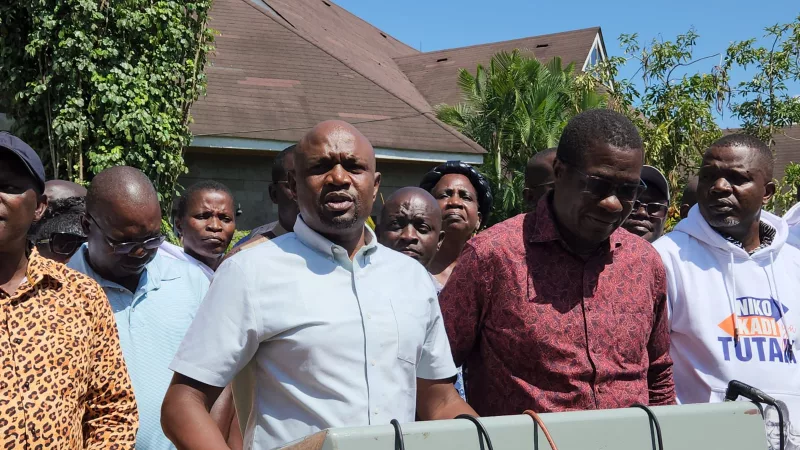
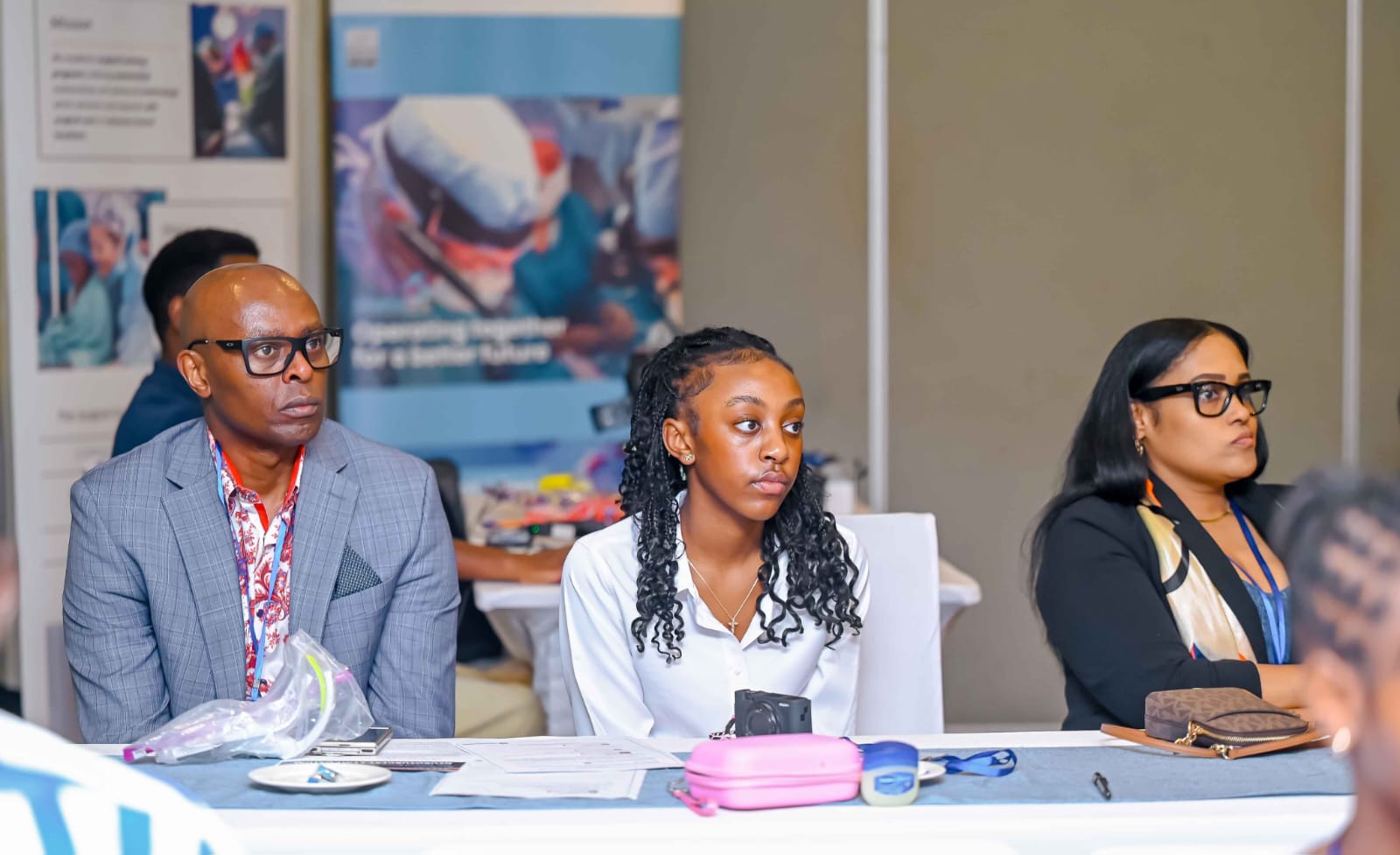
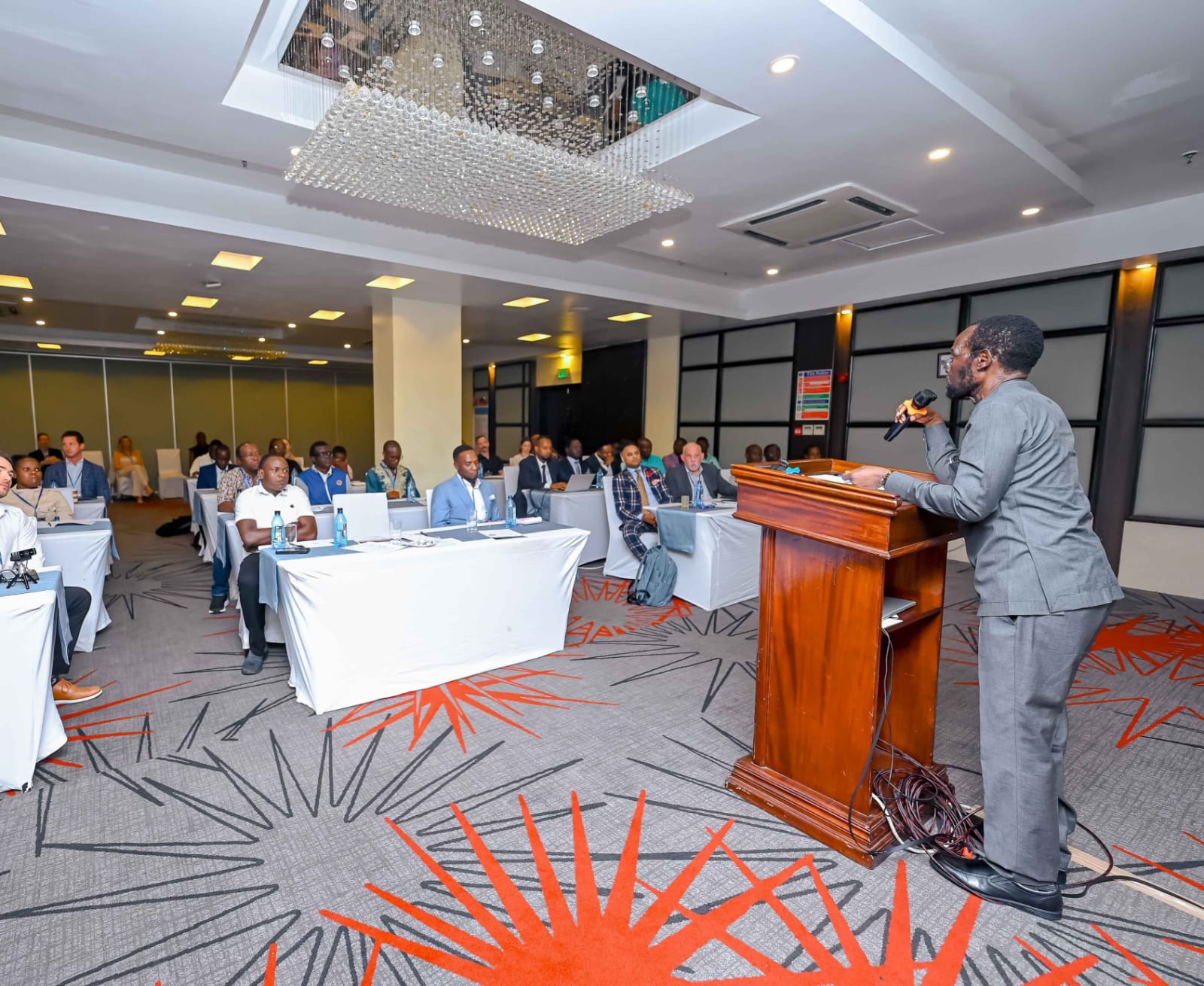
Nyong'o spoke during the 6th Annual Kisumu Neurosurgery Symposium whose participants were drawn from across Kenya and international partners.
The gains, he said, are anchored at the Jaramogi Oginga Odinga Teaching and Referral Hospital (JOOTRH), where regular neurocamps are now held and international specialist teams work alongside local professionals.
“When we first supported the Kisumu Neuroscience Initiative, the goal was simply to bring life-saving brain and spine surgery closer to our people,” he said.
“Today, that vision is taking shape.”
According to the county, 554 complex neurosurgical procedures have been conducted at JOOTRH, alongside 1,500 clinic reviews.
The interventions have addressed conditions ranging from traumatic brain injuries to spinal disorders, offering relief to hundreds of patients and their families.
Beyond the surgeries, the governor said the focus has shifted from short-term medical missions to a sustainable system built on training and mentorship.
“Local surgeons, nurses, anaesthesiologists and theatre staff now receive continuous hands-on training through structured fellowship and mentorship programmes,” Nyong'o said.
The aim, he said, is to nurture a pool of neurosurgeons capable of serving Kisumu and the wider western region.
“While infrastructure is important, specialists are the engine of a functioning health system,” Nyong’o said.
The county government is also banking on the elevation of JOOTRH into a fully empowered national teaching and referral centre.
The move, the governor said, will secure additional funding, specialist positions and infrastructure needed to entrench advanced neurosurgical services.
He pledged sustained county financing for critical specialist equipment, expanded scholarships for trainees and strengthened outreach programmes to ensure residents access care without facing catastrophic medical expenses.
Nyong’o further stressed the importance of research and data collection to document outcomes and attract further investment.
“Evidence will drive sustainability,” he said, adding that Kisumu’s model could be replicated in other counties if supported by strong partnerships and focused leadership.
He lauded international collaborators, visiting medical teams and local health workers for supporting the initiative, and paid tribute to patients and families who have entrusted the programme with their care.
The governor urged national government agencies, development partners and the private sector to support the expansion of neurosurgical services, noting many families still travel long distances or forgo treatment for treatable brain and spine conditions.
With regular neurocamps now in place and a growing team of trained specialists, Kisumu is positioning itself as a referral hub for complex neurological cases in western Kenya.
“The future of neurosurgery in our region is not a distant ambition,” Nyong’o said, adding that it's being built here and now.
The conference came after a five days neurosurgical camp at JOORTH in which US neurospecialists operated on 50 patients with brain and spinal conditions.
The initiative, which took place between February 16 and 20 sought to ease the growing demand for specialised neurological care in western Kenya and neighbouring regions.