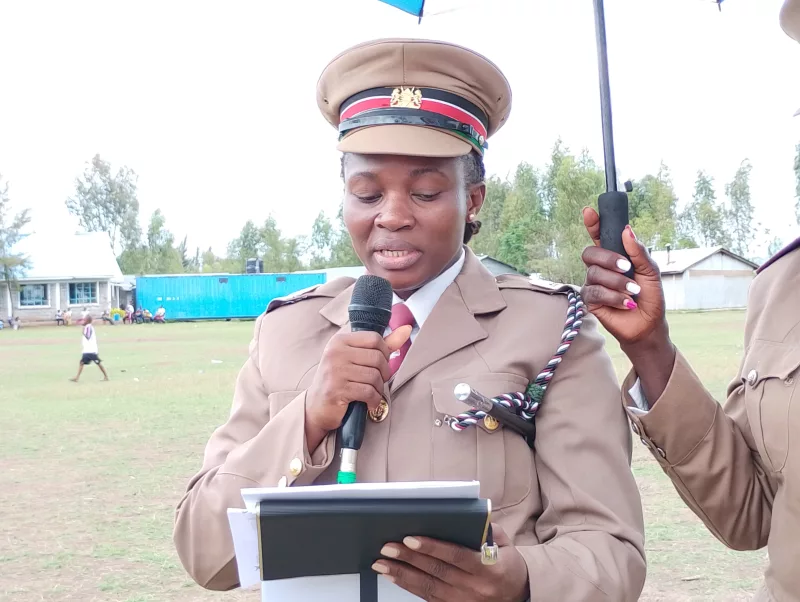
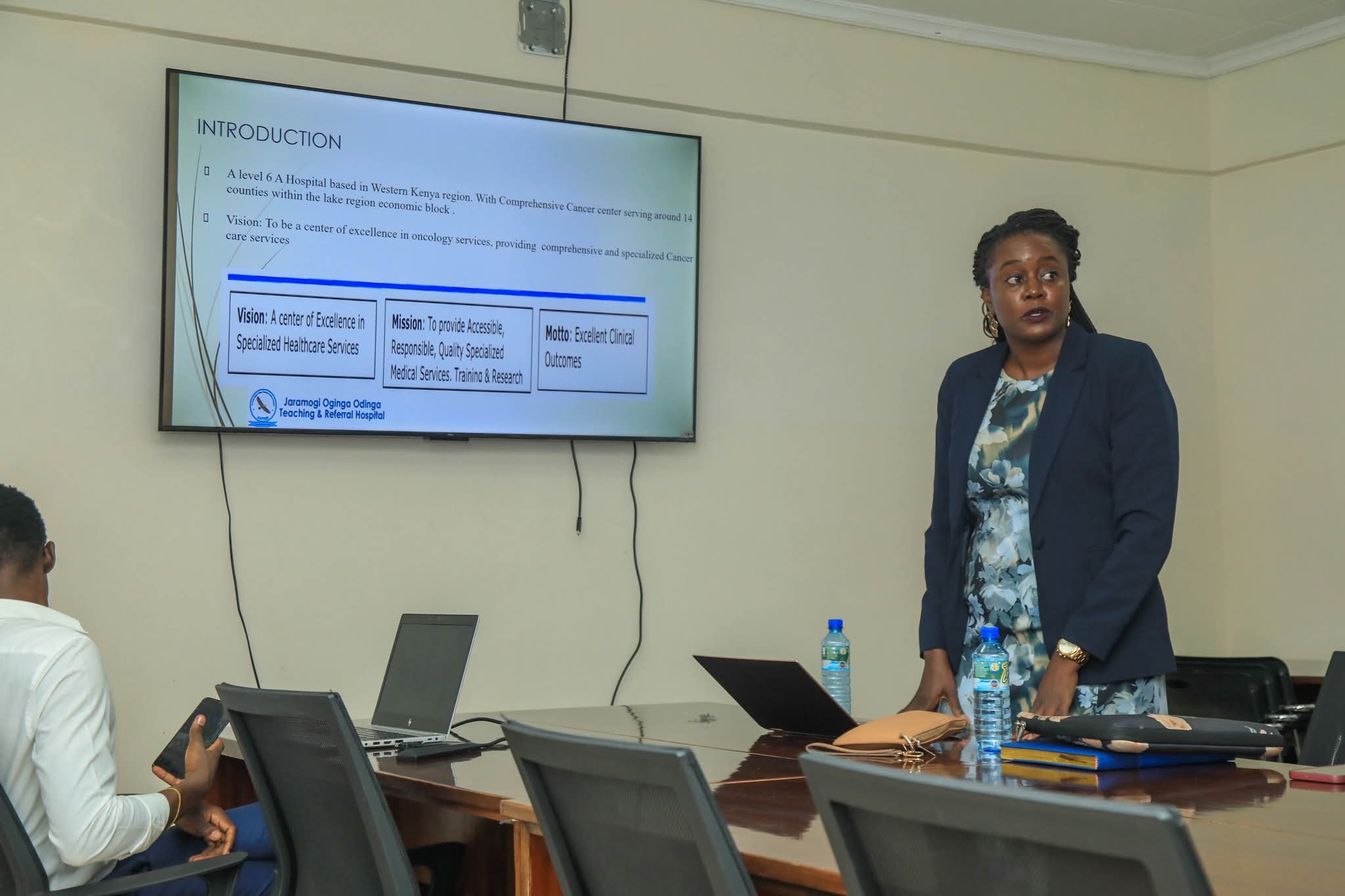
 Dr Fiona Adagi, a clinical oncologist and director of oncology and palliative care at JOOTRH./FAITH MATETE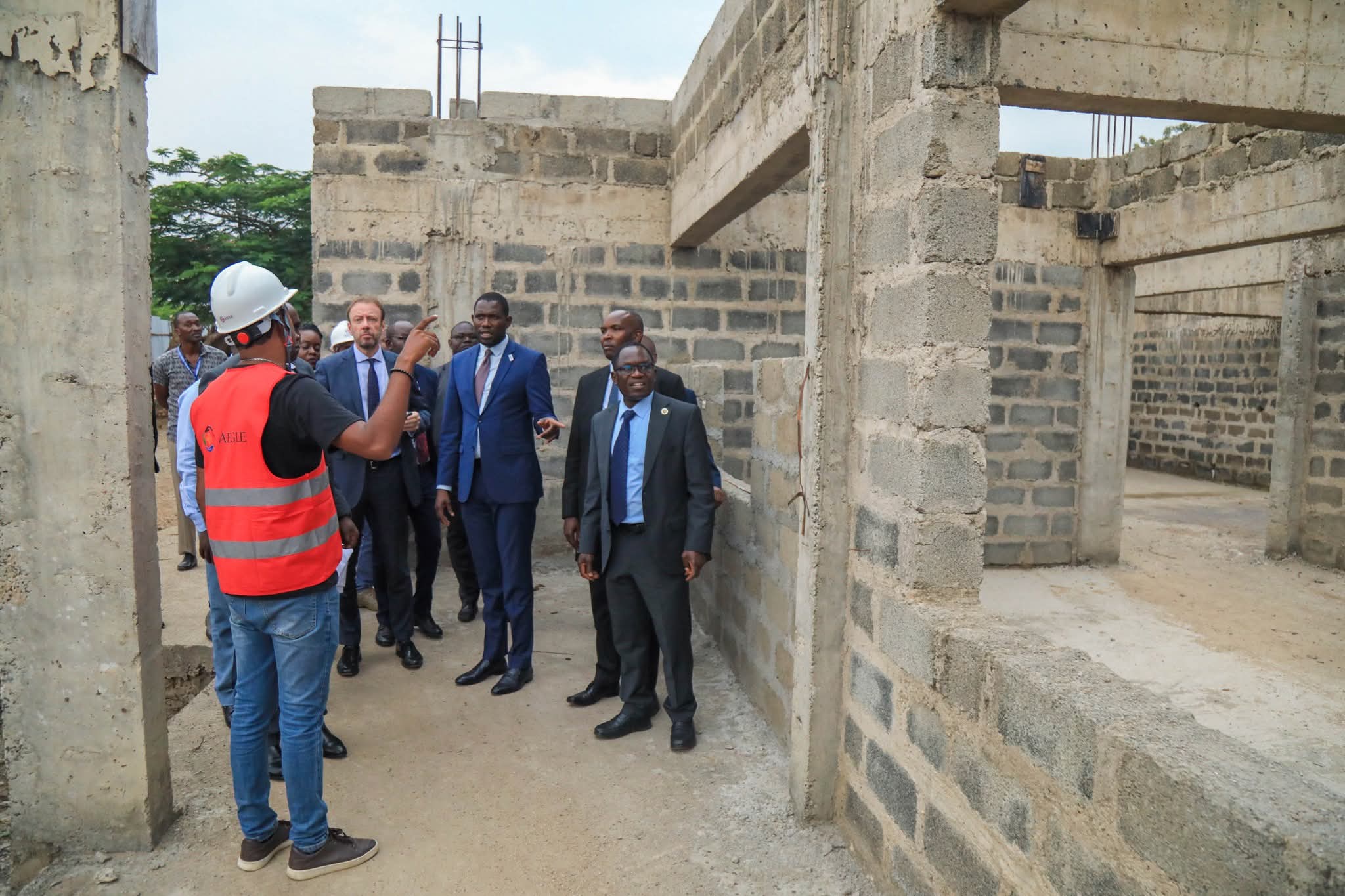
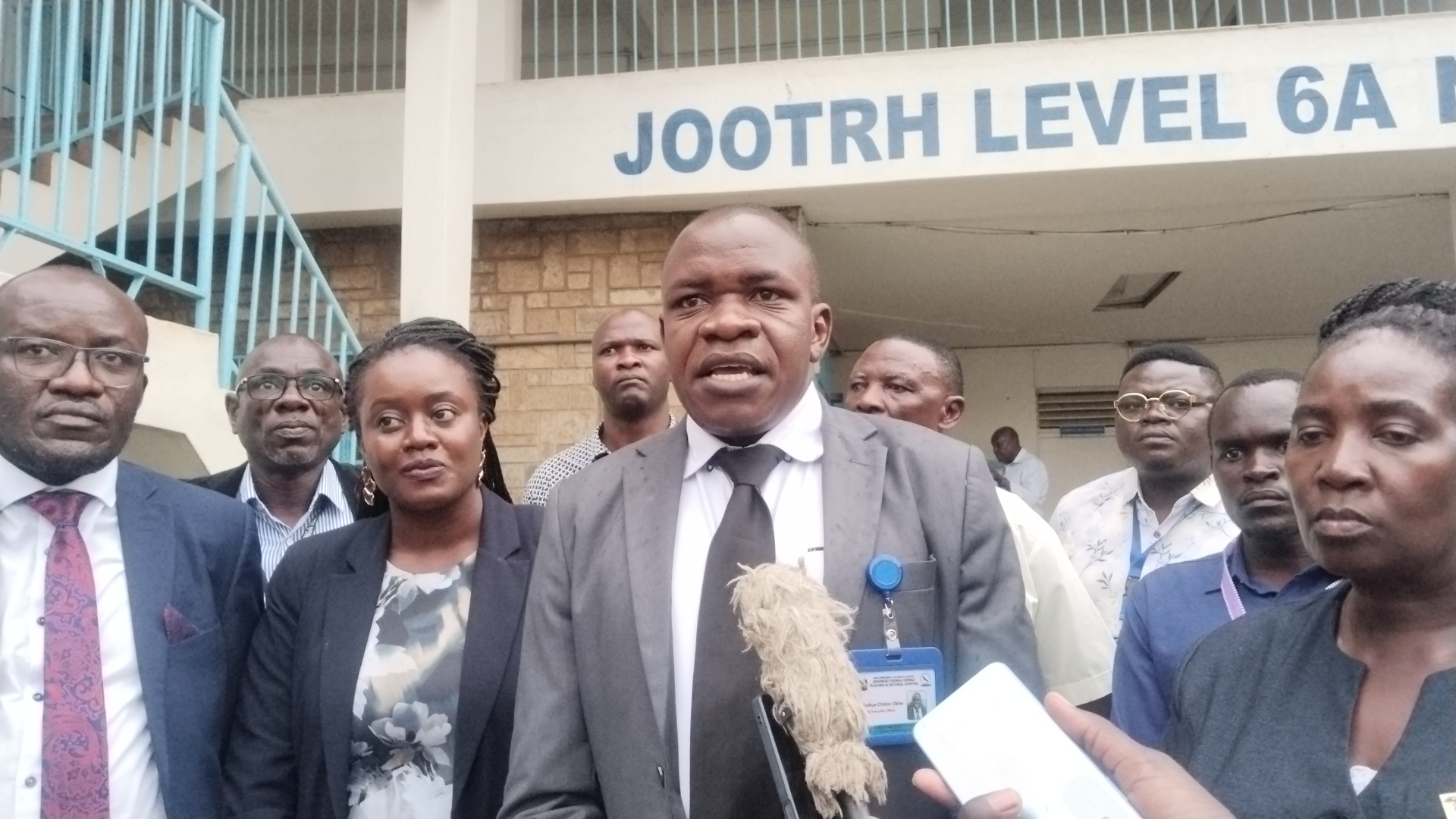
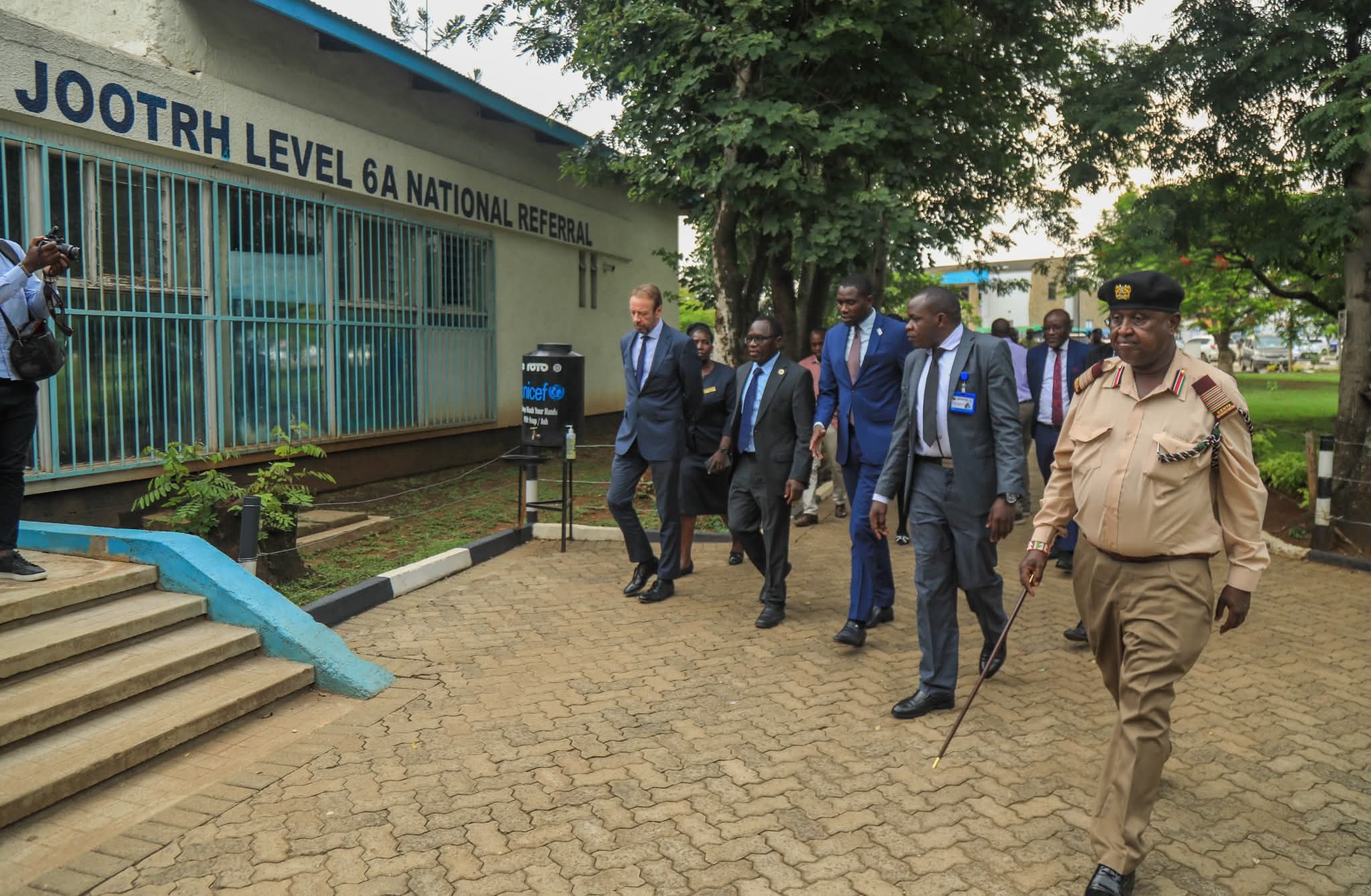 Medical Services PS Ouma Oluga, Broadcasting and Telecommunications PS Stephen Isaboke and Prof Graham Lord of King's College London, executive director of King’s Health Partners visit JOOTRH./FAITH MATETE
Health experts have raised concern over the growing cancer burden in the lake region.
They say many new cases are diagnosed annually at the Jaramogi Oginga Odinga Teaching and Referral Hospital (JOOTRH), with most patients presenting at advanced stages of the disease.
Data from JOOTRH shows cervical cancer remains the leading diagnosis at 1,038, accounting for 64 per cent of cases seen at the facility.
Oesophageal cancer ranks second with 596 cases. Breast cancer follows closely with 524 cases, while prostate cancer accounts for 339 cases.
Dr Fiona Adagi, a clinical oncologist and director of oncology and palliative care at the hospital, said the institution recorded about 500 new cancer cases in 2025 alone.
According to the Angaza Dashboard, which tracks cancer cases in the region from 2011 through 2025, Kisumu has recorded 4,394 cases.
“Most of our patients present in stage three and four, though we also see some in stage one and two,” she said, noting that a significant proportion of cervical cancer patients are also HIV positive.
According to the hospital’s cancer dashboard, women are the most affected, with many presenting at an average age of 40 years, while male patients tend to present at age of 60 years.
However, treatment continuity remains a major challenge.
About half of the patients are lost to follow-up, largely due to financial constraints, cultural beliefs and difficulties navigating referral systems.
“We have put measures in place to track our patients and improve follow-up, even for those who present late,” Adagi said.
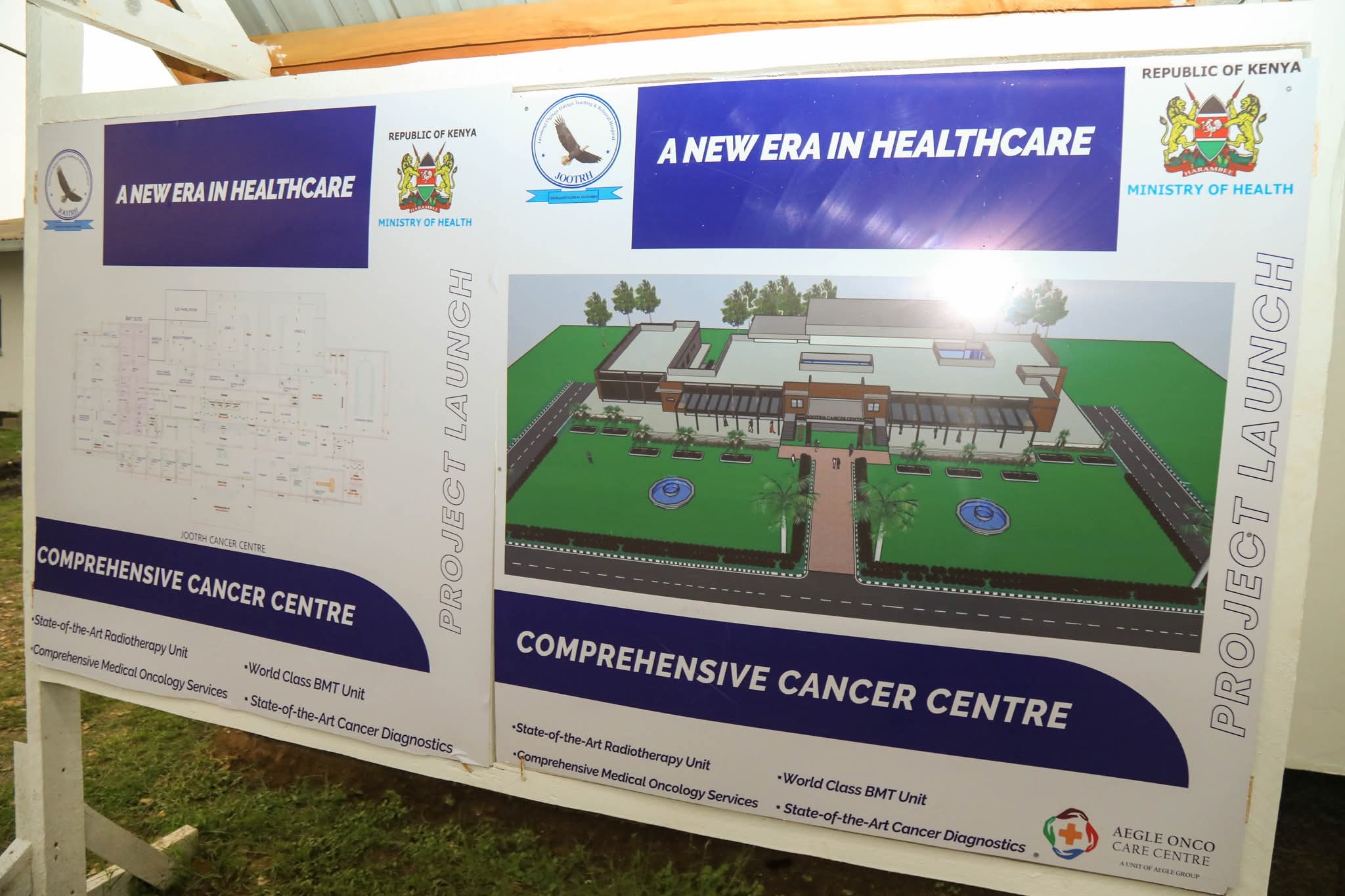
“We want to be a centre of excellence that provides comprehensive cancer care, that is chemotherapy, radiotherapy as well as surgical oncology. There is construction ongoing and we are hopeful it will be complete by next year so that our patients are able to get quality care.”
At the moment, nearly 50 per cent of patients who require radiotherapy are referred to facilities in Eldoret, Nakuru and Nairobi.
This has often led to delays in treatment.
JOOTRH acting chief executive office Joshua Clinton Okise described the situation as heartbreaking.
“Imagine referring our cancer patients to Eldoret or Nairobi, and some of them never reach there because of navigation or cultural issues,” he said.
Okise said available data shows the region is losing many cancer patients in the community due to late diagnosis and limited access to specialised care.
To address this, the hospital has rolled out a community-focused initiative aimed at increasing cancer screening and early detection across the Lake Region Economic Bloc counties.
“We want to identify patients early, begin interventions early and improve survival outcomes,” he said.
The hospital’s long-standing plan to establish a comprehensive cancer centre has now received fresh momentum.
Okise said the national government has allocated nearly Sh500 million to complete the infrastructure for the comprehensive cancer centre, a project that began nearly a decade ago when the hospital was still under county management.
Once complete, the facility is expected to house chemotherapy, surgical oncology and radiotherapy services under one roof, significantly reducing the need for referrals outside the region.
Part of the ongoing discussions involves equipping the radiotherapy unit so it becomes operational by August or October this year.
The hospital also hosted a delegation led by Medical Services PS Ouma Oluga, officials from the National Cancer Institute of Kenya (NCIK) and representatives from King's College London.
Joel Omino from NCIK said the partnership aims to expand diagnostic and treatment capacity at JOOTRH and transform it into a centre of excellence for cancer management.
“This collaboration will focus on strengthening diagnostic and treatment capabilities, as well as training healthcare workers in oncology,” he said.
The partnership will also support fellowships and academic scholarships for hospital staff, with some set to receive advanced training in London.
In addition, plans are underway to establish a regional research centre focused on cancer and other chronic diseases, similar to an existing model in Nigeria.
The proposed centre would be based in Kisumu and serve the broader lake region.
Okise expressed optimism the collaboration would create a sustainable framework for research, training and specialised care.
“When our staff go for fellowship and return, they will come back with more knowledge and expertise to serve our people,” he said.
For a region grappling with high rates of cervical and other cancers, health officials say the combined investment in infrastructure, research and human resource development could mark a turning point in the fight against the disease.
If completed and equipped as planned, the comprehensive cancer centre at JOOTRH is expected to ease patient suffering, cut referral delays and bring life-saving cancer treatment closer to home.