The long-delayed cancer centre at Jaramogi Oginga Odinga Teaching and Referral Hospital nears completion, bringing specialised oncology services to western Kenya and cutting long-distance travel.
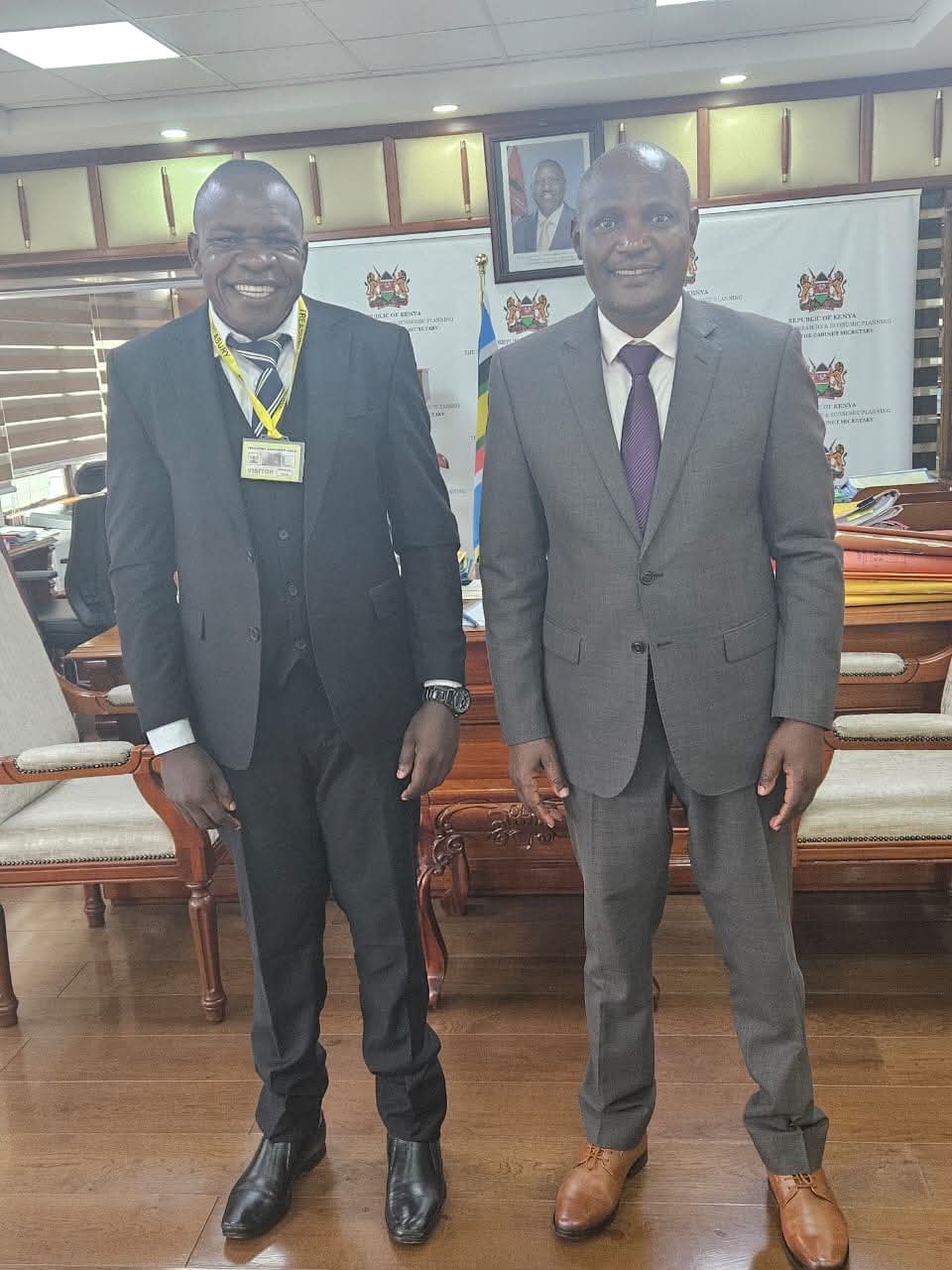
The funding was confirmed following a consultative meeting in Nairobi between the hospital’sacting CEO Dr Joshua Okise and John Mbadi, the Cabinet Secretary for National Treasury and Economic Planning.
Once operational, the cancer centre is expected to significantly reduce the number of patients forced to travel to Nairobi or Eldoret for oncology services.
Currently, many cancer patients from the lake region seek treatment at facilities such as Kenyatta National Hospital and Moi Teaching and Referral Hospital, often at high financial and emotional cost.
Dr Okise said the new facility will enable JOOTRH to deliver specialised oncology services locally, in line with its mandate as a level six institution.
“Our responsibility is to provide highly specialised care. The completion of the cancer centre strengthens our capacity to serve not just Kisumu county, but the entire lake region and neighbouring counties,” he said.
The hospital’s expanded capacity is already reflected in a sharp decline in referrals.
Dr Okise said that in the past, between 60 and 79 complex cases were referred to other national facilities within a given period.
“That figure has now dropped to three, following a major recruitment drive and investment in modern equipment. Staff numbers have grown from 500 to 1,300, including the addition of neurosurgeons, orthopaedic surgeons and specialists in plastic, maxillofacial and cardiovascular surgery.”
JOOTRH has also acquired more than 350 pieces of advanced medical equipment, including specialised tools for Ear, Nose and Throat and neurology services.
The introduction of minimally invasive procedures such as laparoscopy has shortened hospital stays and improved recovery outcomes for patients.
According to Dr Okise, improved services are reflected in patient outcomes.
The hospital’s average daily mortality rate has declined from 14 deaths to five, a change he attributed to strengthened critical care services, specialised expertise and upgraded technology.
Financially, the hospital now operates on a Sh3.2 billion budget supported by the national government.
This, the management says, has enabled timely payment of local suppliers and increased procurement within the region, injecting resources into the local economy.
Several infrastructure projects that had stalled for years are also nearing completion, including a ramp linking Ward 3A and 3B and the installation of lifts serving the intensive care unit and operating theatres.
In addition, cost-cutting measures such as rainwater harvesting have been introduced to reduce utility expenses and redirect savings to essential medical supplies.
The hospital is also preparing to make operational a new kitchen, doctors’ suites and the Obama Neonatal and Paediatric ICUs,moves expected to enhance maternal and child healthcare services across the region.