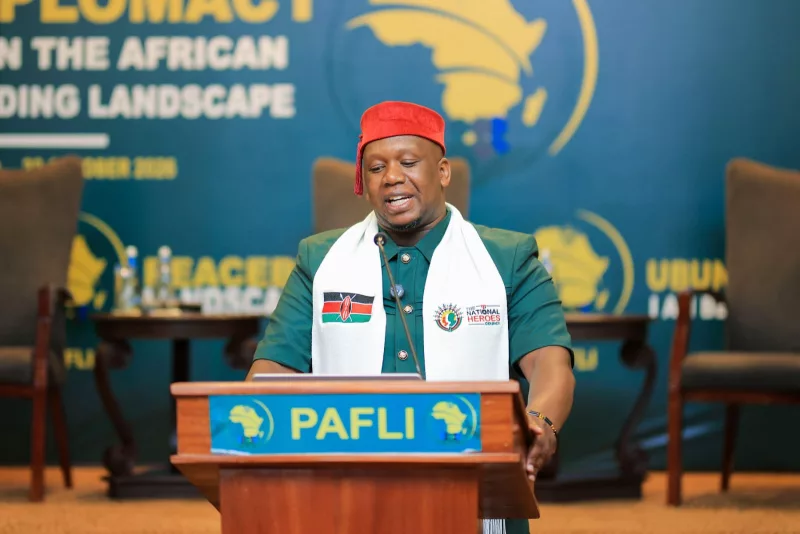
Businessman Jimal Ibrahim Hassan, popularly known as Jimal Rohosafi, has sparked a fresh conversation on social media regarding women and financial independence.
The prominent entrepreneur took to his Instagram stories to share a blunt piece of advice for his female followers, challenging the notion that a wealthy partner is the solution to financial struggles.
The message, shared with his large online audience, suggests that true stability comes from individual effort rather than a romantic connection to wealth.
The Message on Self-Reliance
In a brief but pointed post, the businessman addressed the common social aspiration of finding a monied man to escape economic hardship. He argued that personal wealth is the only sustainable way to end poverty.

“Dear ladies, poverty ends when you have your own money, not when you get a man who has money...” Jimal advised.
The statement emphasises a shift away from dependency. It highlights the idea that relying on a partner’s resources does not actually solve the root cause of an individual's financial status.
Who is Jimal Rohosafi?
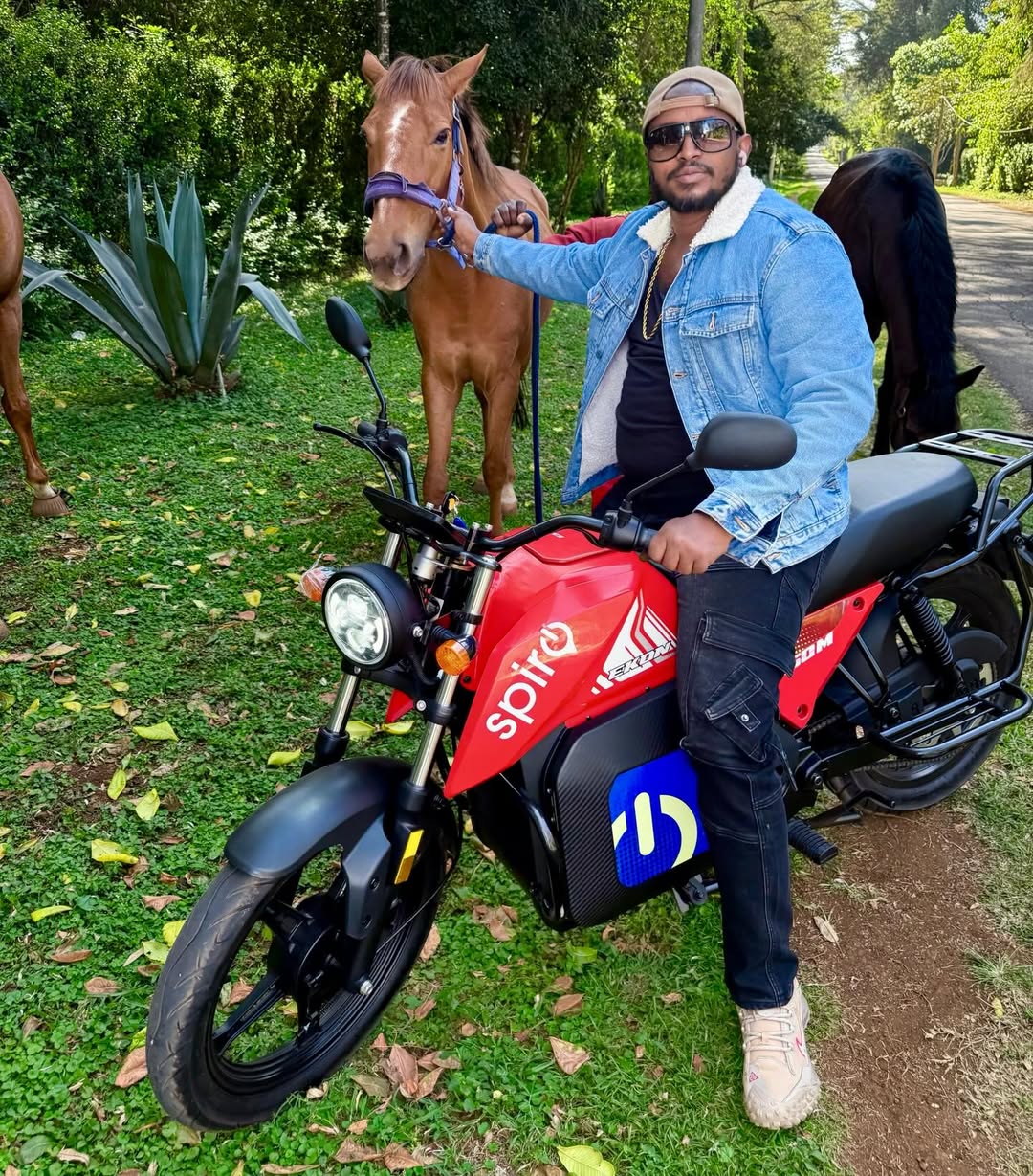
For those unfamiliar with the businessman, Jimal is a well-known figure in Kenya’s transport and financial sectors. He serves as the Chairman of the Association of Matatu Operators and is the CEO of Huduma Credit, a micro-lending company.
Beyond his business interests, he has become a fixture in Kenyan entertainment news. His personal life and high-profile relationships have often been the subject of intense public scrutiny.
Due to this visibility, his views on relationships and finances often go viral, reaching a broad demographic of young people.
The Context of the Conversation
Jimal’s comments come at a time when the "soft life" culture—a social media trend showcasing luxury lifestyles often funded by others—is heavily discussed across Africa.
While the post was brief, it aligns with a growing movement of entrepreneurs who advocate for female empowerment through business ownership and professional careers.
Financial Realities and Statistics
While Jimal’s message focuses on individual agency, broader economic data provides context to the challenges women face. In Kenya,and across many developing economies, the gender wealth gap remains a significant issue.
According to data not included in the sources:
- Women-owned businesses comprise approximately 33% of Small and Medium Enterprises (SMEs) in Kenya.
- However, women often face a significant credit gap, making it harder to scale businesses compared to their male counterparts.
- The World Economic Forum’s Global Gender Gap Report frequently highlights that financial independence for women is a key driver for overall national economic growth.
The post has since been widely shared, continuing the debate on whether the path to prosperity is found in the boardroom or through social connections. For Jimal, the answer is strictly a matter of personal enterprise.