There is urgent need for practical reforms to unlock the vast potential of Africa’s aviation sector, officials have said.
The call came even as the Comesa Support to Air Transport Sector Development (SAT-SD) Programme enters a decisive phase ahead of its scheduled conclusion in December 2026.
Meeting in Mombasa for the 8th Technical Working Group and 5th Programme Steering Committee sessions, stakeholders said aviation is not merely a service but a strategic driver of regional integration, trade, tourism and economic transformation.
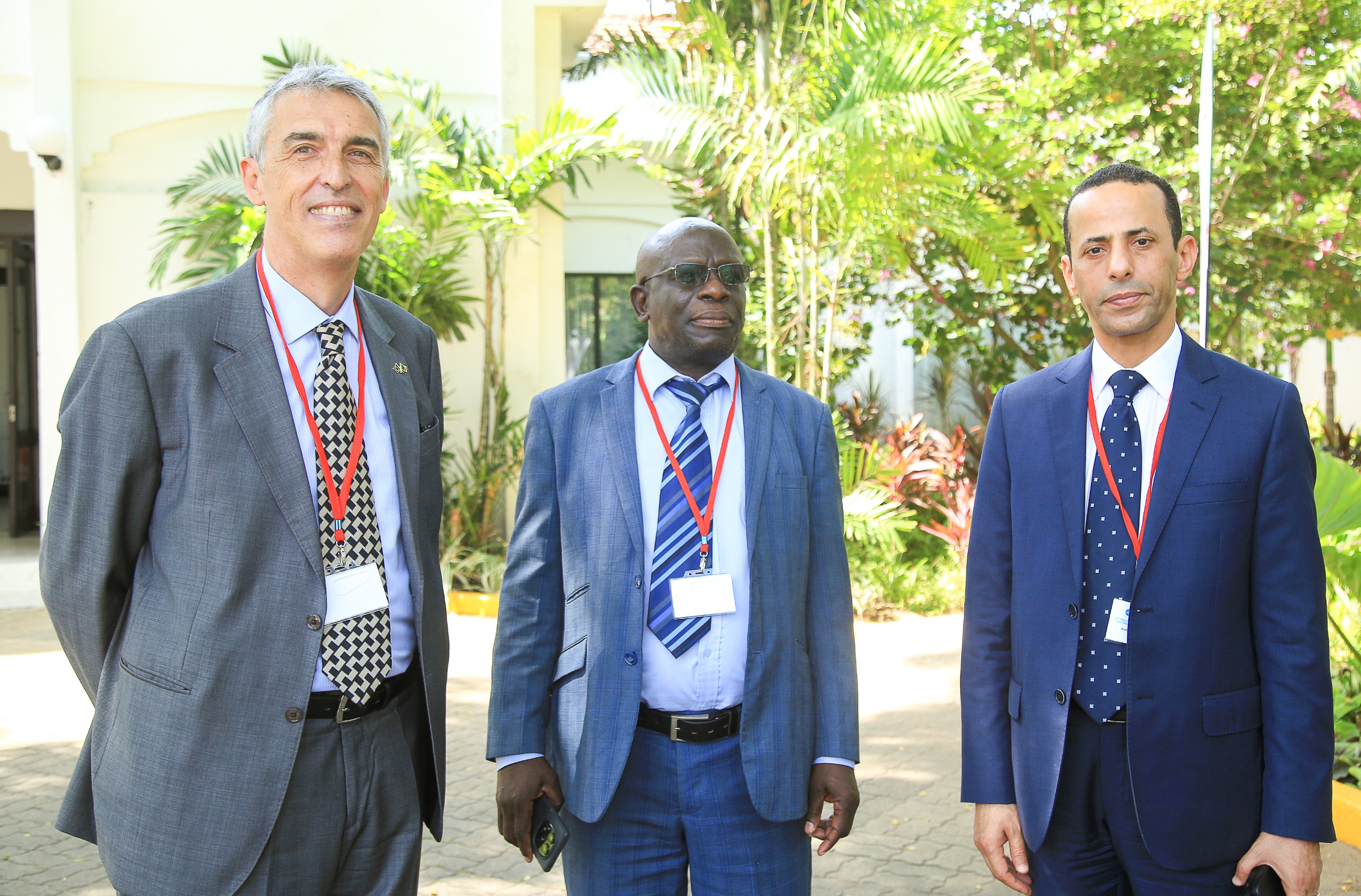
Claudio Bacigalupi, Head of Cooperation at the European Union delegation to Zambia and Comesa said the aviation sector holds significant growth potential for Africa, particularly for landlocked countries and value chains that depend on speed and reliability.
“In the aviation sector, this means supporting safe, efficient and competitive air transport systems that can connect people, markets and opportunities in a reliable manner,” he said.
Efficient air transport enhances regional and international connectivity, fosters trade, tourism and investment, and contributes directly to economic and social development, he said.
However, he cautioned that persistent financial and institutional capacity constraints continue to hinder the sector’s growth.
The EU official said there is need to align national policy and regulatory frameworks with international standards and to advance liberalisation in line with the Yamoussoukro Decision. The decision seeks to open up African skies.
“A predictable and harmoniased regulatory environment is essential to attract investment, strengthen oversight and ensure a level playing field among operators,” Bacigalupi said.
Harmonisation will reduce operational costs, enhance competition and build resilience.
While acknowledging the importance of SAT-SD, Bacigalupi admitted that during its first four years, results did not fully meet expectations.
In response, the EU agreed to extend the programme by two years to December 2026, subject to corrective measures.
Key deliverables completed in recent months include a baseline study, regulatory reviews to align national frameworks with the Yamoussoukro Decision, development of model bilateral air service agreements, and arrangements for flexible use of airspace.
“The priority now is to translate these documents into practical reforms and concrete implementation at national and regional level,” he said.
However, concerns remain over efficiency and resource allocation.
Of the €8 million (Sh1.2 billion) allocated to the programme, only half has been committed after six years, and approximately 40 per cent of total expenditure has gone to staff and project management costs.
“This ratio should be carefully monitored to ensure that the majority of resources directly support the achievement of results,” Bacigalupi said.
He called for an agreement on a realistic, results-oriented 2026 work plan and budget.
Mohamed Kadah, Assistant Secretary General (Programmes) at Comesa, described transport as a critical driver of economic and social development, linking people to jobs, education, health services and markets.
“Air transport plays a particularly strategic role in accelerating trade, tourism, investment and employment,” he said.
Yet many African states continue to grapple with inadequate infrastructure, fragmented regulatory frameworks, limited institutional capacity and gaps in safety and security oversight.
These weaknesses undermine connectivity and competitiveness, and limit member states’ ability to fully benefit from continental initiatives such as the Single African Air Transport Market and the African Continental Free Trade Area.
Kadah highlighted tangible progress under SAT-SD.
The programme supported South Sudan in implementing the revised Abuja Safety Target and helped the Democratic Republic of Congo advance performance-based navigation, including the revision of RNAV charts at N’djili International Airport in Kinshasa.
South Sudan has also completed and uploaded its State Aviation Activity Questionnaire to the ICAO online platform.
Tobias Odongo, Kenya’s Comesa Focal Point at the State Department for Trade, linked aviation directly to tourism and economic growth.
“Mombasa is our major tourist city, and since tourism relies so heavily on a robust air transport system, it is only fitting that we gather here to discuss the future of aviation,” he said.
Globally, aviation accounts for nearly 3.9 per cent of GDP, and for small island developing states alone, it supports close to two million jobs and contributes over $35 billion in GDP.
To sustain growth in the region, Odongo emphasised strengthening regulatory and institutional capacity, establishing fair competition regimes, enhancing consumer protection, reducing operational costs and improving air navigation efficiency.
He noted that African leaders have already laid out clear blueprints, including the Single African Air Transport Market and the Abuja safety targets.
The challenge now is coordinated implementation.
Kenya, he said, views the SAT-SD programme as essential to improving safety oversight, complying with ICAO standards and reinforcing its position as a regional aviation hub.
Recent aviation worker strikes in Kenya, which disrupted flights and stranded passengers, including some delegates, highlighted the sector’s vulnerabilities and the importance of strong, harmonised regional frameworks.
“The SAT-SD provides the necessary software, capacity building, regulatory harmonisation and technical exchanges, that makes our hardware effective,” Odongo said.