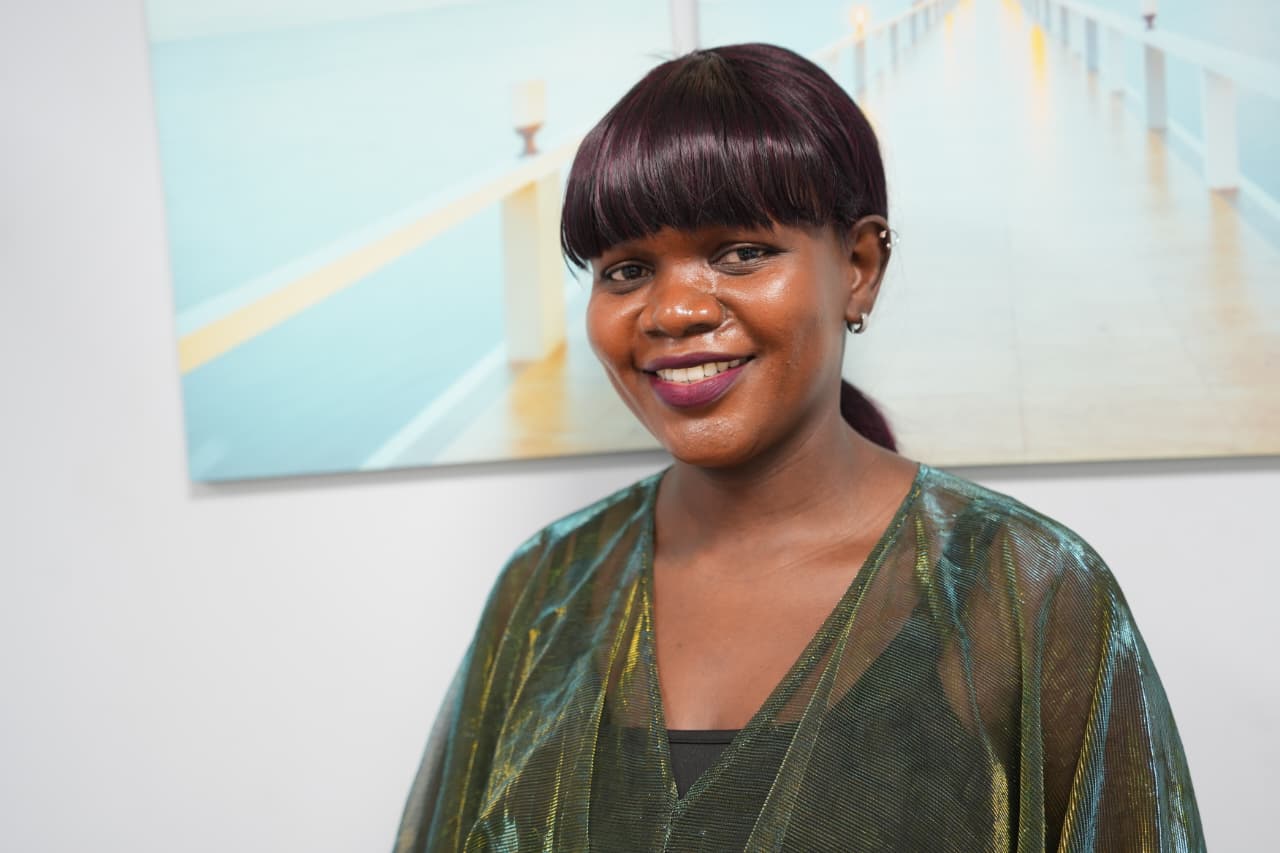
 Rahab Adhiambo works at the Office of Government Spokesperson/HANDOUT
For months, the idea of Kenya becoming “the Singapore of Africa” has sparked debate, excitement and doubts in equal measure.
Critics say the comparison is unrealistic, while supporters say it is bold, necessary and achievable.
But when facts are examined well, policies and early results under President William Ruto’s Kenya Kwanza administration, one conclusion is clear: “The Singapore dream is not just a fantasy but a vision.
To understand the vision, one must first clearly understand Singapore’s own journey to its current First World Status, which Kenya seeks to travel.
In the 1960s, under Lee Kuan Yew, Singapore’s founding Prime Minister, the country was a poor, resource-scarce island witha high unemployment rate and limited infrastructure, among other challenges it had to surmount to get there.
Today, it is a global hub for trade, finance, education, technology and manufacturing that is built through well-defined fiscal discipline, long-term planning, investment in people and strong institutions.
In the implementation of its Kenya Vision 2030, the country today mirrors where Singapore once stood.
A youthful population, strategic location regionally, entrepreneurial energy and vast untapped youthful potential are indicative pointers.
President Ruto’s leadership is anchored in the Bottom-Up Economic Transformation Agenda (BETA) a five-pillar strategy that is focused on Agriculture, MSMEs, Housing, Healthcare and the Digital and Creative Economy.
The Agenda encompasses the people-centred growth philosophy that powered Singapore’s rise.
Singapore modernised food systems through marketing efficiency, technology and logistics, which Kenya emulates through the provision of affordable fertiliser.
Production of maize, rice and tea has gradually increased, stabilising food prices and improving incomes.
Coffee and tea reforms are restoring dignity to farmers in Kiambu, Nyeri, Kericho, Nandi, and other areas, shifting agricultural production from subsistence to agribusiness.
Singapore’s rise was fueled by small enterprises and foreign investments with Kenya’s similar version being visible in every market and town through the MSME pillar of BETA.
For example, through the Hustler Fund, millions of boda boda riders, mama mbogas, jua kali artisans, salon owners and youth entrepreneurs now access affordable credit.
When a youth in Kisumu expands a phone repair shop or a tailor in Machakos buys a new machine, the economy grows from the bottom up just as Singapore’s did.
Singapore’s mass housing programme created jobs, steadied communities and built a middle class. Kenya’s Affordable Housing Programme is doing the same but with added advantage of being climate resilient.
Where slums once stood crowded, prone to floods and roofed with rusted iron sheets, new high rise buildings are now popping up forming estates with proper drainage, paved walkways, green spaces, street lighting and sanitation systems courtesy of Affordable and Social Housing Projects.
This is exemplified by the Mukuru kwa Njega slum that has really transformed into a modern estate characterised by storey buildings that have changed its ambience and general environmental appearance.
During floods, slums collapse into muddy traps of disease and displacement but affordable housing estates stand firm, protecting families, preserving dignity and offering beauty in a place that was once jagged.
In Nairobi, Mombasa, Kisumu, Nakuru and Eldoret and other areas across the country, these homes are not just shelters. They are engines of dignity.
Singapore’s transformation was driven by world-class roads, ports and airports, a form of infrastructure that Kenya is riding on, to lay a similar foundation.
The Rironi–Mau Summit Road is unlocking trade between western Kenya and the coast and saving millions of hours in lost productivity.
Other road projects include Isiolo-Mandera highway, Kenol-Marua road, Dongo Kundu Bypass and many others including those that are newly launched and this is how nations become global hubs.
Singapore invested early in healthcare. Kenya is now doing the same through the Social Health Authority (SHA) by which hospitals are being upgraded, new facilities put up and millions of citizens enrolled in.
Across all counties, families can now seek treatment without fear of financial ruin and this is an essential step towards a modern and productive society.
Singapore became a global tech hub. Kenya is positioning itself as Africa’s digital powerhouse through coding hubs, Fintech financing, creative industries and e-government.
The NYOTA Program is empowering youth with funding, skills upgrade, mentorship and digital access with a view to turning them into becoming entrepreneurs, job creators and innovators in turn placing Kenya into a future-ready position.
The Government is also expanding economic opportunities for Kenyans by investing in online jobs for the youth through digital hubs such as the Jitume Digital Hubs, while securing overseas employment opportunities to improve their livelihoods who in turn support families back here.
At the grassroots level, modern markets are being constructed for Mama Mboga traders, and Economic Processing Zones are being established to empower farmers and promote value addition.
These strategic investments are not just isolated projects; they are building blocks of a stronger, competitive economy.
We may not achieve the Singapore dream overnight, but it is these deliberate, baby steps that move Kenya an inch closer each day toward attaining true Singapore status, as we are not copying Singapore but are trying to become the best version of ourselves while emulating Singapore.
OGS: Rahab Adhiambo works at the Office of Government Spokesperson