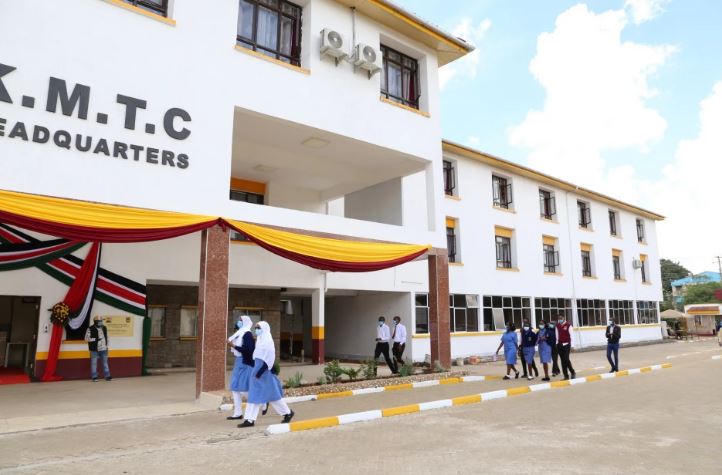
 The Kenya Medical Training College headquarters in Nairobi. Photo/FILE
The long-running battle over who should control the Kenya Medical Training College (KMTC) reached a breaking point on Tuesday, with a parliamentary committee demanding an immediate end to the "policy inconsistencies" that have plagued the institution for a decade.
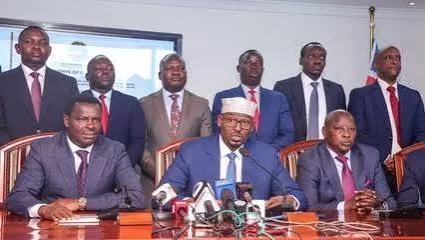
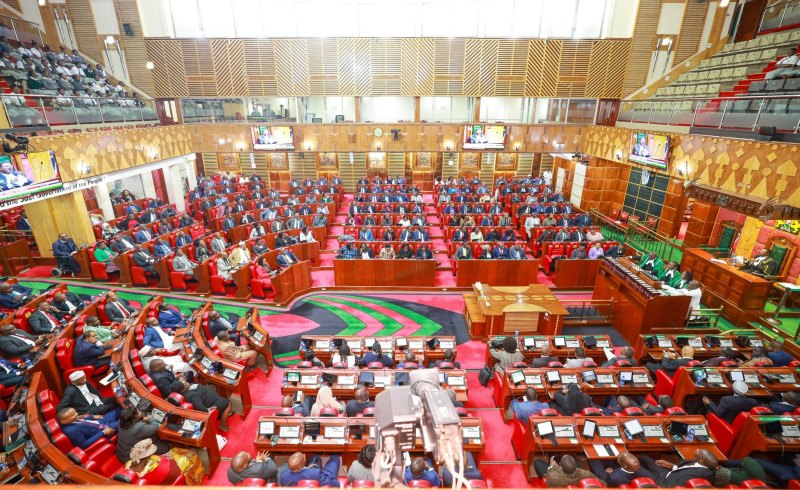
During a high-stakes meeting to consider the Budget Policy Statement, the National Assembly Departmental Committee on Health warned Health Cabinet Secretary Aden Duale that the constant tug-of-war between his ministry and the Ministry of Education is actively undermining the training, staffing, and delivery of healthcare services across the country.
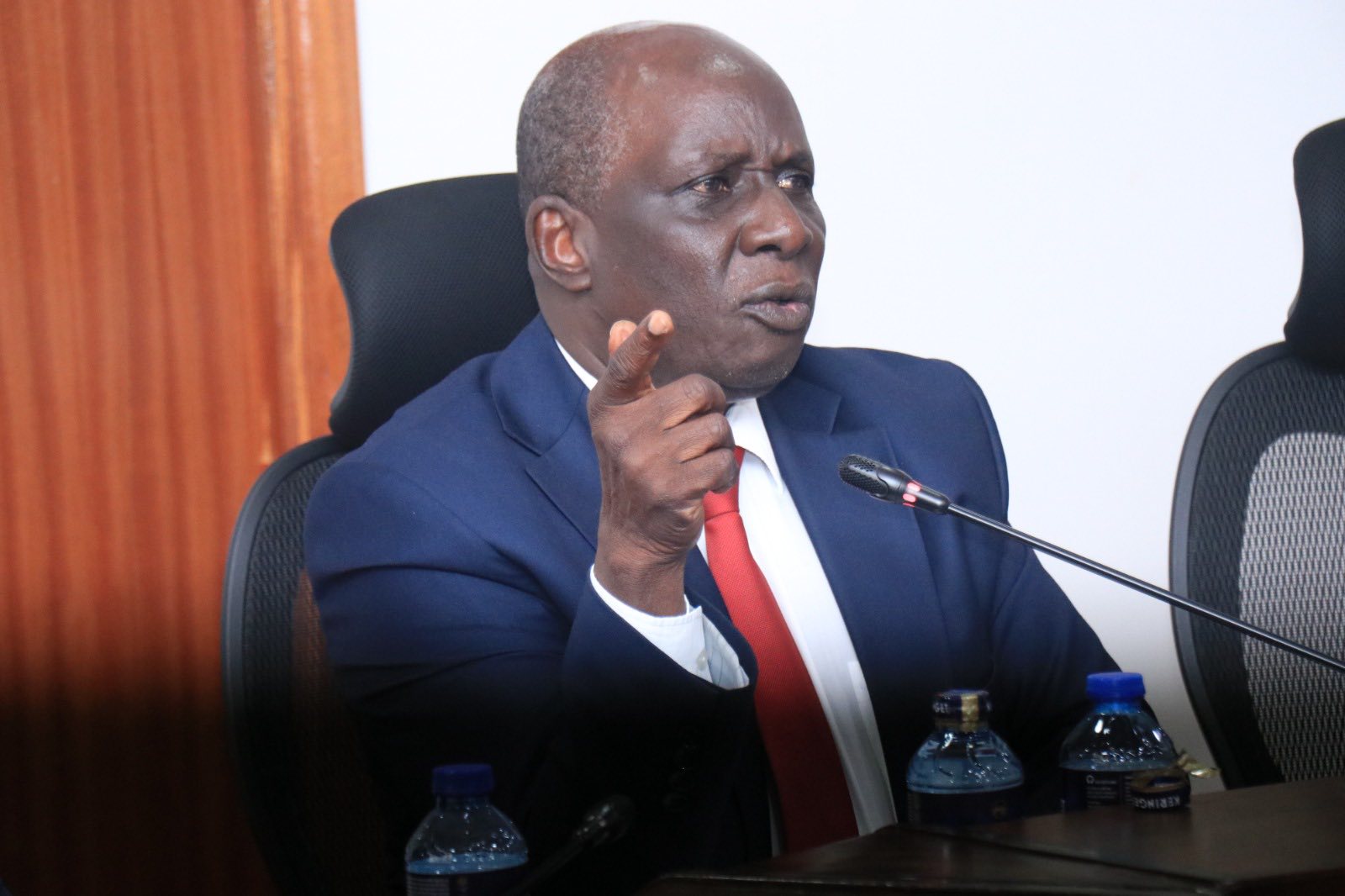 Seme MP and Chair of National Assembly Departmental Committee on Health, Dr James Nyikal, during the meeting on February 24, 2026./HANDOUT
Seme MP and Committee Chair, Dr James Nyikal, expressed deep frustration with the lack of clarity, pointedly asking the CS, “Who carries the function and who carries the money?” as he noted that Kenya can no longer afford to move back and forth on such critical health matters.
The heart of the dispute lies in a confusing overlap of mandates: while the Ministry of Health oversees the KMTC institutions and their professional standards, the actual placement of students is currently handled by the Kenya Universities and Colleges Central Placement Service (KUCCPS), which falls under the Ministry of Education.
Dr Nyikal observed that this dual system has created administrative chaos and pointed out that the Attorney General had already issued an advisory letter stating that KMTC should admit its own students.
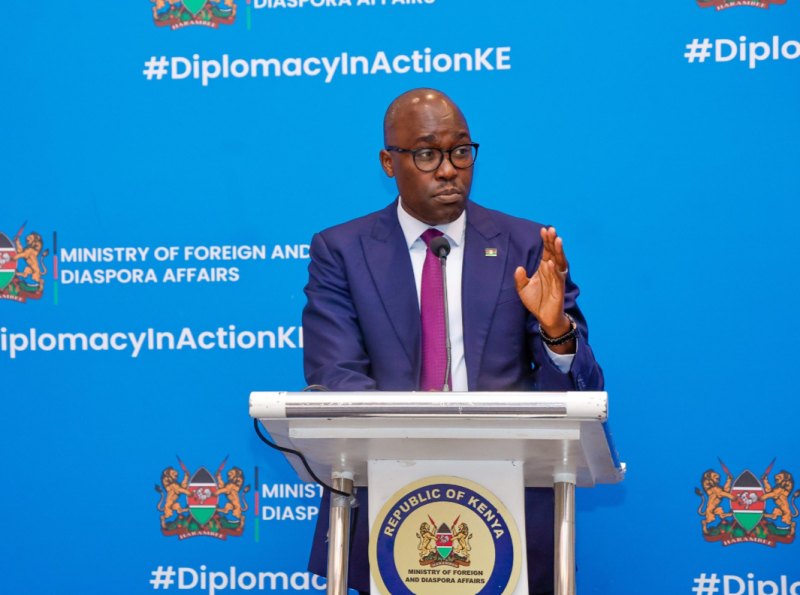
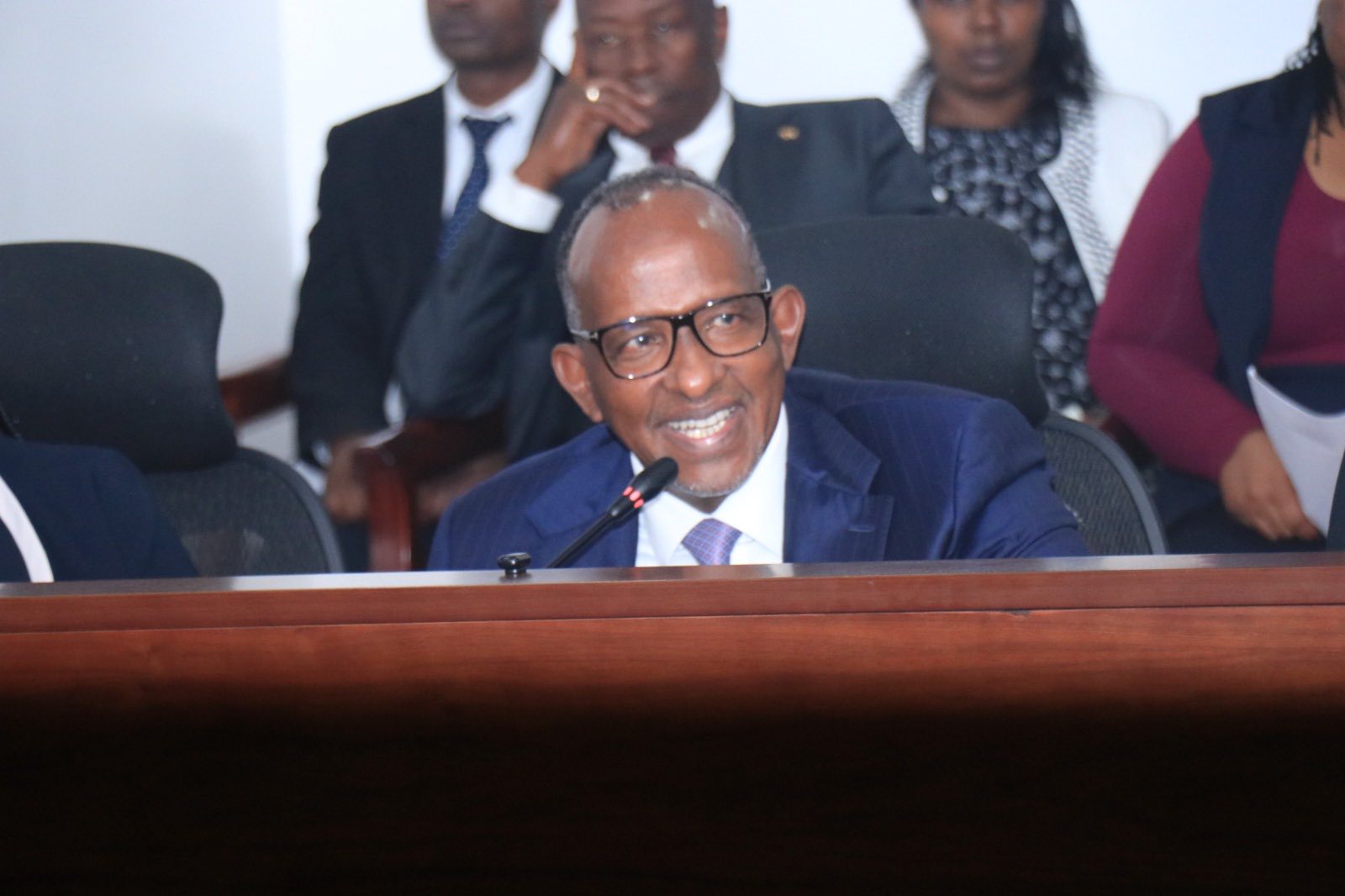 Health CS Aden Duale during the meeting on February 24, 2026./HANDOUT
“In your office, Honourable CS, there is an advisory letter indicating that KMTC should admit students. That advice followed a formal inquiry to the Attorney General,” Dr Nyikal said.
“It is now for you to execute at Cabinet level what is already lawful, unless the law is changed.”
In response, CS Aden Duale described the KMTC management crisis as a "hot potato" that has lingered for years, insisting that the responsibility for a permanent solution lies with the legislators.
“This matter has been there for about 10 years. If you want me to touch this hot potato, we must share it,” he said.
“Unless Parliament changes the law, what the courts are doing is legal, and it will not just disappear.”
"The people who change the law are you," Duale told the MPs, warning that until Parliament aligns the legal framework, the ministry must continue to operate within the existing, albeit confusing, court rulings.
He emphasised that while the Ministry of Education may technically own the institutions, the Ministry of Health must remain the link to the "health ecosystem" and curriculum to prevent commercial interests from compromising medical standards and damaging Kenya's international reputation.
He insisted that Parliament has previously resolved that registrars should be admitted based on national health needs rather than financial capacity, arguing that any policy favouring money in public institutions creates an unfair imbalance against those who cannot afford it.
Demanding a specific budget line for these training slots, Dr. Nyikal argued that paying registrars for their labor is a fundamental human rights issue.
This sentiment was echoed by Moyale MP Guyo Jaldesa, who criticised the ministry for stopping salary and fee payments for doctors in the collegiate system, despite the vital services they provide while specialising to fill gaps in the counties.
“When we started the collegiate system, it was to address specialist gaps. Doctors train while working. For the years they are in training, they are offering services. Previously, the Ministry paid their salaries and fees. Now that is no longer happening, and that is questionable,” he said.
Duale concluded by promising to seek further advice from the Attorney General and the Head of Public Service to finally resolve the legal impasse.