The initiative is aimed at cushioning communities from the effects of drought.
The county government had already repaired and restored 11 boreholes across the county, reviving water supply for households, livestock keepers, and small businesses that rely on the resource for survival.The county’s Department of Water and Sanitation is undertaking the programme.
The rehabilitated sites include Bubisa (Gafarsa), Oldonyiro, Rumate Oldonyiro, Rapsu, LMD 1 and 2, Attir, Urura and Lafee in Cherab, Taiboto and Range Borehole in Garbatulla.
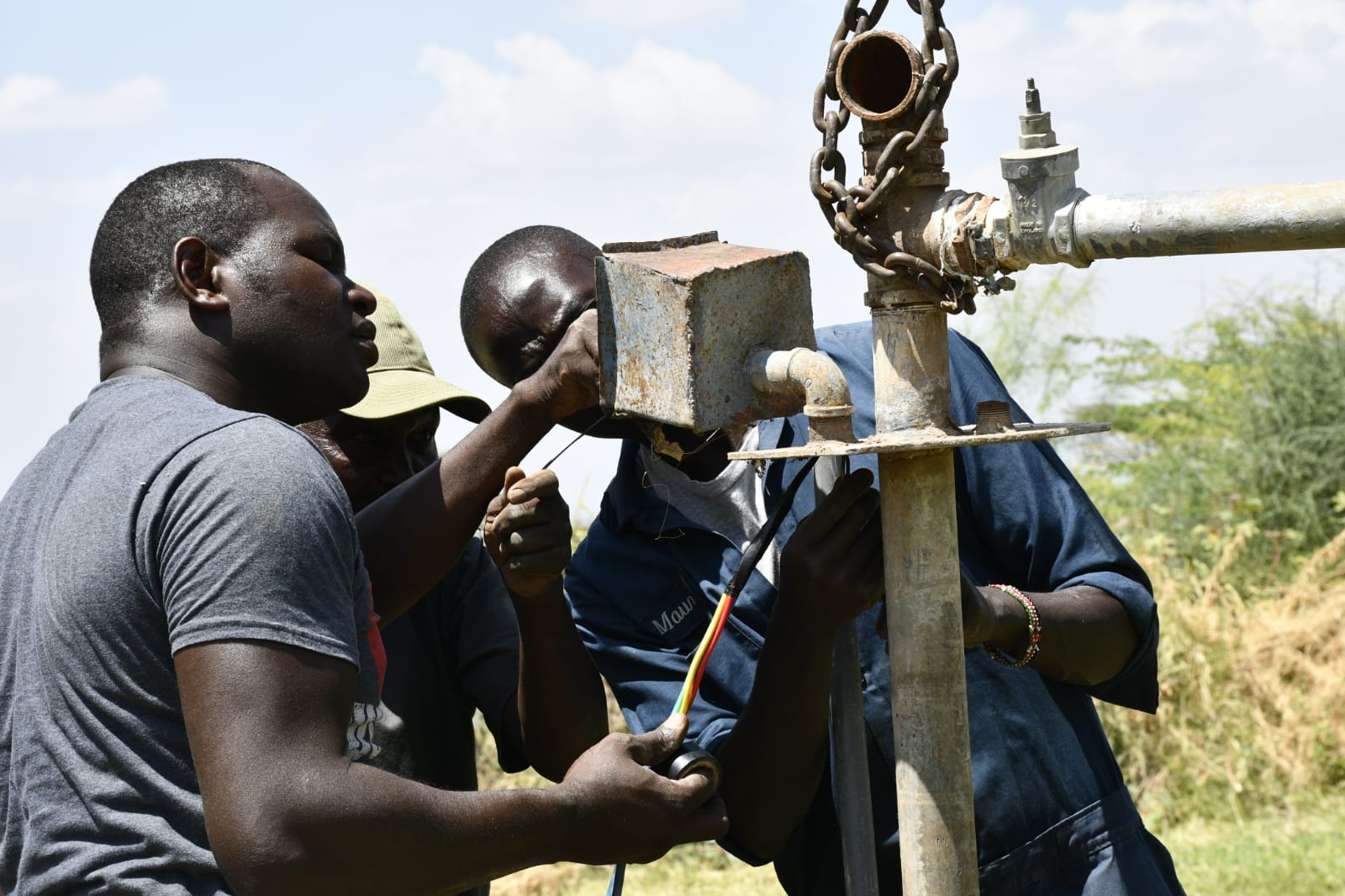
County engineers replaced worn-out pumps and motors, installed new controller units and cables, serviced generators, repaired pipelines and storage tanks, and cleaned solar panels to enhance efficiency.
Power and water level sensors were also fitted to improve monitoring and reduce breakdowns, a move officials say will cut maintenance costs and ensure faster response to faults.
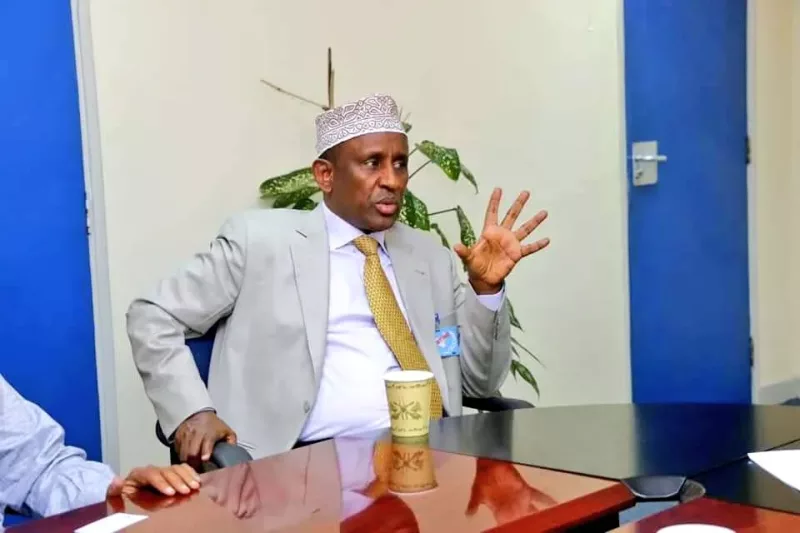
“This intervention is about restoring dignity and protecting livelihoods. Water is not a luxury in Isiolo but a lifeline for our people and their livestock,” Governor Abdi Guyo said.
He said the county was focusing on practical and sustainable solutions to long-standing water shortages by combining rehabilitation of existing infrastructure with expansion into underserved areas.
Alongside the repairs, the county has drilled five new boreholes in Aragai and Akareterete in Ngaremara ward, Kulamawe town in Kinna ward, Shambani in Burat ward and Merti in Cherab ward.
Water samples from the new sources have been submitted for quality testing to ensure they are safe for domestic and livestock use.
County officials said additional priority sites have already been identified for the next phase of drilling, including Chumvi, Attan, Qooti Koree, Machalo and Matagari in Garbatulla.
The programme comes at a critical time as pastoral communities continue to grapple with erratic rainfall and shrinking water points that have previously forced families to trek long distances in search of water.
Restoring strategic boreholes would reduce pressure on existing sources and minimise conflict over scarce resources.
“Reliable water points will keep livestock closer to settlements, improve hygiene and allow economic activities such as small-scale trade to thrive,” a senior county officer said.
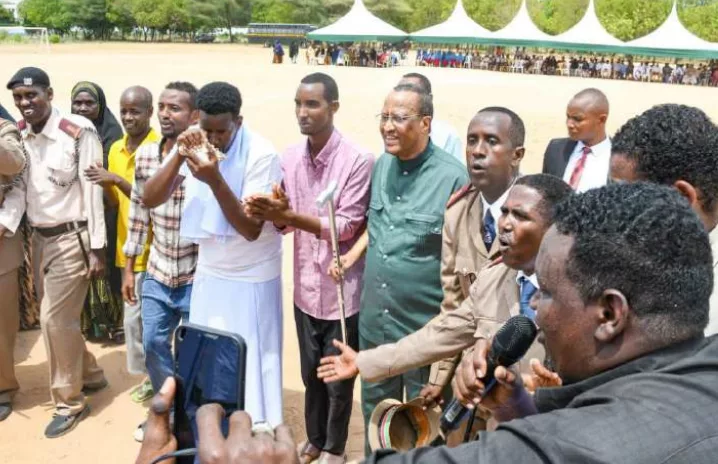
Local leaders have welcomed the initiative, noting that functional water systems will boost school attendance and health outcomes, particularly for women and children who often bear the burden of fetching water.
Guyo said the county would continue investing in monitoring systems and preventive maintenance to avoid frequent breakdowns that have historically disrupted supply.
“We are not just fixing boreholes; we are building a resilient water system that can withstand drought and serve our communities consistently,” he said.
The water programme forms part of the county’s broader drought mitigation strategy aimed at safeguarding livelihoods, strengthening climate resilience and improving service delivery in remote and hard-to-reach areas.
With more projects in the pipeline, residents are hopeful that sustained investment in water infrastructure will ease the perennial shortages and support economic recovery in one of Kenya’s arid regions.
INSTANT ANALYSIS
Isiolo County’s water programme reflects a targeted drought-response strategy combining rehabilitation of existing boreholes with expansion into underserved areas. By restoring 11 water points and drilling five new ones, the county is improving reliability, reducing travel time for water, and supporting pastoral livelihoods. Installation of sensors and preventive maintenance signals a shift toward sustainability and cost efficiency. However, long-term impact will depend on consistent maintenance funding, timely water quality testing, and equitable distribution across wards. If implemented effectively, the initiative can enhance climate resilience, reduce resource-based conflicts, and improve health and economic outcomes, positioning Isiolo County as a model for adaptive water governance in arid regions.