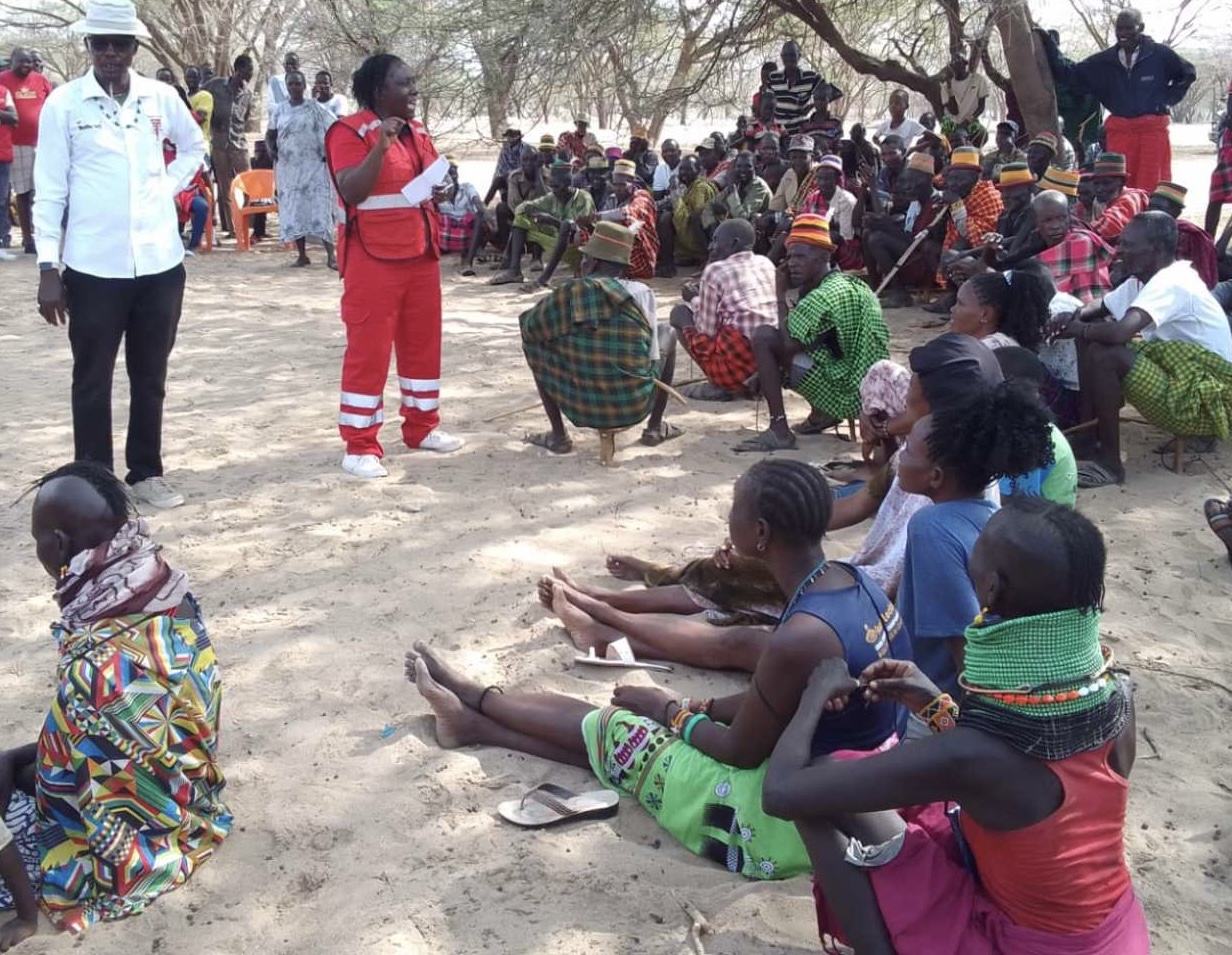
 Turkana county and Red Cross officials carrying out an assessment exercise for families affected by drought and famine in the region.
Turkana county has partnered with the Kenya Red Cross Society, with support from the Danish Red Cross, to register families most affected by famine for a cash transfer programme.
The week-long registration enrolled more than 2,000 vulnerable households.
The programme aims to strengthen food security and provide supplementary support to 10 schools in Suguta and Lokori Kochodin.
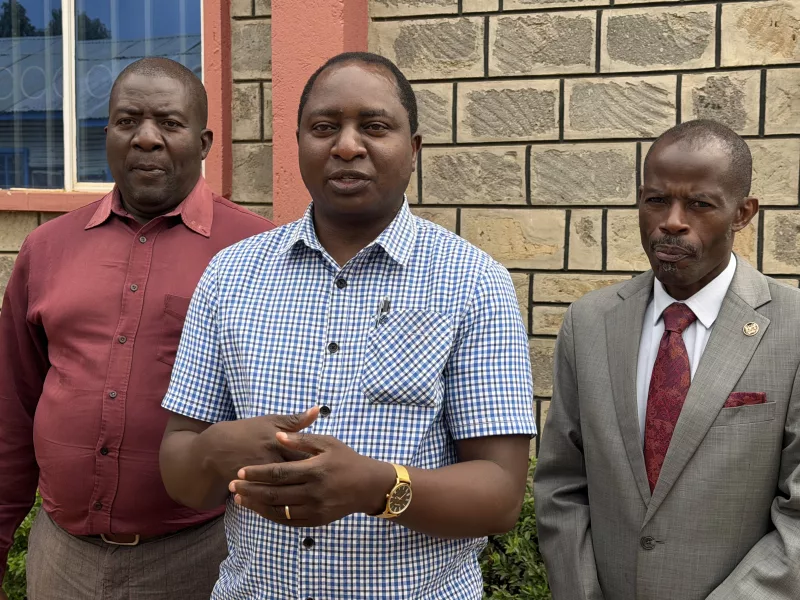
Public Service, Administration and Disaster Management executive Patrick Losike highlighted the urgency of the crisis.
He said prolonged drought has created acute humanitarian challenges.
The initiative is coordinated through the County Steering Group to ensure coverage without duplication of efforts.
Recent surveys show that recurrent drought, resource scarcity and weak early warning mechanisms are increasing vulnerabilities among pastoralist communities in Turkana, West Pokot county and Uganda’s Karamoja region.
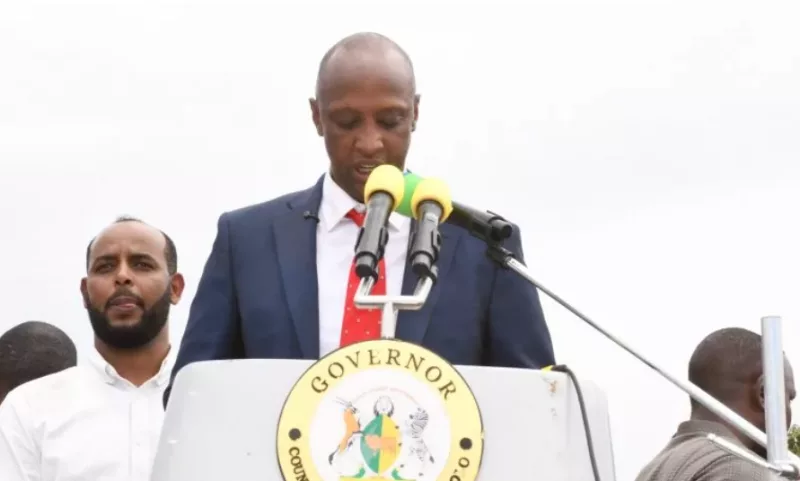
Deputy Governor John Erus said dwindling water and pasture resources are directly linked to rising inter-community tensions and threats to livelihoods.
A study commissioned by the Danish Refugee Council involved 580 respondents across six project areas. It provided baseline data to guide the Karamoja Strong programme.
The study highlights cross-border vulnerabilities and calls for coordinated resilience measures, including peace-building, early warning systems and sustainable fodder production.
Turkana is also pursuing private sector-led approaches by allocating land for animal feed cultivation to complement humanitarian interventions.
DRC Kenya country director Simon Nzioka and DRC Uganda country director Samuele Otim said the study provides a framework for targeted interventions.
They noted that drought response must be integrated with community cohesion, cross-border coordination and long-term resilience planning.
The programme signals a strategic shift towards data-driven, collaborative approaches to mitigating famine and climate-induced shocks in the Horn of Africa.
It balances immediate humanitarian relief with sustainable livelihood support and conflict-prevention measures.