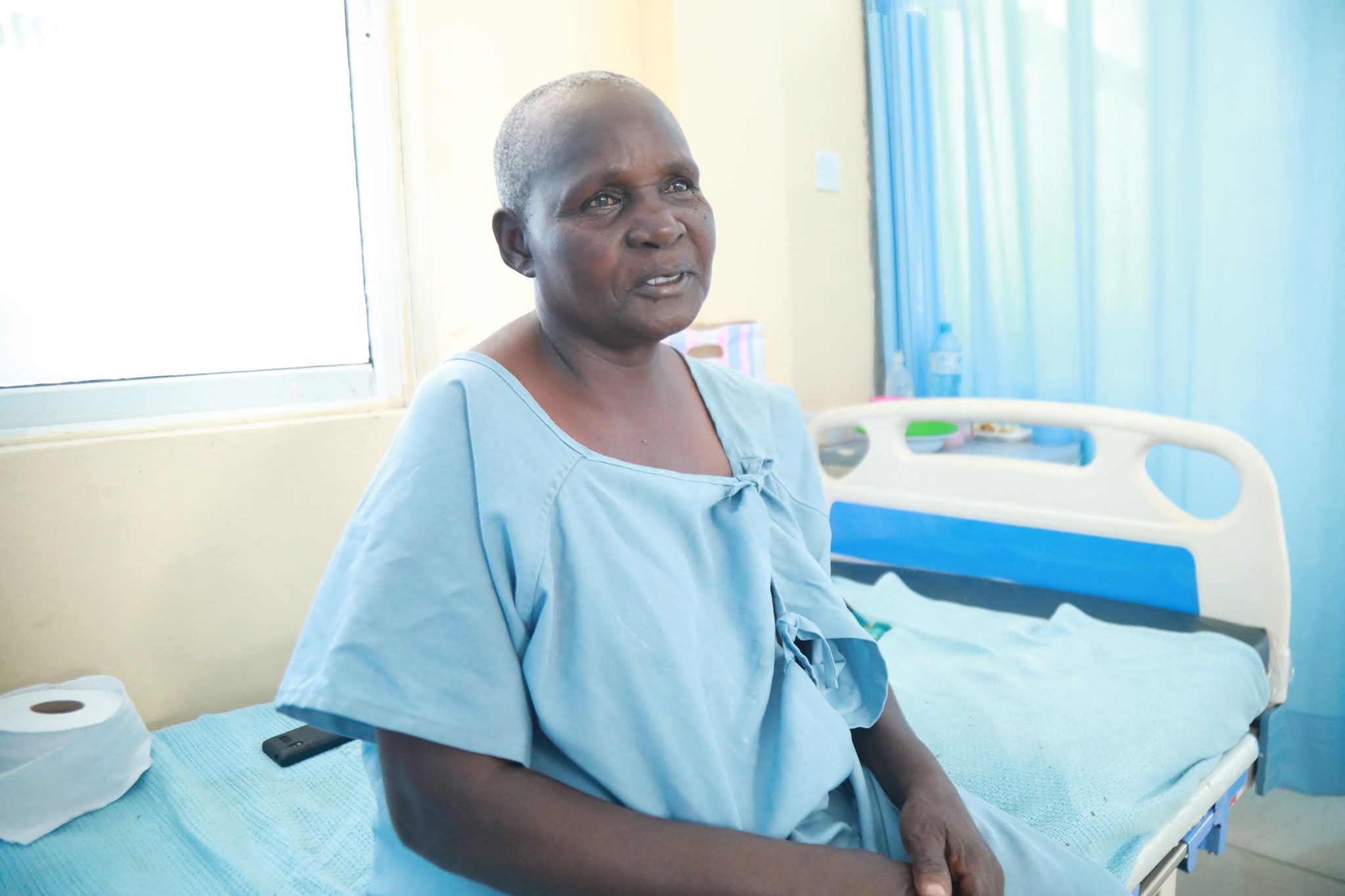
 67-year-old Margaret Onyango’s recovering after surgery during the Neuro Camp at JOORTH./FAITH MATETE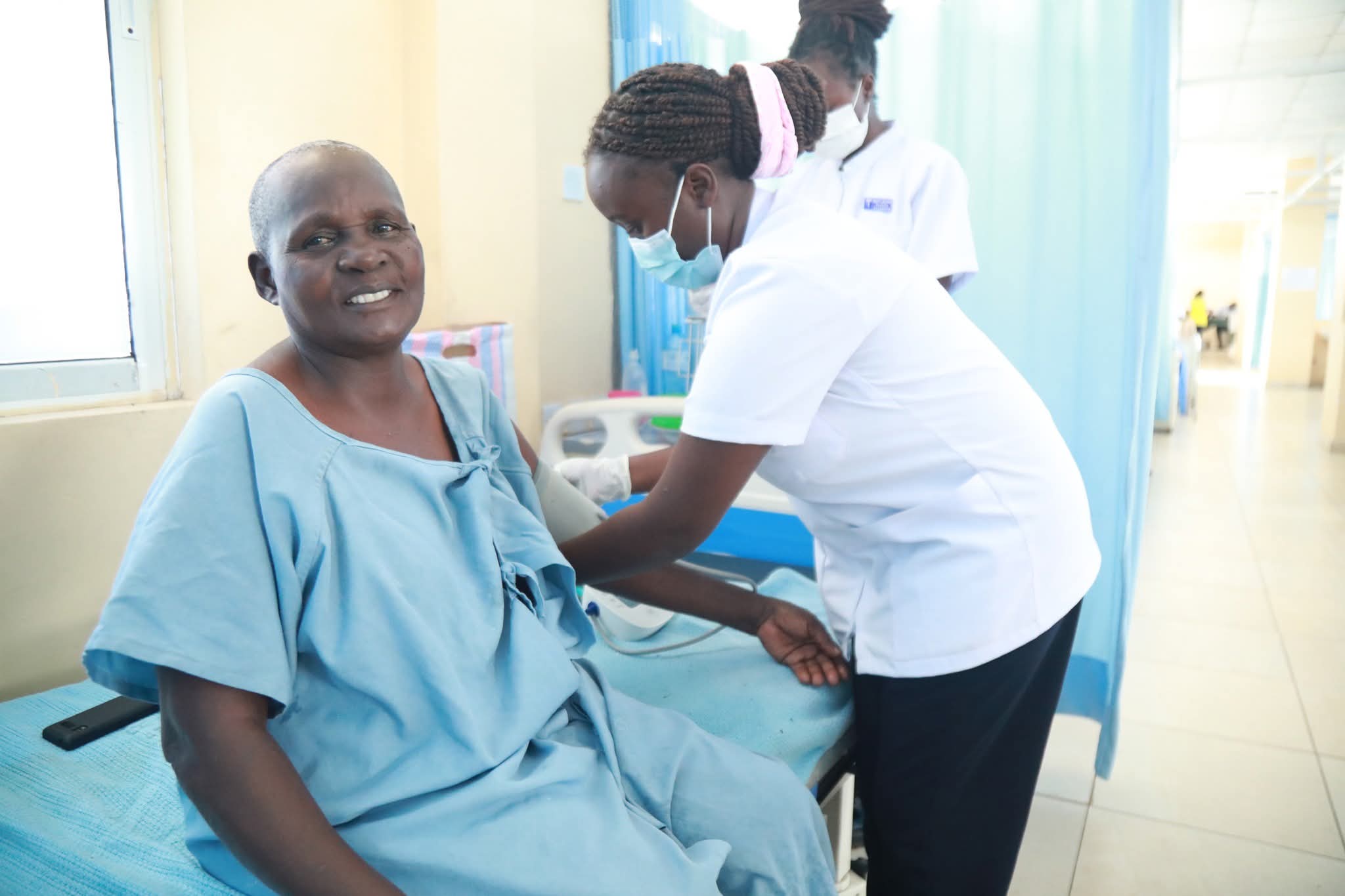
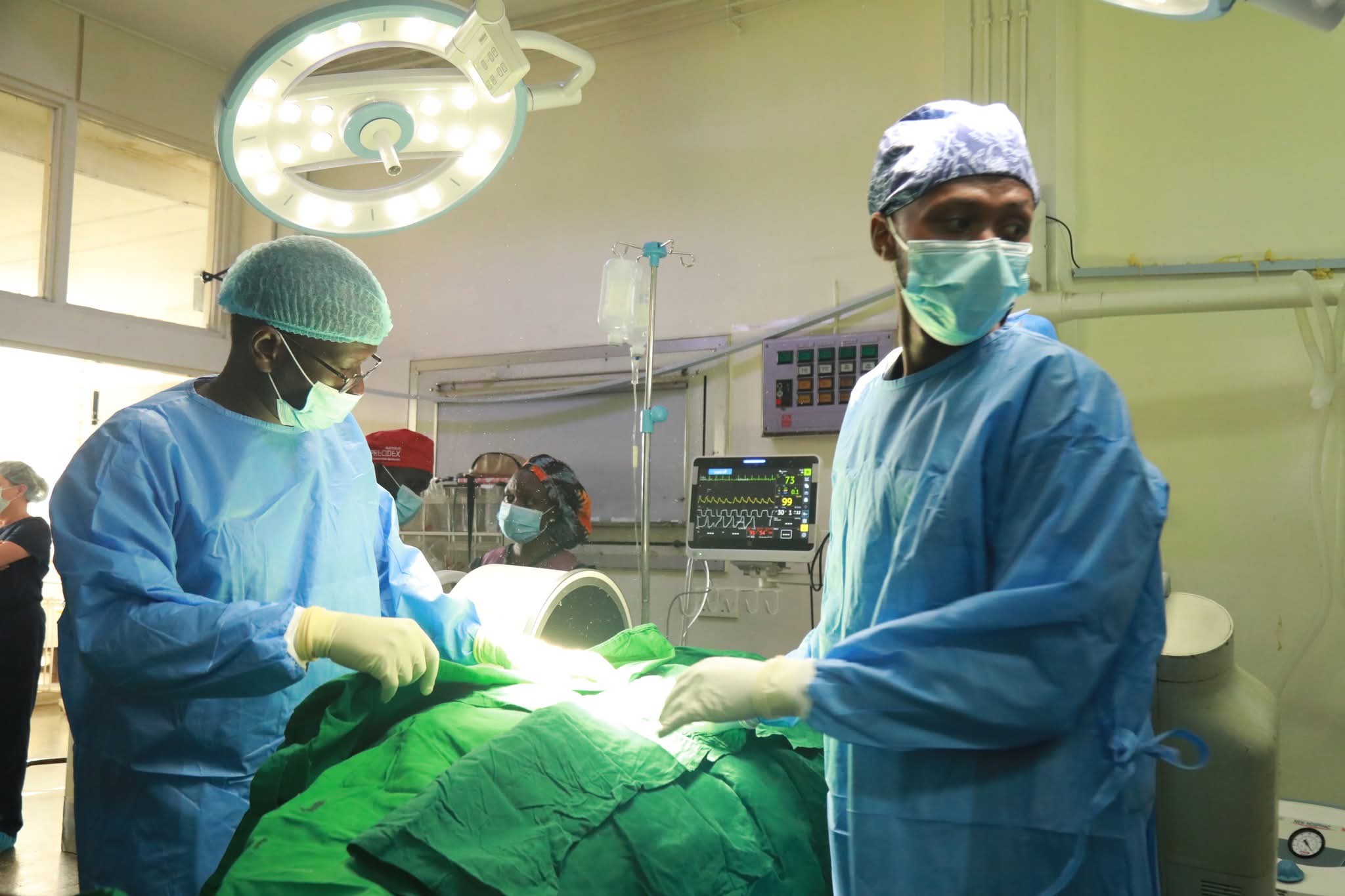 Ongoing surgery during the five-day neurosurgical camp at JOOTRH in Kisumu./FAITH MATETE
For months, 67-year-old Margaret Onyango’s world shrank. The grandmother from Bumala, Busia county, found herself trapped by agony; a sharp, shooting pain in her back made walking, standing, or even simple chores nearly impossible. What began as lingering discomfort from an old accident spiralled into a crisis after a severe fall in May last year.Fear set in as her mobility vanished, but this week, Margaret’s narrative changed.
She underwent successful spinal surgery at the Jaramogi Oginga Odinga Teaching and Referral Hospital (JOOTRH) during an ongoing neurosurgical camp.
Doctors had diagnosed her with spondylosis, a degenerative spinal condition that causes chronic pain and nerve compression.
After months of unsuccessful physiotherapy, specialists recommended a laminectomy, a procedure that removes part of the vertebral bone to relieve pressure on the spinal cord and nerves.
The surgery was successful, and Margaret is now recovering in the ward as she awaits discharge.
“I can already feel a difference,” Margaret said from her hospital bed, her voice filled with newfound hope.
Her path to the operating table was paved with obstacles. After an MRI in Bungoma confirmed severe degeneration, Margaret faced a agonising choice. Financial strain and warnings from skeptical friends fuelled her anxiety.
It was her sister’s success story—regaining full mobility after a similar surgery at JOOTRH two years ago—that finally gave Margaret the courage to proceed.
Today, she stands beside Margaret as a caregiver and source of reassurance.
Margaret’s story mirrors the silent struggle of dozens of patients who arrived at the camp seeking relief.
She is among 50 patients benefiting from a five-day neurosurgical outreach organised under the Kisumu Neuroscience Initiative in partnership with JOOTRH.
The programme has brought together an international team of neurosurgeons, anaesthetists and theatre nurses working alongside local specialists to address complex brain and spinal conditions.
For the first time, the camp also includes a paediatric neurosurgeon, expanding services to children with neurological disorders.
The initiative aims to bridge the gap in specialised neurological care across western Kenya and neighbouring regions, where access remains limited and costly.
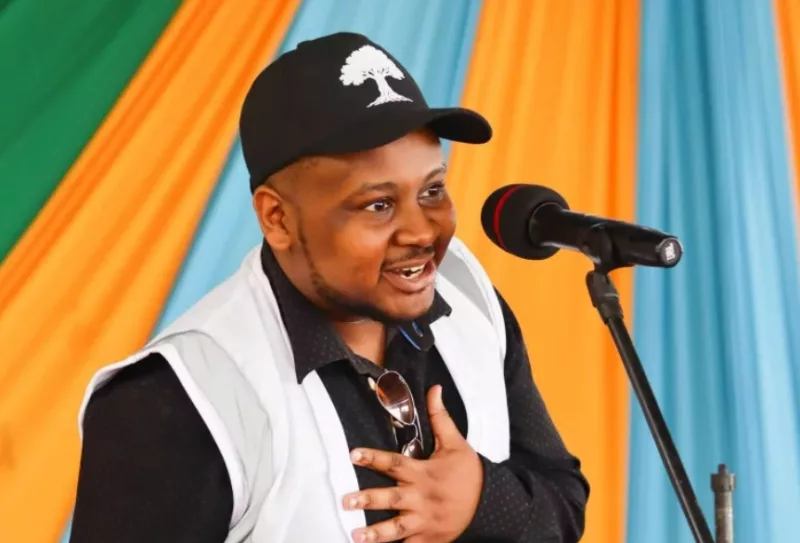
Dr Victor Awuor, a neurosurgeon based in Columbus, Ohio, and co-founder of the Kisumu Neuroscience Initiative, said the team’s annual return to Kisumu reflects a strong and growing partnership.
“It is not about the numbers,” he said. “It is about ensuring that the patients who entrust us with their lives recover safely and return to their families.”
Since its inception in 2017, the initiative has performed more than 554 surgeries and conducted over 1,500 clinic reviews.
Beyond operations, the programme focuses heavily on training local teams, mentoring young doctors and strengthening post-operative care systems.
International neurosurgeon Dr Robert Galler noted that the transformation at the referral hospital has been evident over the years, with stronger systems and more trained professionals.
At the host hospital, acting CEO Dr Joshua Okise said the partnership has significantly boosted capacity. When the collaboration began, JOOTRH had no resident neurosurgeon.
“Today, it has three, with two more expected to complete training soon”.
The cost of surgery for patients like Margaret has been covered under the Social Health Authority, making specialised treatment accessible to those who would otherwise struggle to afford it.
As Margaret recovers, she speaks quietly about returning home, walking without pain and resuming her daily routines.
For her, the surgery was not just a medical procedure, it was a second chance at independence.