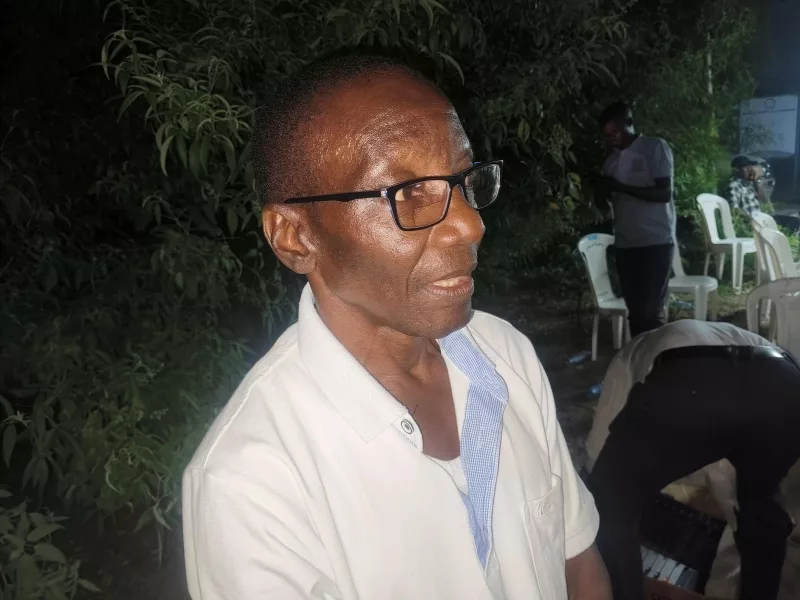
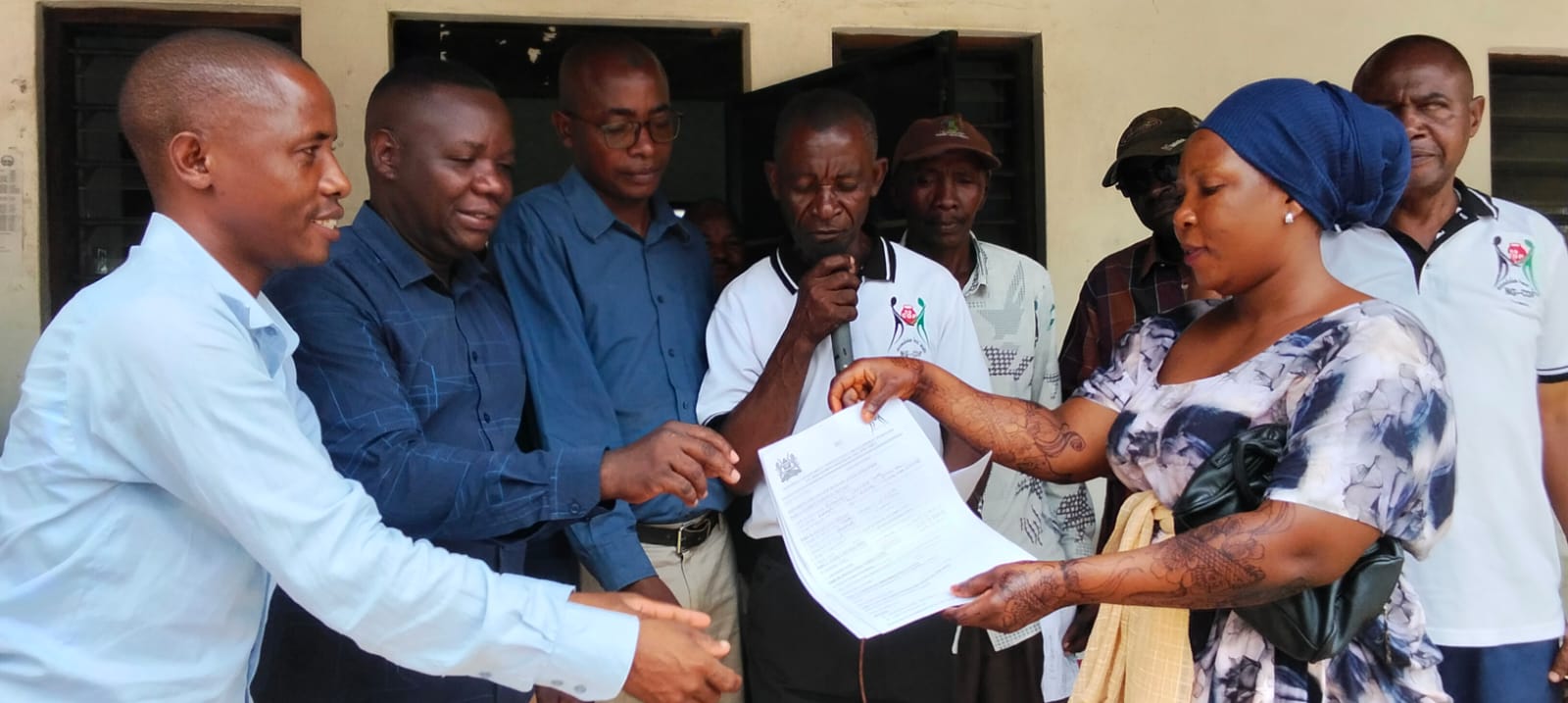
 Ruruma chief Joseph Boza and Rabai MP Kenga Mupe’s
personal assistant Kennedy Konde at Bofu chief’s office in Rabai on February 16, 2026./BRIAN
OTIENO
Ruruma chief Joseph Boza and Rabai MP Kenga Mupe’s
personal assistant Kennedy Konde at Bofu chief’s office in Rabai on February 16, 2026./BRIAN
OTIENOEducation standards in Rabai constituency have seen an upward turn after MP Kenga Mupe initiated interventions for reforms.
Concerned by years of below-par academic performance, Mupe commissioned a task force to investigate the challenges facing the sector.
Rabai is historically known as the birthplace of education in Kenya. The constituency hosts just 12 public primary schools and nine secondary schools, yet systemic issues, including poor infrastructure, inadequate guidance and limited parental and teacher engagement slowed down performance.
Widespread poverty was also identified as key contributor to low performances.
After the findings were made, the MP prioritised infrastructure development and fostering public-private partnerships.
Over the past four years, new classrooms and sanitation facilities have been constructed to improve learning environments.
Dzanikeni Primary School is among those that have benefited.
Corporate stakeholders have also played a key role in supporting the initiatives.
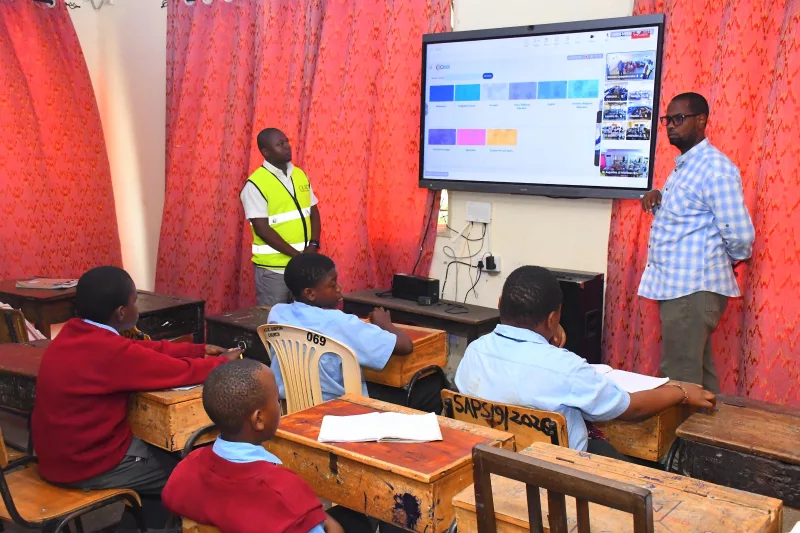
Kenya Ports Authority (KPA), for instance, pledged Sh2 million to fund a modern science laboratory at Jimba Primary School, alongside equipping it with computers and a water pump under its corporate social responsibility programme.
Scholarships and bursaries for underprivileged learners have also been expanded, with support from both private firms and the National Government Constituency Development Fund (NG-CDF).
Following improved performance in the 2025 KCSE examinations, KPA donated food supplies to learners affected by drought.
Kenneth Konde, MP Mupe's personal assistant, emphasised the importance of collaboration between parents and teachers to raise education standards.
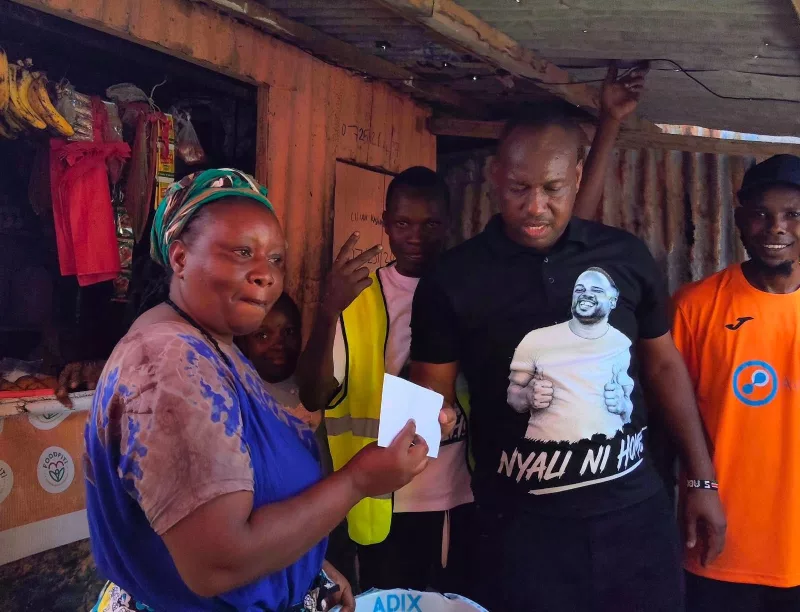
During a bursary issuance event for TVET, college, and university students, Konde highlighted the MP’s commitment, noting that while significant progress has been made, there remains work to be done.
“The work being done in Rabai is well known,” Konde said. “We aim for the highest standards of education, recognising that this is where education in Kenya began. We are not where we want to be, but we are certainly ahead of where we were before.”
He urged parents to engage actively with teachers, ensuring children attend classes and make full use of bursary opportunities.
“No learner should miss school due to avoidable circumstances like fees," he said.
Emmanuel Muhaso, Rabai NG-CDF chair, said education is a constituency priority, with both public and privately sourced funds directed to improving standards.
Muhaso warned that delays in collecting bursary forms often result in some parents missing out, stressing the need for prompt action.
“We would not like to leave anyone behind. We are on a mission to make Rabai great again in education,” he said.
Margaret Mwameri, a member of the Ruruma Education Committee, said bursaries alone will not guarantee educational improvement.
She called on students to work diligently, justifying the investment in their education and motivating authorities to continue support.
“Parents must encourage their children to adhere to the discipline that take them to universities and colleges. Education funding has value only if it translates into academic success for the learner and benefit for society,” Mwameri said.
The committee has engaged teachers to identify practical solutions for elevating standards and plans to extend consultations to parents and students, fostering a collaborative approach to education reform.
By combining infrastructure development, financial support, and community engagement, MP Mupe and his team aim to transform Rabai’s educational landscape, ensuring that learners can compete effectively and reach their full potential.