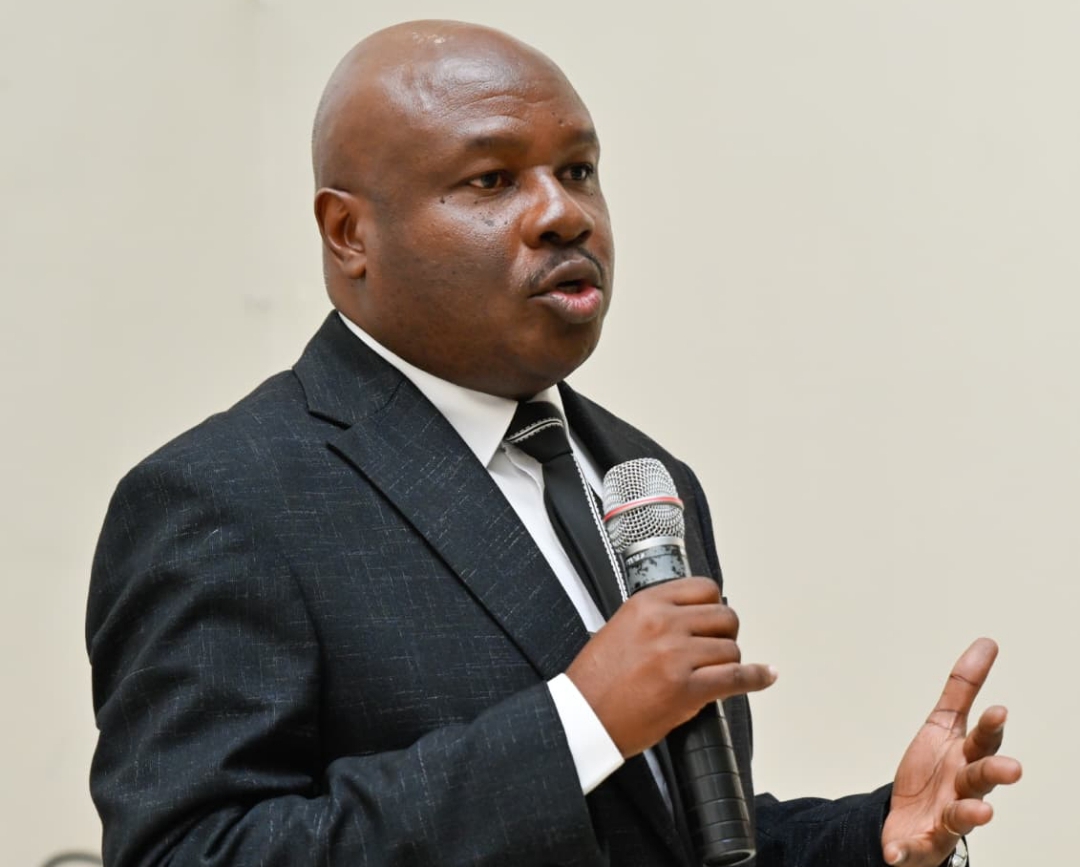
The national career guidance capacity building and sensitisation programme, unveiled by Labour Principal Secretary Shadrack Mwadime, will be conducted virtually and targets heads of institutions within the basic education sector.
The training aims to equip school leaders with practical skills and tools to help learners make informed education and career choices in an increasingly dynamic and competitive labour market.
Speaking during the launch, Mwadime said effective career guidance is key to reducing skills mismatches, improving the transition from school to work, enhancing employability, and supporting the reintegration of vulnerable and marginalised groups into education and employment.
The programme is being implemented by the State Department for Labour and Skills Development in collaboration with the State Department for Basic Education and the Teachers Service Commission (TSC).
Participants will be introduced to the National Policy Framework on Career Guidance and the Guidelines for Establishing Offices of Career Services (OCS) in schools.
“These instruments will ensure every school establishes an Office of Career Services and that learners access structured career education, counselling and labour market information to guide their education, training and future occupation choices,” said Mwadime.
He noted that the rollout of the Competency-Based Curriculum (CBC) has made structured career guidance more urgent, as learners are now required to make early decisions on pathways, subject combinations and career tracks that will shape their future opportunities.
“We are committed to building a robust and professional career guidance system that empowers learners to manage their education and career pathways in a rapidly changing environment,” he added.
Mwadime observed that many young people struggle with the transition from school to employment, contributing to high levels of youth joblessness.
He warned that prolonged unemployment increases the risk of poverty, inequality, social unrest, crime, radicalization and substance abuse.
“Effective career guidance is central to mitigating these risks and promoting inclusive development,” he said.
The government plans to institutionalise career guidance by integrating career education into the curriculum, training professional counsellors, and ensuring teachers and career officers have access to up-to-date labour market information.
Mwadime said the initiative comes at a time when the world of work is rapidly evolving due to digitisation, globalisation, demographic changes, the green transition and other global disruptions.
“New jobs are emerging, others are becoming obsolete, and workers increasingly move between education, training and employment. Career guidance is therefore indispensable in helping individuals navigate these transitions,” he said.
He urged all education and training institutions to establish fully functional career services offices and strengthen partnerships with industry to better align education outcomes with labour market needs.