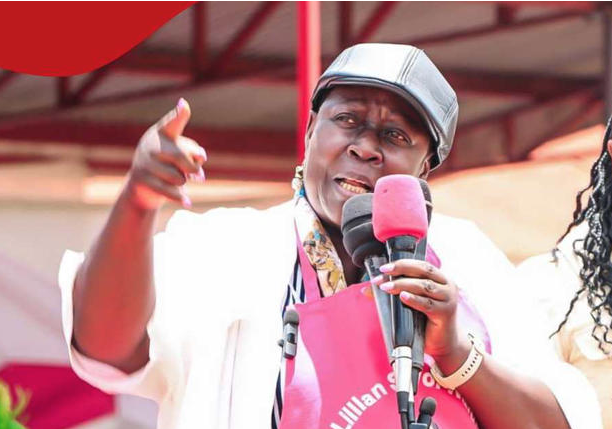
Kisumu Woman Representative Ruth Odinga has described the Orange Democratic Movement (ODM) as a highly desirable political force, urging the party to resolve its internal divisions and reunite to negotiate strongly in the evolving political arena.
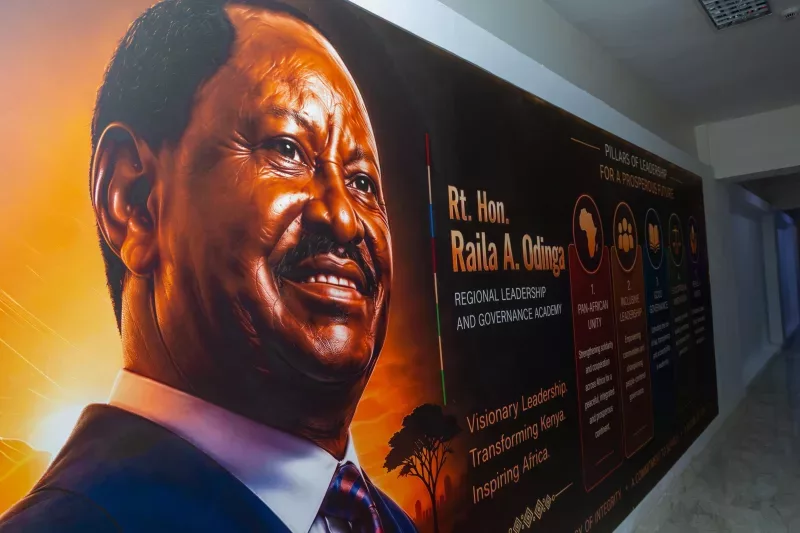
In an interview on KTN, Odinga likened ODM to "the woman everybody wants to marry," emphasising its enduring strength and appeal despite ongoing challenges following the death of her brother, former Prime Minister Raila Odinga, in October 2025.
"ODM is a very strong party. This is the woman everybody wants to marry," she explained.
She pressed party members to close ranks, saying unity would position ODM to dictate terms in future coalitions or electoral arrangements.
"If we can have our act together, and these two factions can come back together on a table, and we come out back strong, we are going to be able to come out and say, 'Here we are, this is our card, and this is what we want,'" Odinga stated.
She also defended the party’s right to field a presidential candidate in the next election, dismissing narratives that ODM should shy away from the top seat.
“If somebody from ODM is willing to become the president, why would we stop them and say that ODM does not want to field a president. Why would anyone think that ODM cannot have a presidential candidate?” she posed.
A contest of strategy has been playing out within ODM, with two camps taking shape over the party’s posture towards President William Ruto and the emerging 2027 political alignments.
One faction, associated with Secretary-General Edwin Sifuna, has drawn support from leaders such as James Orengo and deputy party leader Godfrey Osotsi. This group is firmly opposed to any move that could be interpreted as backing President Ruto’s re-election bid.
They argue that ODM’s historical identity has been anchored on reformist politics and strong opposition oversight, and that supporting the incumbent would erode the party’s credibility among its core supporters.
Members of this camp maintain that ODM must chart an independent political path, strengthen its grassroots networks and prepare to offer an alternative leadership vision in the next general election.
On the other hand, the faction led by Oburu Odinga is keen on sustaining the current broad-based political arrangement. This group views engagement and cooperation as a strategic avenue for securing development gains for ODM strongholds and ensuring the party remains influential within the national power matrix.
Proponents of this approach argue that politics is about negotiation and pragmatism, and that remaining within the arrangement enhances ODM’s bargaining power while reducing political hostilities.
Both factions publicly profess loyalty to the late former Prime Minister Raila Odinga, even as their divergent strategies continue to generate debate within party ranks.
In the wake of the differences, Sifuna was removed as secretary-general in a move that further exposed the internal rift.
However, he moved to court to challenge the decision, and the court suspended his removal pending the hearing and determination of the case, adding another layer of intrigue to ODM’s unfolding power struggle.