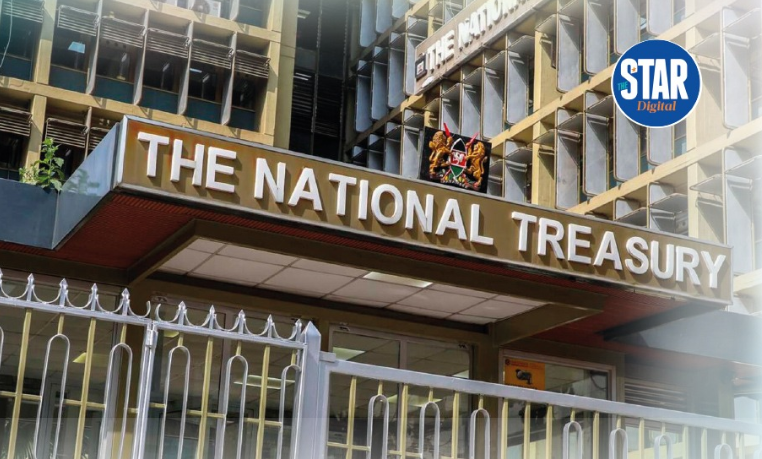
The National Treasury has entered a critical enforcement phase following the February 15 deadline requiring all ministries, departments and agencies (MDAs) to migrate their banking arrangements to the Treasury Single Account (TSA).
The directive compels all government entities to close or transfer accounts held in commercial banks and operate under a centralised structure at the Central Bank of Kenya (CBK).
The Cabinet approved the implementation of TSA for the national and county governments on January 15, 2024.
Officials say the move is designed to give the government full visibility and control over public funds, and to end a long-standing practice where billions of shillings sat outside the Treasury’s direct oversight.
At the heart of the reform is a simple objective: ensure that every shilling of public money is accounted for and available for national priorities.
Why Treasury is moving the money
For decades, hundreds of state agencies, regulatory bodies and semi-autonomous institutions have operated multiple accounts in commercial banks.
While these accounts supported operational independence, they created a fragmented system that made it difficult for the government to determine its actual cash position at any given time.
Audit reports have repeatedly flagged dormant accounts, unreconciled balances and interest earnings that were either poorly documented or never remitted to the Exchequer.
Treasury officials say the TSA will end what critics have often described as “hidden balances” or institutional cash reserves.
“Government cannot continue borrowing at high interest rates while some of its own funds are sitting idle in commercial banks,” a senior Treasury official said.
By consolidating balances at the CBK, the government expects to reduce unnecessary domestic borrowing, improve cash planning and prioritise payments more efficiently.
The structure of the TSA will include the National Exchequer Account, the TSA Sub-Account and the County Revenue Fund.
Speaking during a past meeting Ruto said: “Government funds are banked in commercial bank accounts and individuals keep earning interest. This must stop. All the benefits of public funds must only accrue to the people of Kenya and no one else.”
Public finance analysts say the reform could help ease pressure on the government’s borrowing programme.
“For years, the Treasury has been issuing Treasury bills and bonds while significant amounts of cash were parked elsewhere within the public sector,” said economist Peter Mbugua.
“The TSA eliminates that inefficiency and strengthens fiscal discipline.”
How the Single Account works
Under the TSA system, MDAs retain operational sub-accounts for transactions, but the actual cash is swept into a central pool at the CBK.
This allows Treasury to monitor inflows and outflows in real time and allocate resources based on national cash needs.
The system is widely used globally as a tool for strengthening public financial management and reducing leakages.
With a consolidated view of government cash, Treasury can also reduce payment delays to suppliers and manage pending bills more effectively.
The “invisible” conflict
While most core ministries complied ahead of the February 15 deadline, the bigger challenge is coming from semi-autonomous agencies and state corporations that have historically enjoyed financial autonomy.
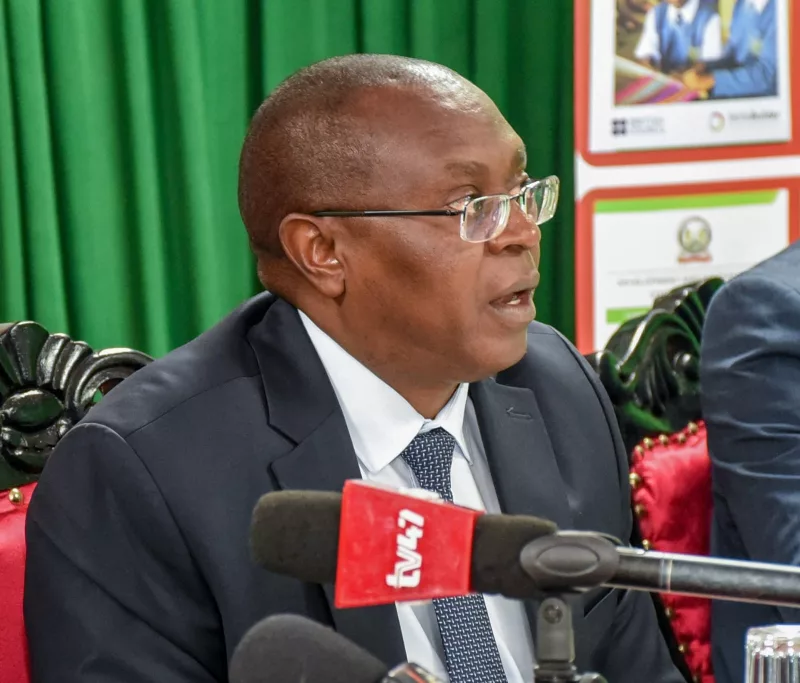
Treasury Principal Secretary Chris Kiptoo had given the accounting officers in the national government and county executive until last Sunday to provide details of all the bank accounts they run.
Institutions that collect significant own-source revenue, including regulators, universities and service agencies, are understood to be among those seeking phased implementation.
Treasury has warned that agencies that fail to comply risk administrative sanctions, tighter budget controls and possible action against accounting officers under the Public Finance Management law.
Banks brace for impact
Beyond the public sector, the TSA rollout is also triggering adjustments within the banking industry.
Government entities have long been among the largest depositors in commercial banks, providing stable and low-cost funding that supports lending and liquidity.
If billions of shillings are withdrawn and moved to the CBK, banks could face tighter liquidity conditions.
“This is a structural shift, the public sector deposits are significant. Losing part of that funding may increase competition for private deposits and raise the cost of funds for some banks,” said banking analyst James Koech.
Smaller and mid-tier banks that rely heavily on institutional deposits are expected to feel the greatest pressure, while larger lenders with diversified funding bases are likely to adjust more easily.
Analysts say the transition could temporarily tighten money markets, although the sector remains well-capitalised and stable.
The CBK is understood to be monitoring the process to ensure orderly market conditions.
Ending the “slush fund” culture
Governance experts say the biggest impact of the TSA will be increased transparency.
Fragmented banking arrangements allowed some institutions to operate accounts that were rarely scrutinised, creating opportunities for misuse or off-budget spending.
“The TSA makes it much harder to hide public funds or operate parallel financial systems,” said governance analyst Martin Ochieng.
The Office of the Auditor-General has in past reports highlighted numerous cases of dormant accounts, unreconciled balances and unreported interest earnings across public entities.
Implementation challenges remain
Despite the deadline, the transition is expected to take time.
Many agencies must overhaul payment systems, retrain staff and redesign revenue collection processes to align with the new structure.
Experts warn that the success of the reform will depend on enforcement.
“Deadlines are important, but compliance must be verified continuously,” said public finance consultant Janet Atieno.
“The risk is that some institutions comply on paper while maintaining parallel arrangements.”
Treasury officials say a dedicated implementation team will track compliance and address operational bottlenecks.
A defining fiscal reform
The TSA is emerging as one of the most significant bureaucratic and financial reforms of the year, with implications for government borrowing, banking sector liquidity and institutional autonomy.
If fully implemented, it could end an era in which public funds were scattered across hundreds of largely opaque accounts.
For the banking sector, the shift signals reduced reliance on government deposits. For state agencies, it means tighter financial oversight.
And for taxpayers, it promises greater transparency over how public money is held and used.
“The real test,” Mwangi said, “is whether the reform reduces borrowing costs, speeds up payments and ensures that every shilling works for the public.”