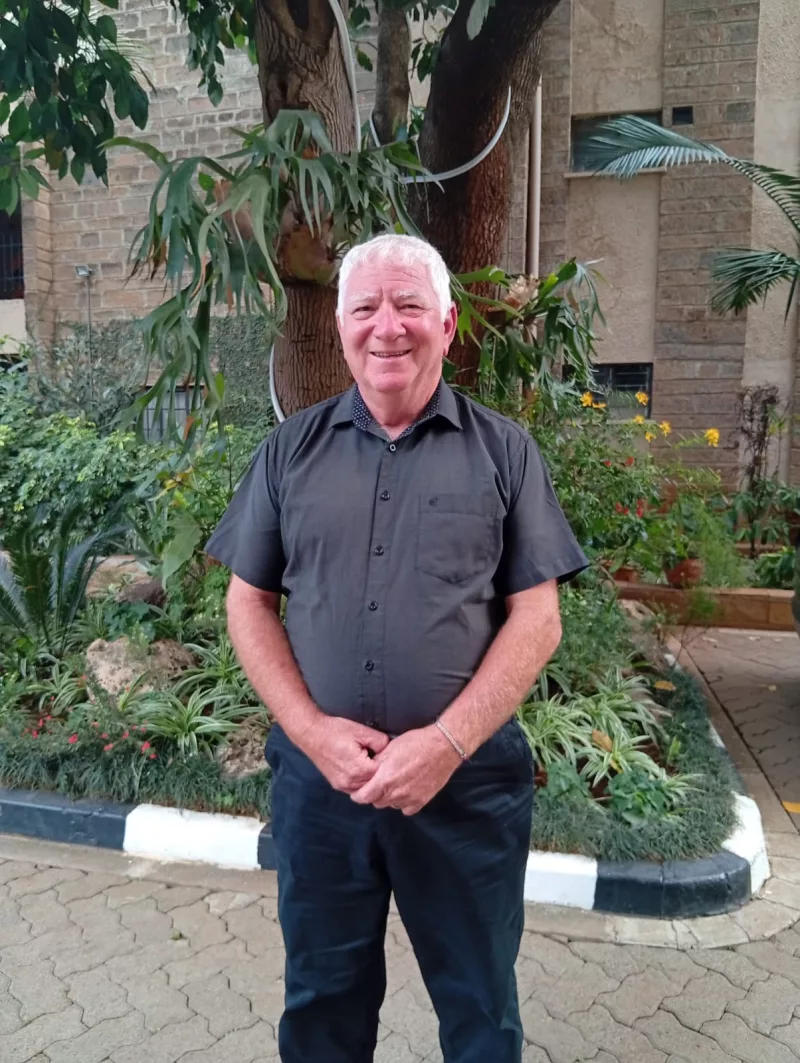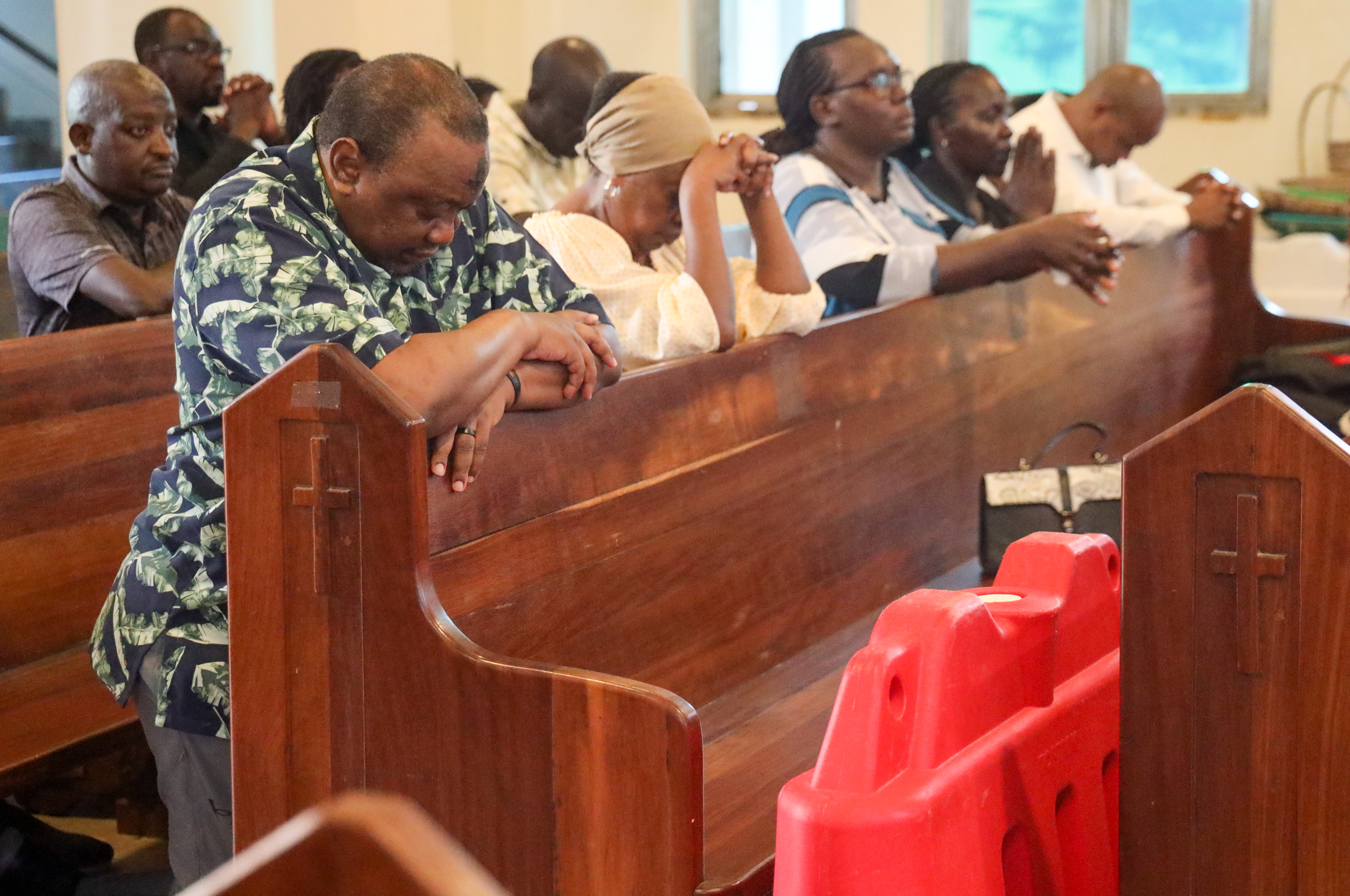
Retired President Uhuru Kenyatta on Wednesday joined Catholic faithful at St. Francis of Assisi Catholic Church in Nyali, Mombasa, to mark Ash Wednesday and the start of Lent.
The start of the Lenten period coincides with the start of Ramadhan approximately every 33 years due to the cycle of the Islamic lunar calendar shifting through the Gregorian calendar.
This year, 2026, both Ash Wednesday and Ramadhan start on February 17, 2026.
In the year 1992, Ramadan began on or around March 7, overlapping with the Lenten period.
Ash Wednesday begins the 40-day period of prayer, fasting, and reflection leading up to Easter in the Christian calendar.
Uhuru participated in the solemn service alongside congregants, honouring the tradition of repentance and spiritual renewal.
In his goodwill message, the retired President extended warm wishes to Christians starting their Lenten journey, hoping the season would be filled with prayer, reflection, and compassion.
“Kenyatta also wished the Muslim brothers and sisters in Kenya and around the world a blessed Ramadan, expressing hope that this sacred period would strengthen faith, deepen compassion, and foster unity among communities,” a statement from the Office of the 4th President of Kenya read.
“His participation in the Ash Wednesday service and his message to Muslims highlighted the shared values of faith, discipline, and charity that define both Lent and Ramadan, reinforcing Kenya's tradition of religious harmony and coexistence,” the statement added.
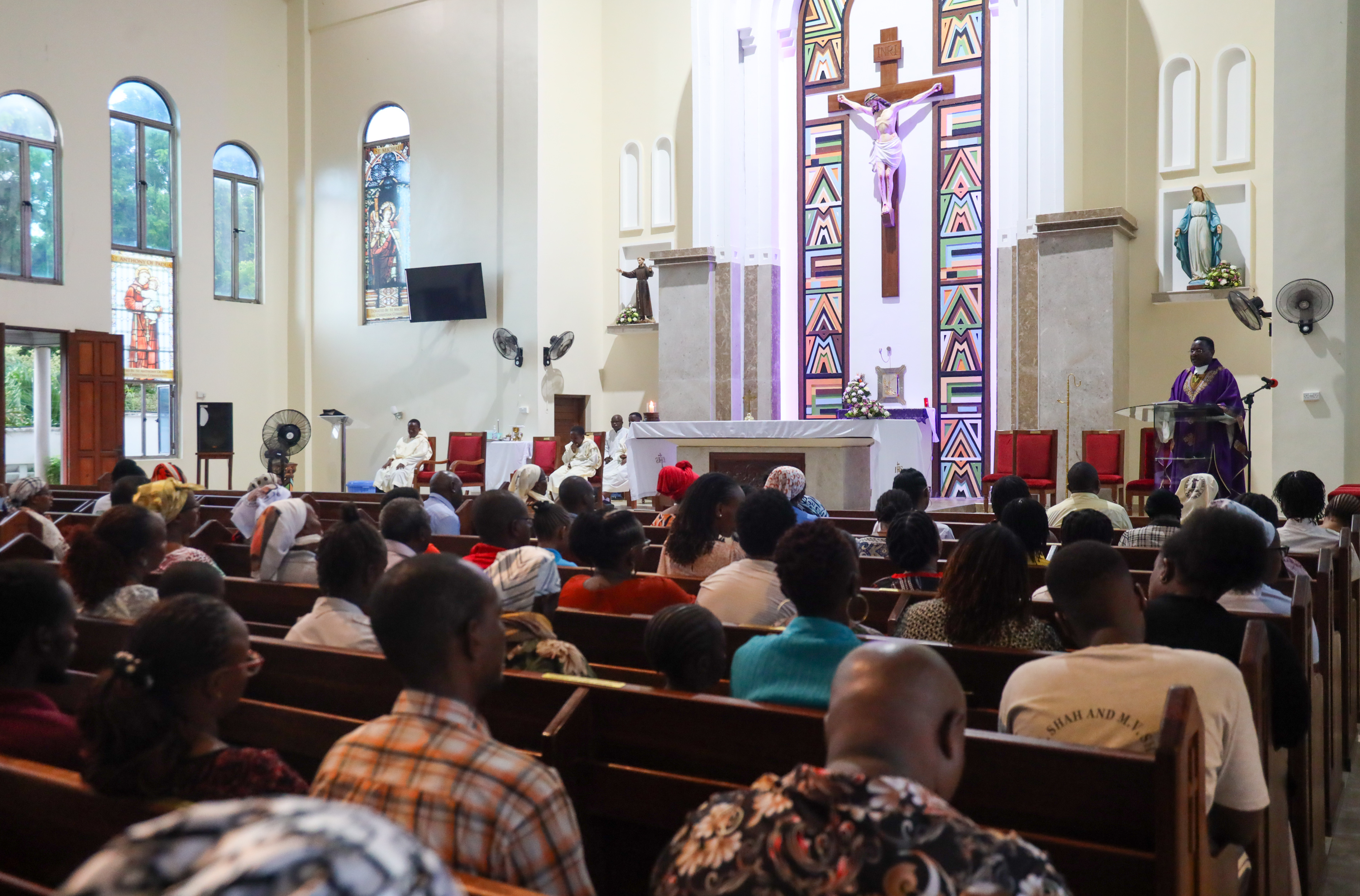
During Lent, Christians find the opportunity to deepen their prayer lives by creating space in their lives for a closer relationship with God.
The word "lent" originates from the Old English word lencten, meaning "to lengthen." In the Bible, Moses and Elijah went on a long food-free sojourn in the desert in preparation to meet God and begin their vocation. They all went through intense fasting experiences for 40 days and 40 nights.
By the time those experiences ended, they were ready for the next challenge they had to face. Primarily, the Lenten period represents Christ’s time of temptation in the wilderness, when Jesus was led up by the Spirit into the wilderness and was tempted by the devil, and He prevailed.
He fasted 40 days and forty nights, and afterwards he was hungry. Adopting this pattern made sense to early Christians and to Christians to date.
On the other hand, Ramadhan is the holiest month in the Islamic calendar, marked by strict dawn-to-sunset fasting or saum for 29-30 days to foster self-discipline, God-consciousness or ‘taqwa’, and empathy.
As the ninth month of the lunar calendar, it commemorates the revelation of the Quran to the Prophet Muhammad.