Nairobi is set to receive a major infrastructure and service delivery boost following a new cooperation agreement between the National Government and Nairobi City County that will inject about Sh80 billion into priority development projects.
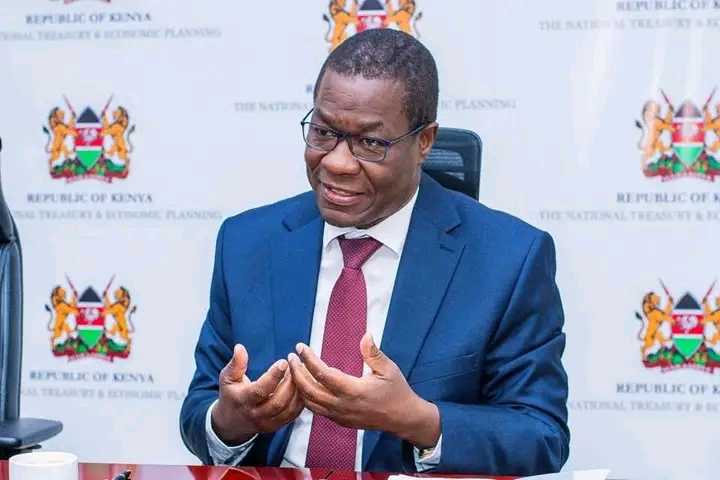
The agreement, signed by Prime Cabinet Secretary Musalia Mudavadi and Governor Johnson Sakaja at State House on Tuesday, establishes a structured partnership aimed at addressing the capital’s growing urban challenges and improving its efficiency as the country’s political and economic hub.
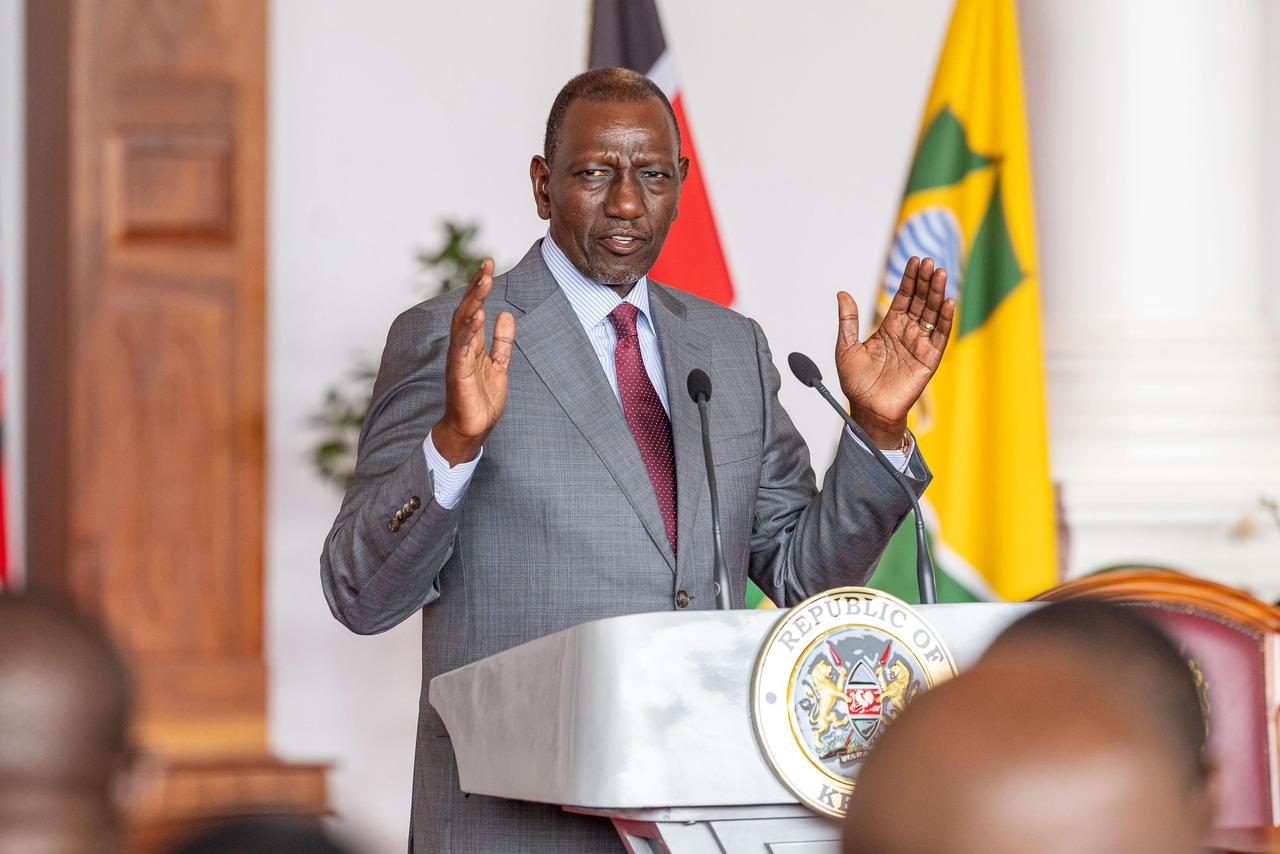
President William Ruto, who witnessed the signing of the deal, said the initiative recognises Nairobi’s special status as the seat of government, a regional commercial centre and host to major international institutions.
He noted that the city’s responsibilities go beyond those of an ordinary county.
“With this framework, we are strengthening collaboration between the two levels of government to ensure better service delivery and to position Nairobi as a functional, competitive and globally respected capital,” he said.
Lighting and power
A total of Sh3.7 billion has been allocated for the modernisation and expansion of street lighting across the city.
Nairobi, according to Ruto, currently has about 70,000 lighting points, but only around 30 per cent are operational.
The programme will complete 10,000 stalled installations and add 40,000 new light points, with a shift to solar power to reduce electricity costs and outages.
In informal settlements, the government will invest Sh1.5 billion in transformers and last-mile electricity connections to lower the cost of power for low-income households.
An additional Sh3.3 billion will support the upgrading of nine major informal settlements, including settlement lighting around footpaths, markets, schools and health facilities.
Water and sanitation
To address chronic water shortages and system losses, the plan allocates Sh2.1 billion to upgrade the Ng’ethu Treatment Plant, which currently loses an estimated 50,000 cubic litres of water daily.
Another Sh3 billion will fund the Gigiri–Shauri Moyo evacuation corridor to stabilise supply to high-demand areas.
Long-term water security projects, including Maragua IV and Northern Collector II, are also being pursued.
On sanitation, the Nairobi River Regeneration Programme will receive significant investment.
The government has committed Sh9 billion for two parallel 27-kilometre trunk sewer lines along the river corridor and Sh6 billion for a new treatment plant with a capacity of 60,000 cubic litres per day.
A further Sh3 billion will go towards last-mile sewer connections, while Sh15 billion has been set aside for long-term sewer expansion across the city.
Roads, bridges and drainage
The transport and mobility sector will receive Sh8.7 billion for roads, bridges and drainage works.
This includes Sh2 billion to complete Phase One of Kenya Urban Roads Authority projects within two months, and Sh1.7 billion for a 59-kilometre Phase Two road package starting in April.
Phase Three projects valued at Sh5 billion will also be procured within the current financial year.
Additionally, a Sh5 billion ward-level mobility and safety programme will be implemented, complemented by Sh3.7 billion from the county government, while Sh1 billion has been earmarked for drainage improvements to reduce flooding.
Solid waste management
To improve waste handling and promote recycling, the county will allocate 100 acres for material recovery facilities and transfer stations, backed by a Sh4 billion county investment.
The National Government will contribute Sh2 billion to support the development of circular waste systems.
Security and urban renewal
The President also directed the Interior Ministry to develop, within 60 days, a framework for a dedicated Nairobi Metropolitan Police Unit to enhance urban safety.
The new agreement builds on the ongoing Sh50 billion Nairobi River Regeneration Programme, which includes housing, sanitation, environmental restoration and employment for thousands of young people.
In total, the President said the investment package will deliver “safer streets, reliable water, improved sanitation, stronger mobility and modern waste management,” positioning Nairobi as “a first-rank African metropolis.”
The cooperation framework does not transfer county functions but provides structured national support in areas where the performance of the capital has a direct impact on the country’s economy and global standing.