Lillian Ng’ang’a has sparked a conversation about digital boundaries and the protection of children in the online space.
The Kenyan author and former Machakos First Lady recently used her Instagram platform to confront an individual who allegedly insulted her and her young son.
Rather than ignoring the comments, Ng’ang’a chose to highlight the account responsible. She shared a screenshot of the profile belonging to a user named Olivia Gesare.
A Public Exposure
Ng’ang’a informed her audience that the user had targeted both her and her child with insults. By bringing the interaction into the public eye, she aimed to hold the individual accountable for their words.
"This Olivia Gesare came to my page and insulted my son and I. If you know her, that's the kind of person you are associating with!"
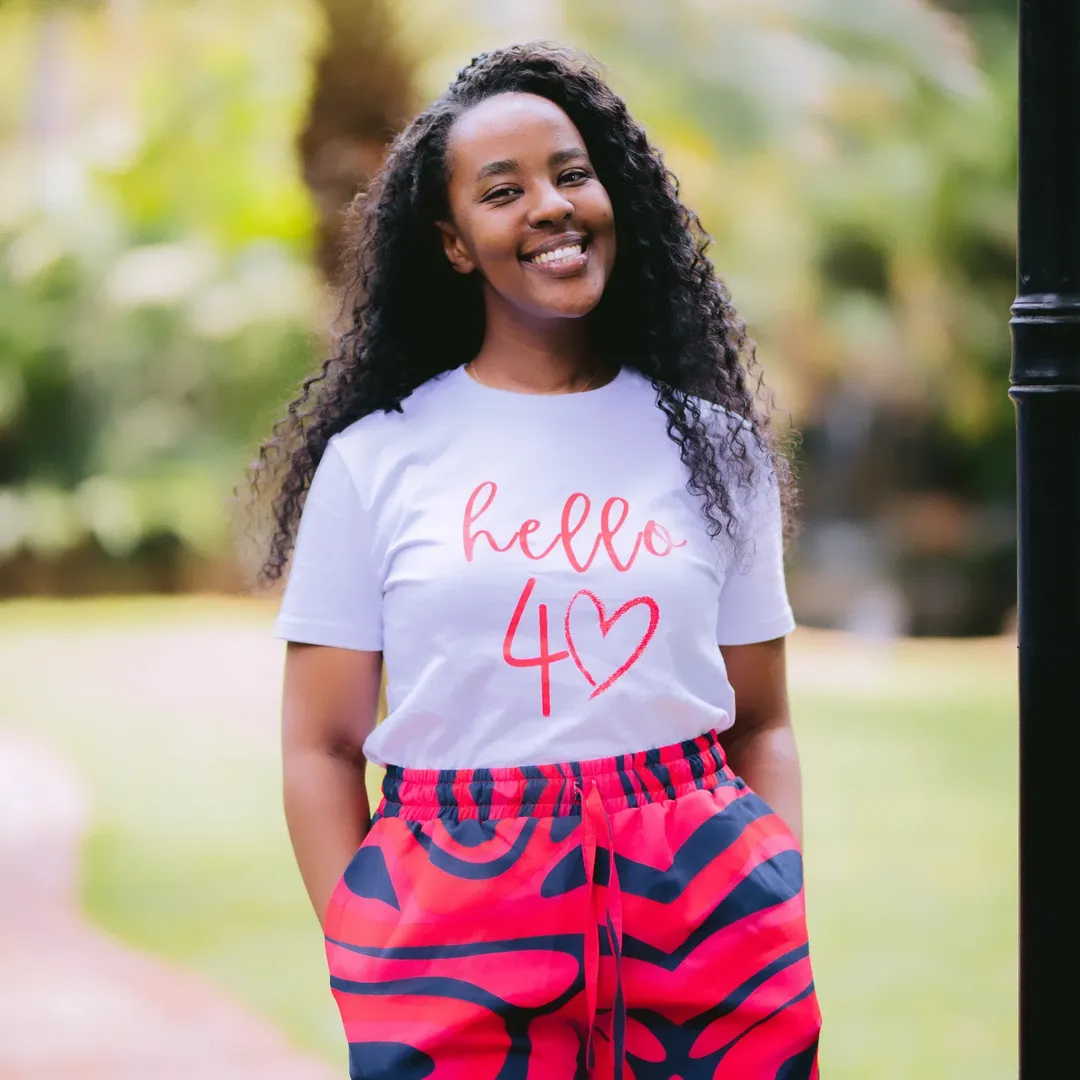
This method of "naming and shaming" is an unorthodox tactic for public figures. Many celebrities prefer to block trolls privately to avoid giving them a larger platform.
However, Ng’ang’a’s approach suggests a desire to strip away the anonymity that often fuels online abuse.
Taking it Step by Step
The incident did not end with a single post. Ng’ang’a actively sought the help of her community to widen the impact of her message. She requested that her followers share the troll's page to continue the process of exposure.
ALSO READ: Fascinating Reason Lillian Ng’ang’a Wants to Talk to Gen Z Teachers
She framed this as a collective effort to address digital harassment. Her goal, as stated on her Instagram story, is to expose all these bullies step by step.
Background and Context
Lillian Ng’ang’a is a prominent figure in Kenya. She is a philanthropist and the author of the memoir Madam First Lady. She is married to the popular musician Juliani. The couple welcomed their son, Utheri, in 2022.
Since the birth of her child, Ng’ang’a has been vocal about protecting her family’s privacy. However, she occasionally shares updates with her followers. This visibility has made her a target for "trolls"—users who post inflammatory or rude comments to provoke a reaction.
The Reality of Online Bullying
Cyberbullying is a growing concern in Kenya. Reports from digital safety organisations have previously highlighted a rise in "offensive content" and digital harassment across East Africa. For public figures, the volume of abuse can be significant.
Experts often debate the best way to handle trolls. Some suggest "starving them of oxygen" by ignoring them. Others, like Ng’ang’a, believe that public exposure is necessary to create real-world consequences for digital actions.