The Kenya Wildlife Service (KWS) has unveiled a global donation portal aimed at strengthening wildlife conservation efforts, as the country positions nature-based tourism at the centre of its resilience strategy.
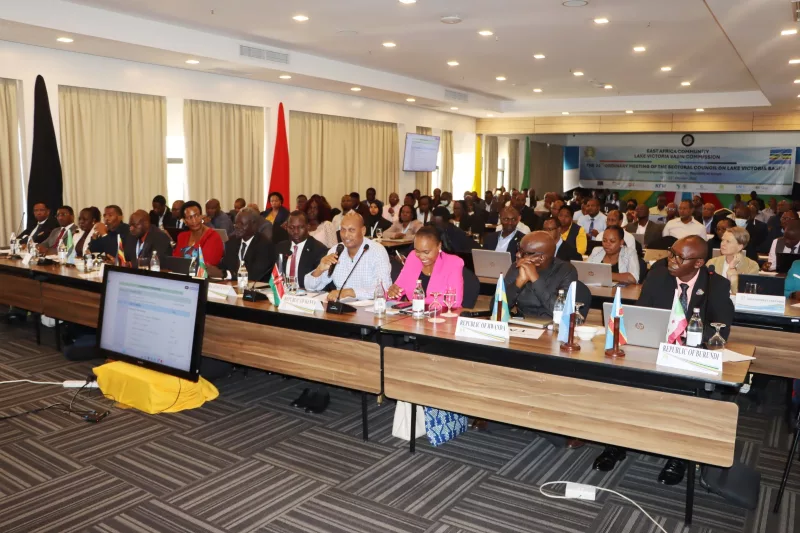
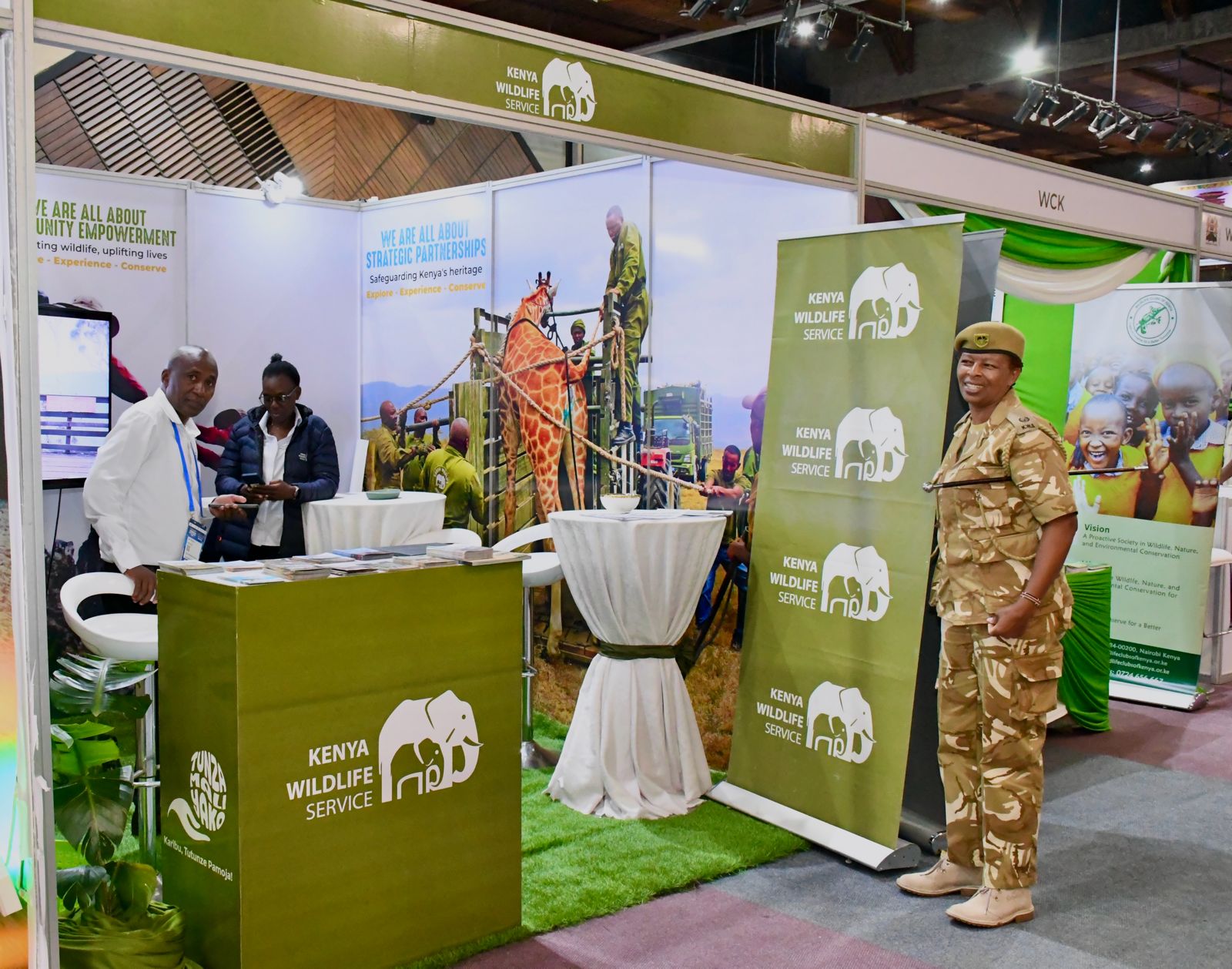
The announcement was made on Tuesday during the second day of the 4th Global Tourism Resilience Day Conference and Expo (GTRDCE) at the KICC, where KWS Director General Erustus Kanga joined a high-level panel on resilience in wildlife and nature-based tourism.
Kanga said the new platform will allow individuals, institutions and partners from across the world to contribute directly to conservation programmes that support ecosystem stability and sustainable tourism.
“The resilience of our wildlife ecosystems directly shapes the resilience of our tourism industry and, ultimately, the well-being of millions worldwide who depend on it,” he said.
He emphasised that wildlife resources go beyond being tourist attractions, describing them as part of Kenya’s national heritage, cultural identity and a key source of livelihoods for communities.
The digital donation portal is designed to modernise conservation financing by broadening participation and reducing reliance on traditional funding sources, particularly as the sector faces increasing environmental and economic pressures.
Globally, wildlife ecosystems are under strain from climate variability, extreme weather, habitat loss, human-wildlife conflict, poaching and illegal trade.
Fluctuations in tourism flows, which often fund conservation activities, have also exposed the vulnerability of nature-based tourism models.

Kanga noted that building resilient ecosystems is critical to ensuring tourism remains stable, competitive and capable of supporting jobs and community incomes.
Wildlife and nature-based experiences form the backbone of Kenya’s tourism sector, accounting for more than 70 per cent of the country’s tourism product.
Weak ecosystems, he warned, risk eroding revenues, disrupting local economies and undermining long-term conservation efforts.
Kenya’s approach to wildlife resilience is anchored in strong legal and policy frameworks.
The Wildlife Conservation and Management Act, 2013, recognises wildlife as a public trust resource and promotes ecosystem-based conservation, community participation and equitable sharing of benefits.
These efforts are further guided by the KWS Strategic Plan 2024-28, which prioritises climate-adaptive conservation, protection of critical species and habitats, use of technology in wildlife management and stronger partnerships with communities, government agencies and international partners.
The strategy aligns with global conservation priorities, including the United Nations Sustainable Development Goals, particularly those related to biodiversity protection, climate action and sustainable economic growth.
Conference participants heard that countries with strong wildlife systems are better positioned to maintain tourism value chains, create employment and sustain investor confidence, while degraded ecosystems often lead to declining visitor numbers and increased conservation costs.
Kanga said Kenya’s model demonstrates how integrating conservation, community engagement and innovative financing can help countries safeguard both biodiversity and economic stability.
“With resilient wildlife systems, tourism thrives. Without strong conservation foundations, tourism resilience cannot be achieved,” he said.
The newly launched portal now enables global citizens and organisations to directly support Kenya’s wildlife protection and ecosystem restoration efforts, marking a new step in mobilising international support for the country’s conservation agenda.