The 2026 Winter Olympics in Italy have generated global headlines, not only for sporting excellence, but also for an unexpected shortage that has drawn comparisons with a pressing public health concern in Kenya.
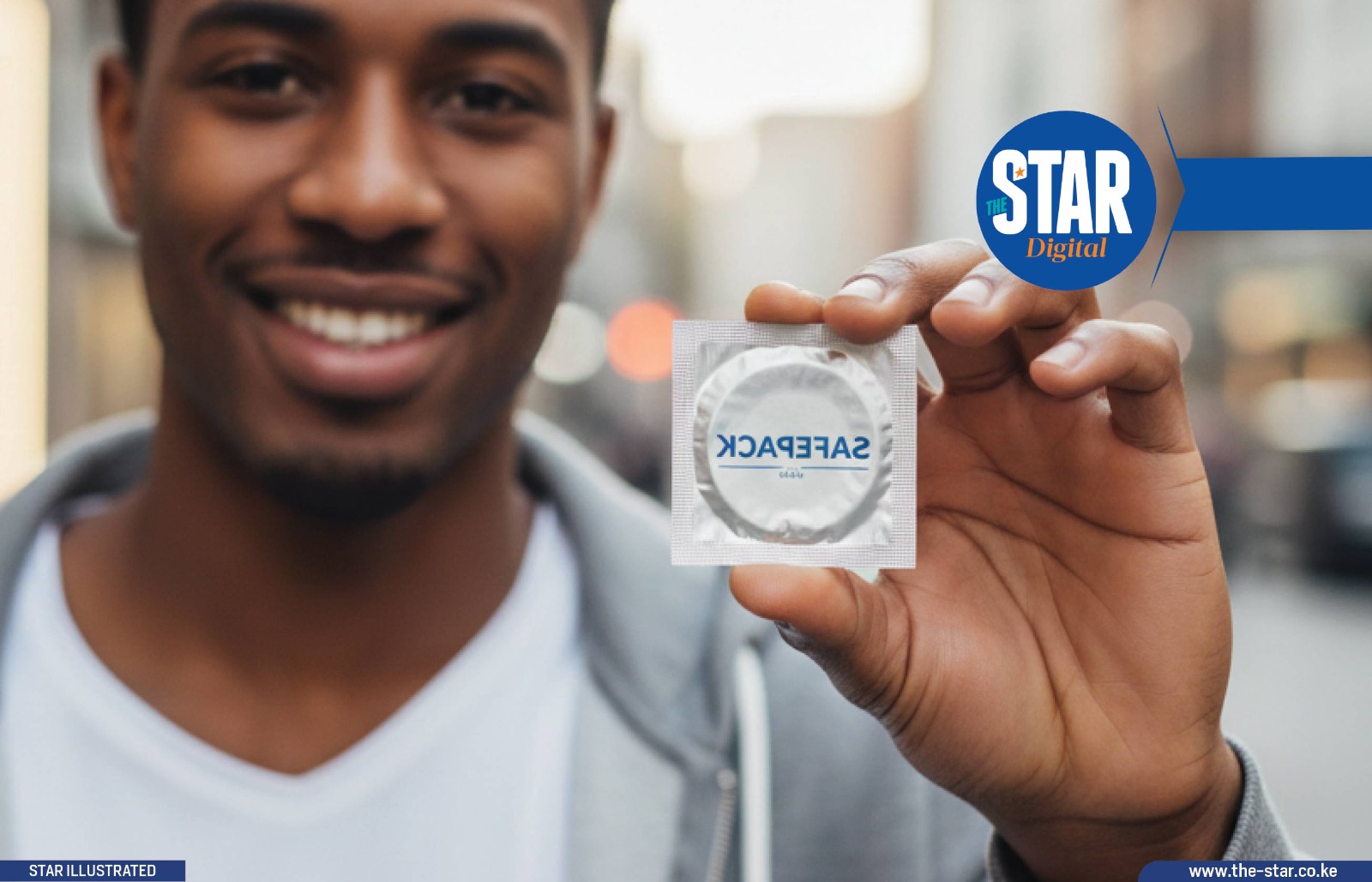
Reports emerging from the Olympic Village in Milan indicated that organisers ran out of their initial supply of condoms just three days into the 17-day competition.
The development has sparked conversations worldwide, and also in Kenya, where the country is grappling with an acute shortage of the life-saving latex.
In Milan, organisers had distributed 10,000 free condoms for about 2,900 athletes participating in the games.
The stock was expected to last throughout the competition, which features athletes from 92 nations competing in 116 events.
This edition of the Winter Olympics is historic, with women comprising 47 per cent of competitors, the highest proportion in the event’s history.
However, according to Italian newspaper La Stampa, the entire supply was depleted within the first 72 hours.
"The supplies ran out in just three days," an unnamed athlete said. "They promised us more will arrive, but who knows when."
Olympic organisers were reportedly forced to arrange an emergency restock to meet demand within the Village, long known not only as a hub of elite sporting competition but also as a vibrant social environment where athletes from across the globe interact.
While the situation in Milan may appear light-hearted to some, it mirrors a far more serious crisis unfolding in Kenya.
The country is facing a deficit of 250 million condoms annually, with only 150 million available against an estimated need of 400 million for the sexually active population.
Health experts warn that this shortage is already contributing to a spike in sexually transmitted infections (STIs) and could undermine decades of progress made in HIV prevention.
Dwindling donor funding, prompting urgent calls for government intervention has exacerbated the shortage.
Partners are advocating for the removal of taxation on condoms to enhance accessibility and reduce the growing STI burden.
Public health advocates caution that without immediate action, Kenya risks reversing gains achieved in sexual and reproductive health programmes over the past two decades.
According to AIDS Healthcare Foundation (AHF), the global surge in STIs, particularly syphilis, is directly linked to declining prevention funding and reduced prioritisation of condoms as a frontline defense.
“Condoms still work! We have the proven formula to stop HIV/AIDS after 40 years: Get tested. Get treated. Use Condoms – it’s as basic as that. We can’t stop HIV/ AIDS without condoms. The continued spread of HIV and other sexually transmitted infections is not a failure of science, it’s a failure of leadership and commitment to prevention,” said Terri Ford, AHF Chief of Global Advocacy & Policy.
Ford emphasised that sustaining HIV prevention does not require groundbreaking scientific discoveries but rather political will and sustained investment.
Without an immediate course correction, she warned, HIV infections could follow the rising STI trend, leading to costly health and economic setbacks.
Health officials in Kenya are already raising alarm following new data revealing a sharp rise in STIs in Nairobi amid the ongoing condom shortage.
According to AHF Kenya, 840 STI cases were recorded over a six-month period across three of its clinics located in Parklands, Kangundo Road and Mathare.
Between July 2025 and January 2026, the organisation screened 5,000 clients for various STIs. Of those tested, 300 were diagnosed with syphilis, while 290 and 250 cases of gonorrhea and chlamydia were confirmed respectively.
The screening targeted both symptomatic and asymptomatic individuals.
Alarmingly, about 90 per cent of clients who presented with symptoms tested positive for different STIs, with syphilis accounting for a significant proportion of the infections.
Speaking ahead of International Condom Day 2026, Calsine Onditi of AHF Kenya warned that complacency could erase hard-won gains in HIV prevention.
“We are losing ground, quietly. While we celebrate medical advancements like Prep, which are fantastic for preventing HIV, we must remember that STIs, particularly syphilis, are rising worldwide,” she said.
International Condom Day, launched by AHF in 2009 and observed annually on February 13, promotes condoms as a critical tool in preventing HIV, other STIs and unplanned pregnancies.
The campaign underscores the message that condoms remain central to protecting sexual health worldwide.
Through community outreach, free condom distribution drives, media campaigns and youth engagement forums, ICD seeks to reinforce the message that protection remains central to safeguarding sexual and reproductive health.
The parallel between Milan’s Olympic Village and Kenya’s public health landscape highlights a shared reality; condoms remain an essential, cost-effective prevention tool.
While the Olympic shortage was swiftly addressed through emergency resupply, Kenya’s deficit demands systemic solutions, sustained funding and strong policy action.
As global attention briefly focused on Milan’s unexpected shortage, health advocates in Kenya hope the spotlight will also illuminate the urgent need to strengthen prevention strategies at home.
Public health advocates say the day serves as a timely reminder that despite advances such as pre-exposure prophylaxis (Prep) for HIV prevention, condoms remain the only method that simultaneously protects against HIV, other STIs and unintended pregnancies.
Without decisive intervention, AHF Kenya warns, the consequences could extend far beyond temporary shortages to long-term public health setbacks.