The National Treasury has released emergency funding to anti-money laundering agencies as Kenya scrambles to close compliance gaps and exit the global financial watchdog grey list by April 2026.
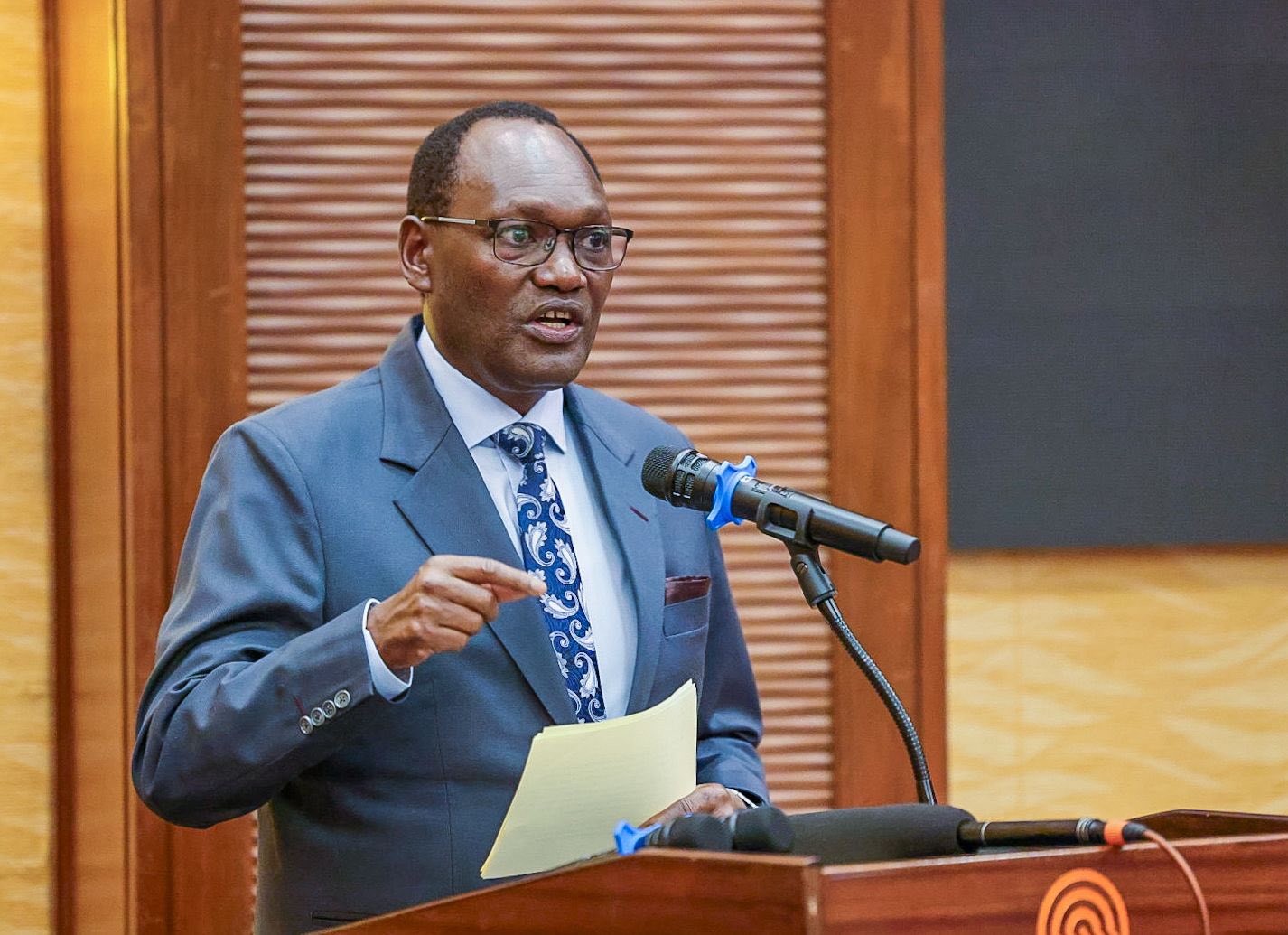
Treasury principal secretary Chris Kiptoo said the additional resources were approved outside normal budget cycles to accelerate reforms demanded by the Financial Action Task Force.
FATF had placed Kenya on its monitoring list in June 2024 over weaknesses in anti-money laundering and counter-terror financing controls.
Kiptoo said the funds were intended to help implementing institutions address strategic deficiencies flagged by the FATF and complete outstanding reforms before the next review cycle in April.
“Additional funding has been approved over and above regular institutional budgets for Anti Money Laundering-Counter-Terrorist Financing implementing agencies,” said Kiptoo.
“This enhanced support is intended to ensure that institutions have the financial capacity to address identified deficiencies, accelerate reforms and strengthen supervision, enforcement and coordination efforts.”
He pointed out that the funds, which were approved under Article 223 — which allows emergency spending without prior parliamentary approval, underscores the urgency surrounding Kenya’s effort to exit the grey list.
Kenya had failed to exit the list in the last FATF review, a status officials warn is hurting investor confidence and raising the cost of doing business.
Treasury told a multi-agency meeting in Nairobi, that Kenya has fully addressed 10 of the 21 action items required by the FATF but faces tight deadlines on the remaining measures, some of which are already overdue.
Authorities say resources have been channelled to agencies responsible for investigations, supervision and enforcement, including financial sector regulators, law-enforcement bodies and sectoral oversight institutions.
But officials declined to disclose how much funding had been released or how it has been distributed among agencies.
The PS noted that agencies had been directed to integrate AML-CFT priorities into their normal annual budgets to avoid future reliance on emergency financing.
Authorities say regulators have also deployed experts to support designated non-financial businesses and professions such as real estate and mining, sectors viewed as vulnerable to illicit financial flows.
Kenya has also moved to regulate digital assets through the Virtual Asset Service Providers Act 2025, bringing cryptocurrency platforms under licensing and reporting obligations.
From the forum it emerged that the multi-agency task force is drafting regulations to curb misuse of digital assets for illicit transactions, a key concern raised during FATF reviews.
They warned that prolonged grey-listing could increase scrutiny of international transactions, deter foreign investment and raise borrowing costs for Kenyan businesses.
Kenya’s push for infrastructure financing, public-private partnerships and aviation expansion projects could also face headwinds if compliance gaps persist.
Despite the urgency, officials acknowledged that funding alone will not be enough.
“The FATF requires evidence that our laws are operational, enforced and producing results, Pointing to the need for successful prosecutions and measurable enforcement outcomes.”