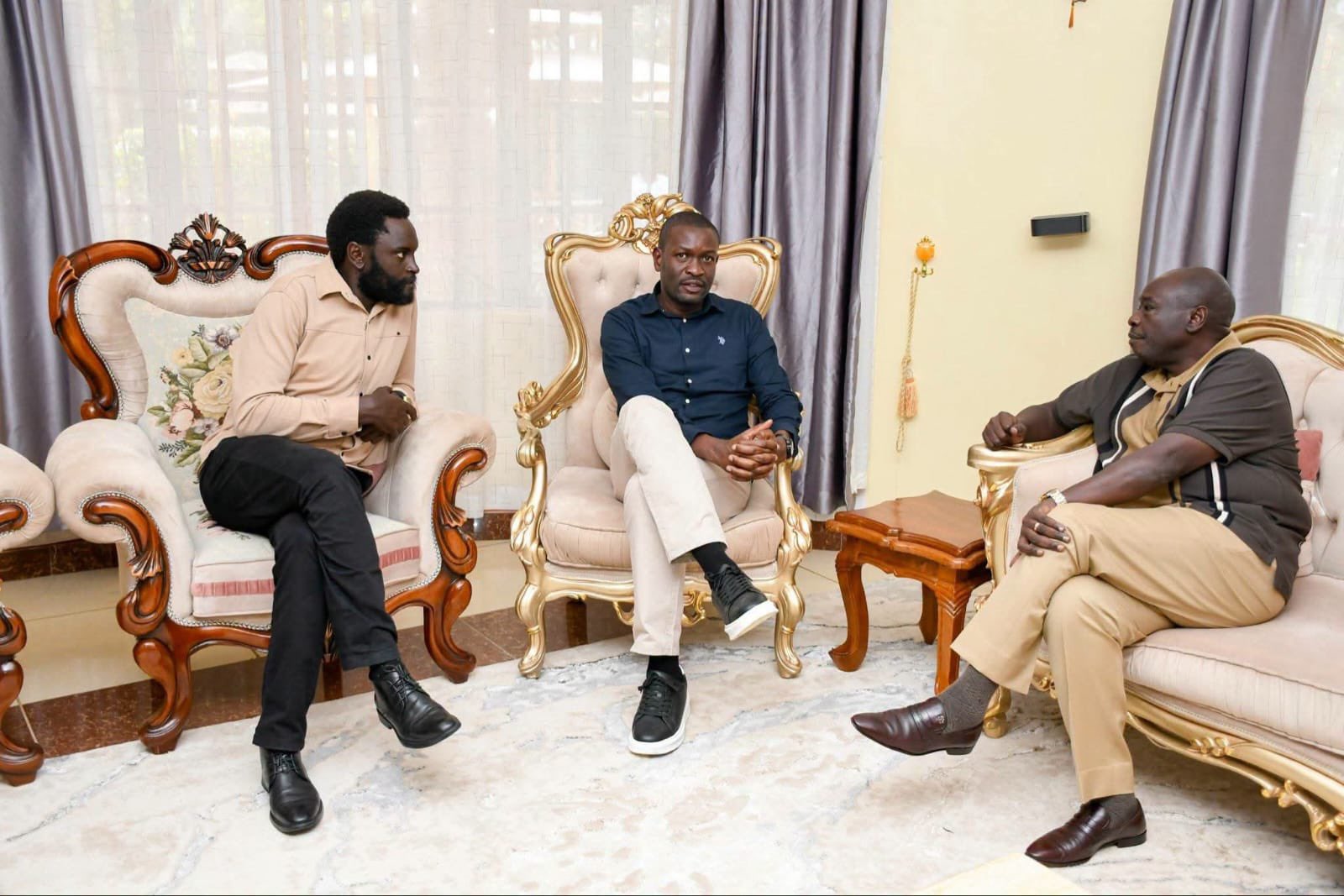
Senators have raised concerns over a revenue collection agreement between Narok County and Kenya Airports Parking Services (KAPS) Limited.
They have also called for a forensic audit of the system used to collect park fees at the Maasai Mara National Reserve.
The issues surfaced following revelations that the 2014 contract between Narok County and KAPS limits the county’s ability to exit the agreement.
Narok County officials told the Senate County Public Accounts Committee (CPAC) that the administration has only read-only access to the system’s back-end, limiting its ability to interrogate the data.
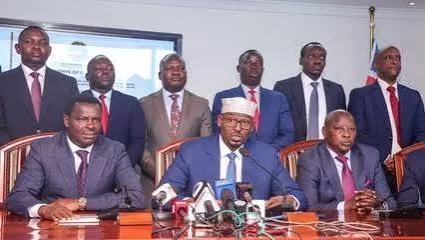
The matter was discussed when Narok officials appeared before CPAC on Tuesday to respond to audit queries raised by Auditor-General Nancy Gathungu.
The audit noted several irregularities, including continued cash payments despite system automation and incorrect classification of visitors.
In some instances, clients initially recorded as non-residents later produced identification confirming East African residency, prompting concerns about potential revenue leakages.
Narok Finance Executive David Muntet told the committee that the county can view revenue figures generated by the KAPS system but cannot interrogate the back-end data.
“Only some of our staff have visibility of the system unlike that of JamboPay, which is managed by our staff,” Muntet said, referring to another revenue collection platform used by the county.
CPAC chairperson Moses Kajwang’ described the admission as alarming, noting that Maasai Mara accounts for the bulk of Narok’s own-source revenue. Narok collected Sh5.9 billion in the financial year ended June 30, 2025, against a potential of Sh8.5 billion, with a significant portion derived from park fees.
“If you don’t have access to the back-end, you cannot say with certainty that the Sh5 billion declared is what was actually collected," Kajwang’ said. Nairobi Senator Edwin Sifuna added: “This basically means you have put your full trust in the system.”
Governor Ntutu defended the arrangement, saying the county stations its own clerks at park gates to record entries independently before reconciling figures with KAPS.
“Everything is open for all to see, but we are in the process of coming up with our own system,” he said, while acknowledging that the contract includes clauses that make early termination costly. Under the deal, the county remits 6.5 per cent of total monthly revenue processed through the system as service fees to KAPS.
Senators insisted on a full audit of the system to verify the integrity of collections.
“We want assurance that whatever is collected is recorded. We need a system audit of revenue collection in Narok,” Kajwang’ said.
The Auditor-General’s report indicated that revenue officers at park gates are allowed to accept cash payments. During the year under review, Sh26 million and USD 608,550 were collected in cash.
The report noted that such payments could expose the county to risks of theft, fraud, or misappropriation and that cash transactions do not provide a reliable audit trail, limiting independent verification of revenue collected.
Governor Ntutu said the multi-payment system, which includes card payments, mobile money, bank transfers, and cash, enhances convenience for visitors.
“All these payment modes are captured in the system and are verifiable in real time through compliance applications both in KAPS offices and in the county government,” he said.
He added that the system reconciles all payment modes, including cash, and generates daily summary reports, asserting that there is no possibility for loss.
The committee also examined a decline in collections from other revenue streams. County officials attributed the drop to insecurity linked to clashes in Trans Mara and flooding in parts of the Mara Triangle, but senators questioned the explanation.
“I don’t think insecurity can affect collection of land rates and flooding in Maasai Mara can affect a single business permit levy which dropped by Sh6 million. Were hotels operating without licences?” Sifuna asked.
Kajwang’ noted that park fee collections grew by Sh1.1 billion, suggesting tourism remained strong.
“My feeling is that we are being treated to a lot of stories,” he said.
Governor Ntutu said his administration had improved revenue performance, growing collections from Sh1.3 billion when he took office to Sh5.9 billion, with a target of Sh7 billion.
“We continue to strengthen other revenue streams so that we do not over-rely on park fees and hospital fees,” he said.