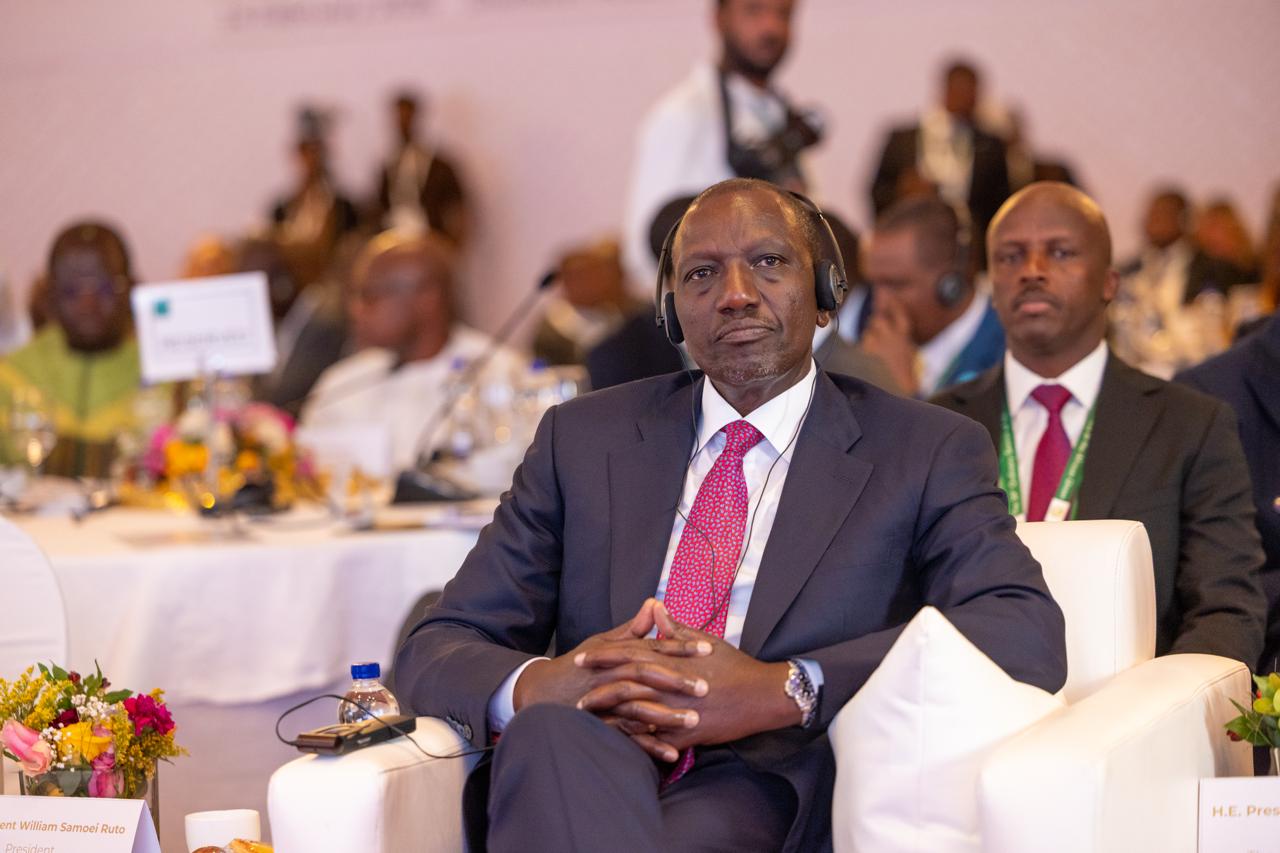
President William Ruto has called for urgent action to move the African Continental Free Trade Area (AfCFTA) from negotiation to full implementation, stressing that the agreement must deliver tangible benefits to Africa’s 1.4 billion people.
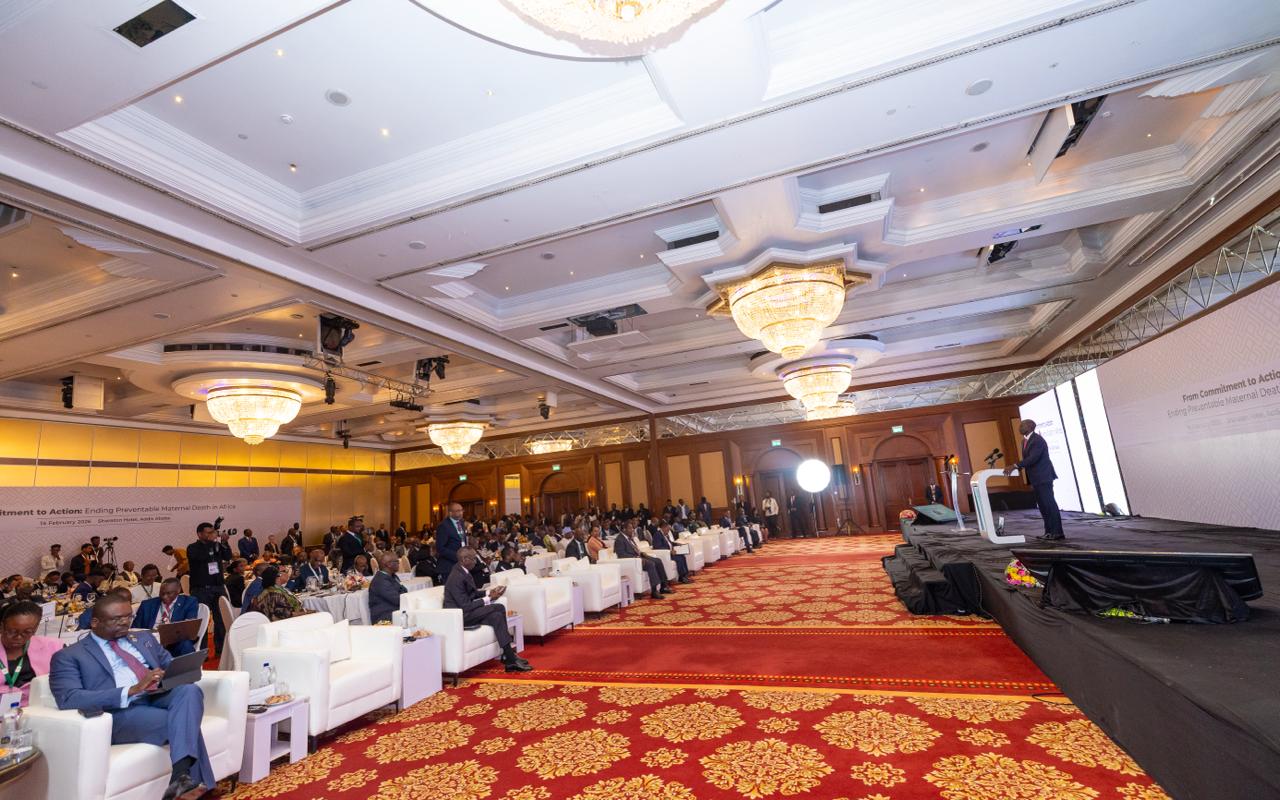
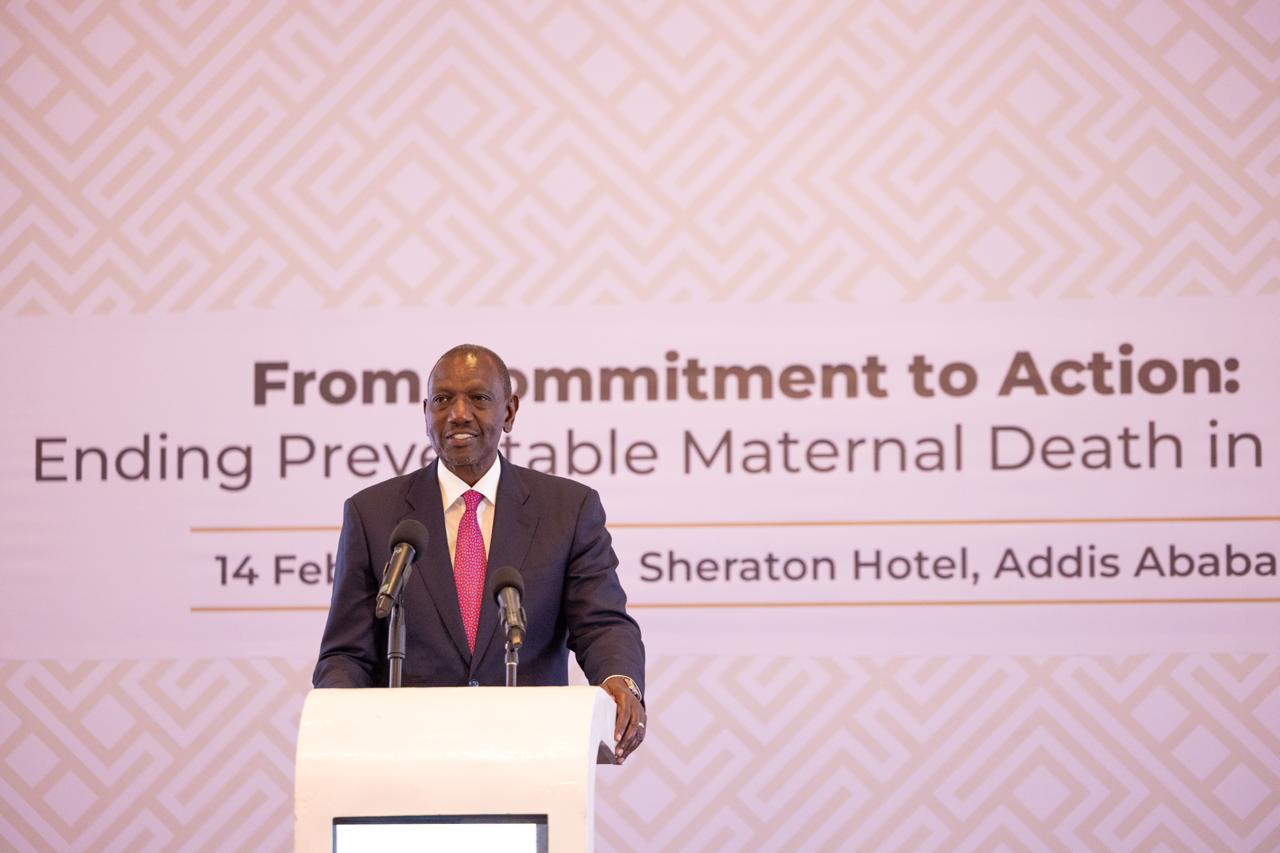
Speaking at the inaugural meeting of the Committee of Heads of State and Government on AfCFTA Implementation in Addis Ababa, Ethiopia, President Ruto said the trade pact has the potential to transform the continent’s economy.
“By bringing African markets together, the AfCFTA will lay the foundation for structural economic transformation by accelerating industrialisation, deepening value addition, and driving broad-based growth at a continental scale,” he said.
The President noted that the AfCFTA could increase intra-African trade by up to $3 trillion and raise Africa’s cumulative GDP by about $1.4 trillion between 2021 and 2045 if implemented effectively.
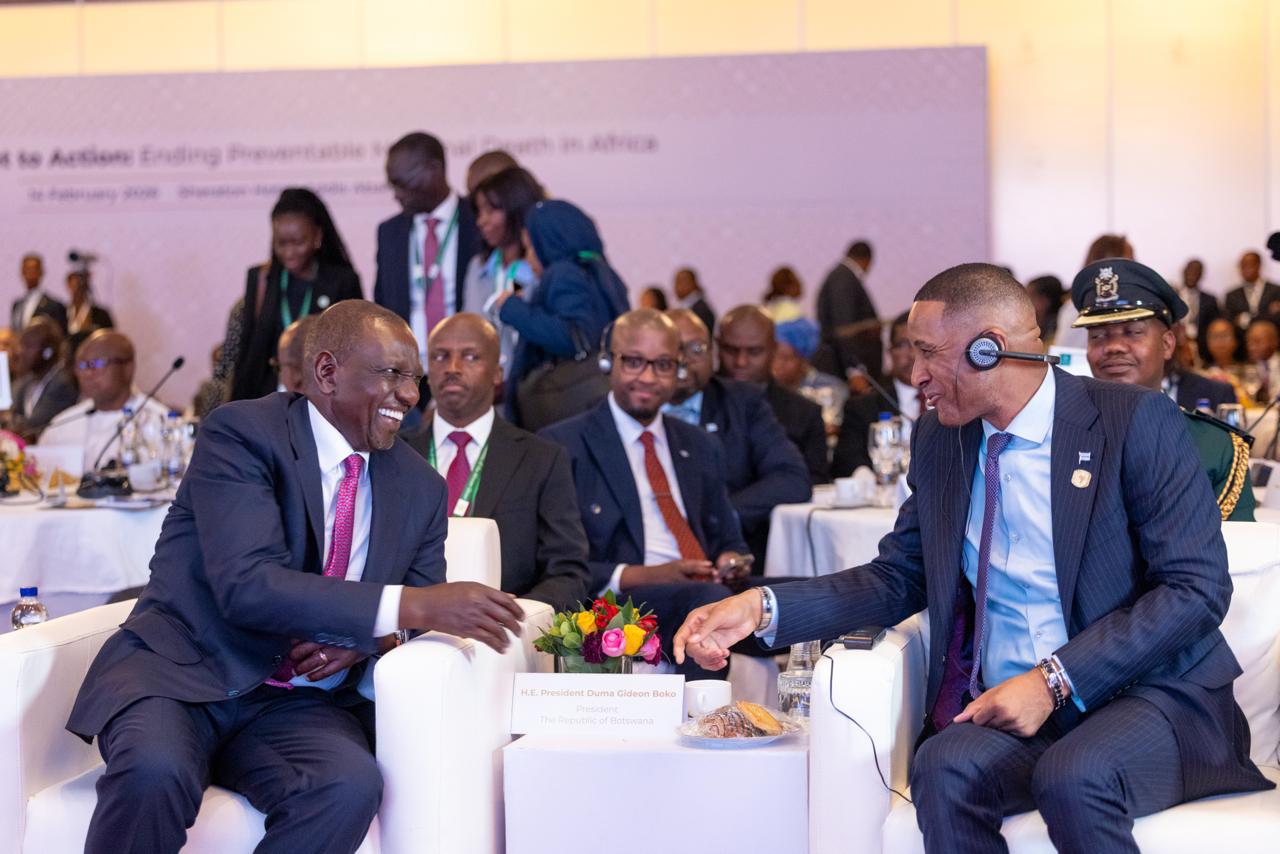
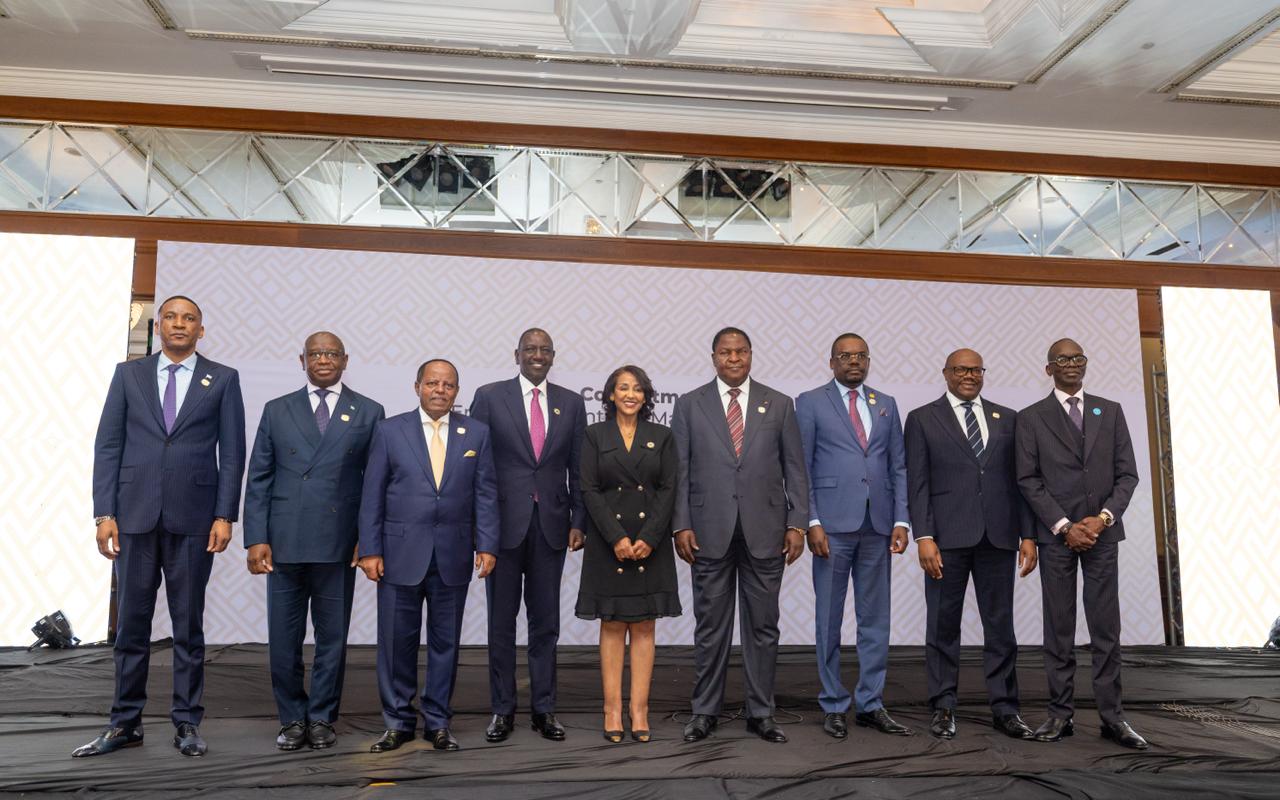
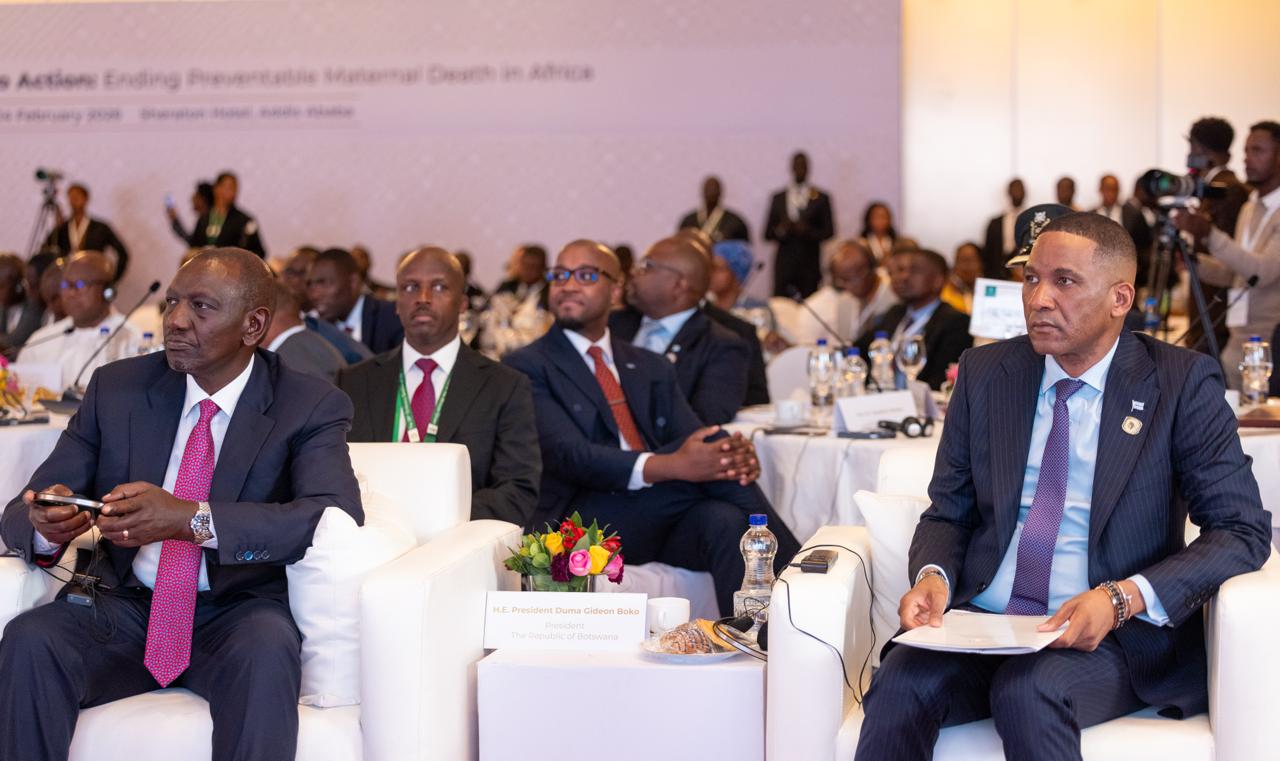
President Ruto, who chairs the committee and will be deputised by Botswana’s President Duma Boko, said the agreement’s success depends on disciplined execution and sustained political leadership.
“The establishment of this committee reflects our shared acknowledgement that successful implementation requires sustained high-level political leadership, strategic direction, and regular accountability,” he said.
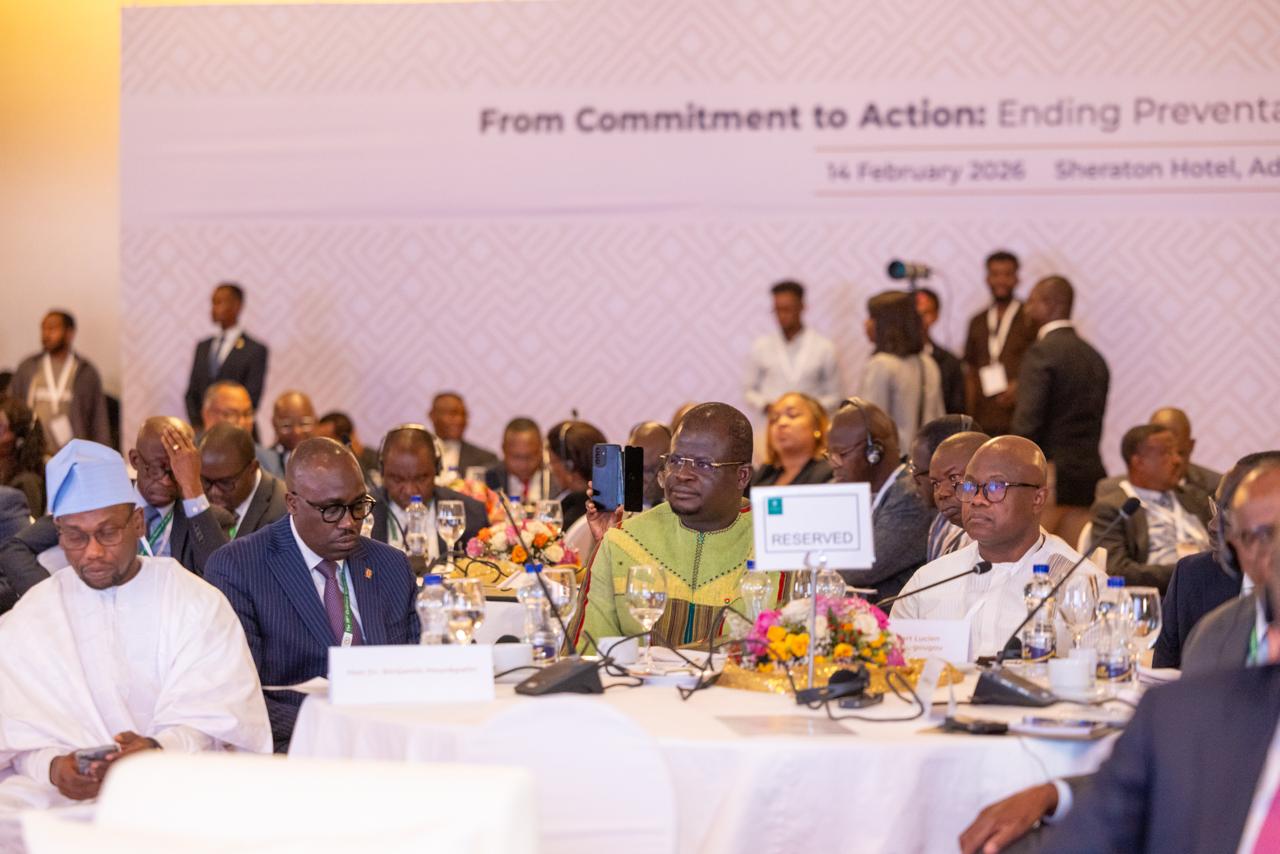
The meeting was attended by Presidents Évariste Ndayishimiye of Burundi and Duma Boko of Botswana, as well as Secretary-General of the AfCFTA Secretariat, Wamkele Mene.
President Ruto said the committee’s central focus will be to strengthen partnerships with the private sector, which he described as essential to driving production, trade, and job creation under the AfCFTA framework.
“Africa’s private sector already accounts for the majority of production, investment, credit uptake, and employment across our economies. Its full participation is therefore indispensable to the success of this agreement,” he said.
He highlighted the need to support micro, small, and medium enterprises (MSMEs), which employ large numbers of women and young people.
He urged that AfCFTA instruments and national policies be designed to facilitate, rather than hinder, their participation in cross-border trade.
“Our approach should be guided by urgency, practicality, coordination, and outcomes. With focused execution, Africa can strengthen its position as a competitive and resilient economic bloc,” President Ruto said, underlining the need for concrete actions to turn the trade agreement into real economic opportunities for African citizens.