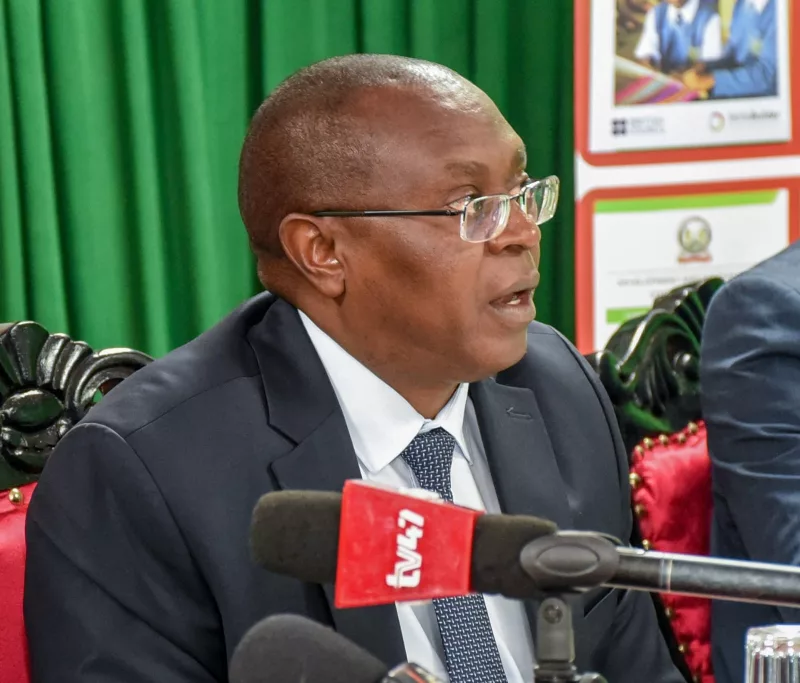
Kenya is positioning its youthful population as a strategic advantage in global agriculture, Cabinet Secretary for Agriculture and Livestock Development Mutahi Kagwe has said.
Speaking at the 49th Session of the Governing Council of the International Fund for Agricultural Development (IFAD), CS Kagwe described Kenya’s youth bulge not as a challenge but as a “powerful demographic dividend.”
He said this gives the country a comparative edge at a time when nations such as the United Kingdom and other European countries face ageing populations and shrinking workforces.
“Kenya is fortunate to have a strong youth population dividend. For too long, we have viewed our young people as a challenge. But youth is not a problem to manage; youth is an opportunity to unlock and agriculture is where that opportunity lies,” CS Kagwe stated.
To harness this potential, Kagwe proposed structured six-month agricultural internship exchange programmes with partner nations experiencing demographic decline.
The programme will allow Kenyan agricultural students to gain hands-on experience in advanced mechanisation, climate-smart agriculture, value addition, and agribusiness systems abroad.
Upon returning, they will be equipped to drive commercialisation under Kenya’s Land Commercialisation Initiative.
CS Kagwe added that while many interns will return to apply global expertise locally, some could also be absorbed into host-country labour markets where workforce shortages exist.
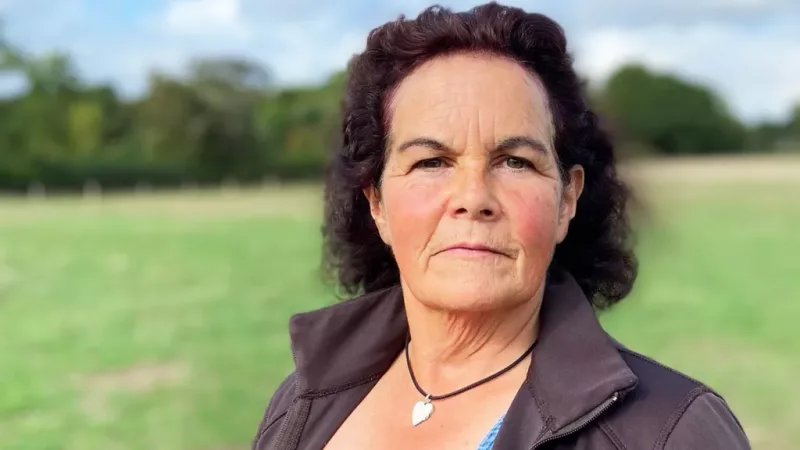
During a bilateral engagement with the UK delegation, led by Ruth Davis, alongside UK Ambassador to Italy and Permanent Representative to UN Agencies in Rome Evelyn Ashton, the ageing demographic in the UK was openly acknowledged.
The delegation described Kenya’s proposal as timely and “mutually beneficial,” signalling willingness to scale up collaboration.
The Kenyan government is concurrently transforming agriculture from a subsistence activity dominated by ageing farmers into a modern, commercially driven sector.
Through market-oriented training in agricultural colleges, global benchmarking, a Youth Hub within the Ministry, and leasing idle public land for productive use, young agripreneurs are being linked with land and opportunities to commercialise production.
“The shift is simple. Produce not just for subsistence, but for markets. Add value. Increase productivity per acre. Strengthen farmer incomes,” Kagwe emphasised.
Measurable improvements are already being seen. Quality standards, yields, and market linkages are rising as youth participation increases.
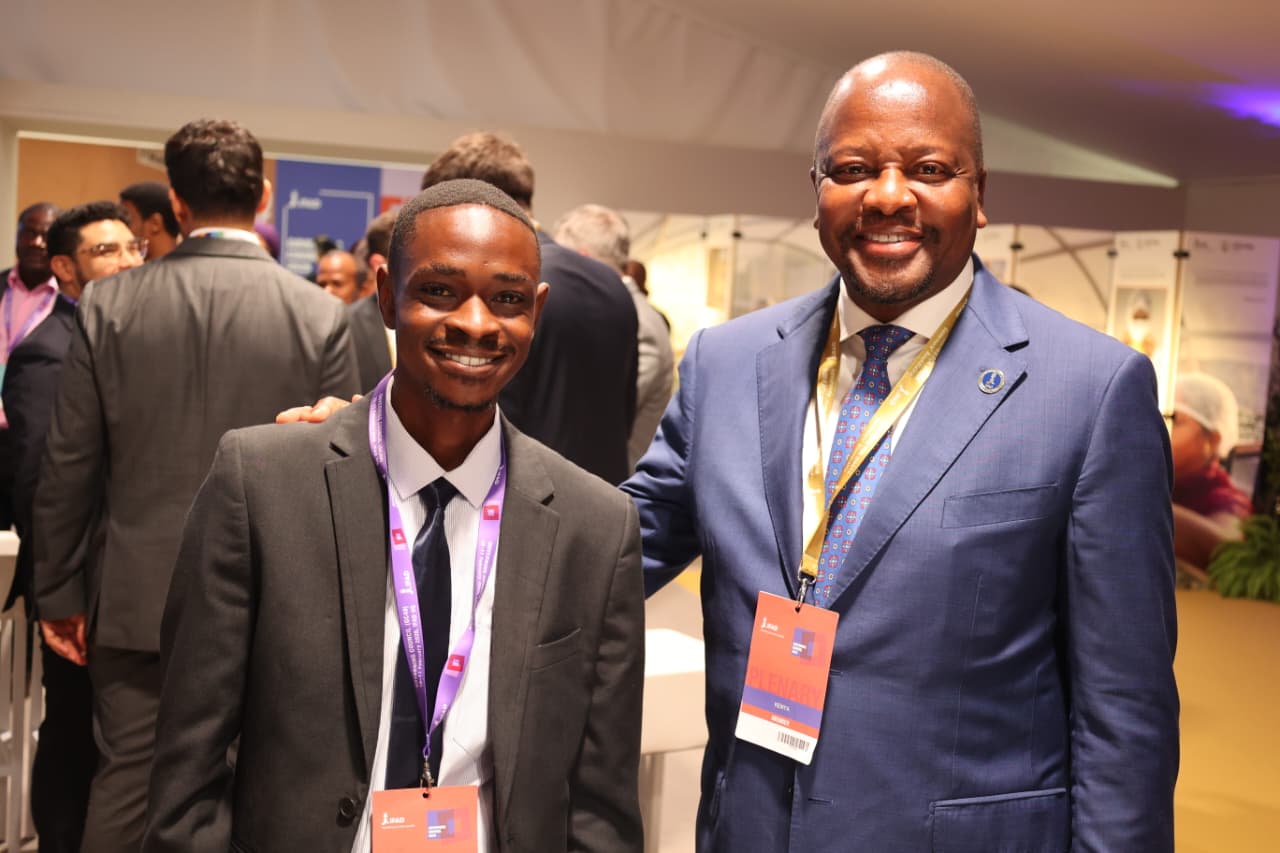
The IFAD delegation, which included Principal Secretary for Livestock Development Jonathan Mueke and the Principal Secretary for Water, stressed that agriculture, water, livestock, and youth empowerment must work together to achieve food security and economic stability.
CS Kagwe concluded by underlining the wider societal impact of youth-driven agriculture.
“When young people earn from agriculture, we reduce hunger, restore dignity, and strengthen national stability. Food security is not just about production — it is about opportunity,” he said.
The proposed overseas internship programmes, combined with domestic initiatives to commercialise agriculture, signal a strategic pivot. Kenya is leveraging its youth as a resource to transform both local and global agricultural landscapes, while addressing the labour shortages faced by ageing nations abroad.