
Residents of Wajir going about their businesses./STEPHEN ASTARIKO.

Residents of Wajir going about their businesses./STEPHEN ASTARIKO.
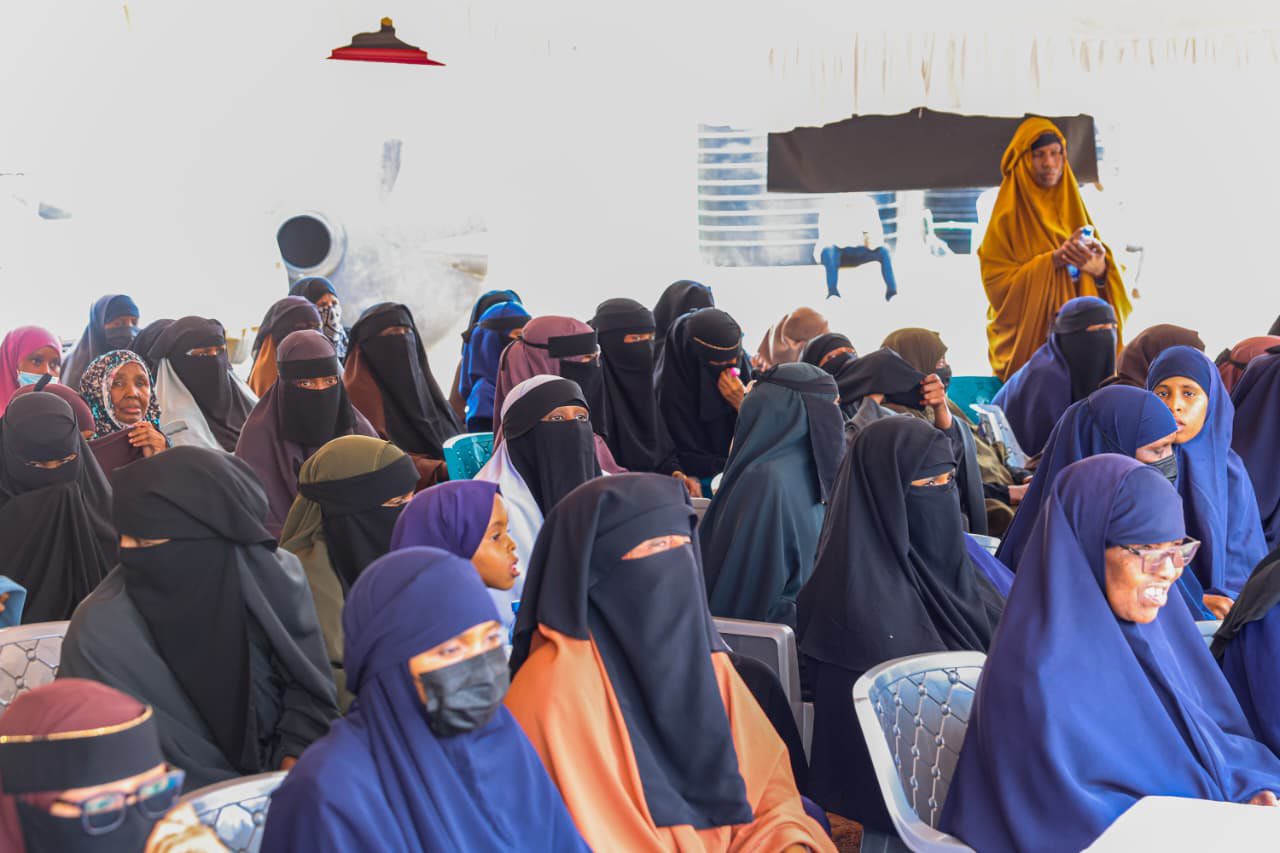
Stakeholders in Wajir have made decision to have all sexual and gender-based violence cases handled through the criminal justice system instead of the local Maslaha.
Maslaha is an informal clan-based arbitration system that prioritises family and community honour over criminal accountability. It has often seen criminals walk away after offering animals while victims are left to carry their scars throughout their lives.
The decision to scrap Maslaha in such cases followed growing concern over rising cases of rape and defilement in the county, where deeply entrenched patriarchal norms have long influenced how abuse is addressed.
At a two-day forum held in Wajir town, community elders, religious leaders, women and youth representatives, civil society groups, security agencies, and county officials unanimously resolved that SGBV cases must be handled strictly through the formal criminal justice system.
“We have collectively agreed to confront gender-based violence and end the use of the Maslaha system in these cases. We must find a lasting solution so that victims can access justice,” Adan Abdi said.
Abdi is the Wajir county director of peace building.
The forum was organised by Italy-based Volontaria Association in partnership with DAWN and the Wajir county government.
Reliance on Maslaha has continued to undermine enforcement of strong national legislation, particularly in rural areas where elders wield significant influence.
Retired chief Abdishakur, speaking on behalf of community elders, endorsed the shift toward formal legal processes.
“This is not the first time we are
discussing this issue. Let us agree today that such matters should be left to
the police and the courts,” he said.
Civil society leaders warned that
clan loyalty has often obstructed justice in cases of sexual violence.
“Clan members frequently intervene to defend perpetrators simply because they belong to their community. Cases of rape are increasing, and the situation is becoming unmanageable," said Fatuma Yusuf who chairs the Wajir county Civil Society Consortium.
She said stakeholders ought to speak with one voice to address the challenge.
"Let us agree not to involve clans or communities in resolving these cases,” she said.
At the conclusion of the forum, stakeholders adopted a seven-point resolution declaring that all SGBV cases must be reported, investigated and prosecuted strictly through the formal criminal justice system.
Alternative dispute resolution mechanisms were declared unacceptable in such matters, and community and religious leaders were urged to refrain from facilitating informal settlements.
Peace committees were directed to remove SGBV cases from their mediation roles and instead serve only as referral points to law enforcement and the courts.
County and national institutions were further called upon to strengthen coordination to ensure timely justice and establish monitoring mechanisms to guarantee compliance.
Sheikh Hassan Ahmed Hussein, Deputy Vice Chairperson of SUPKEM’s Wajir Branch, emphasised that religion should never be used to shield offenders.
“Once rape is confirmed, elders should not interfere,” he said.
Veteran peace advocate Abdi Billow
described the resolution as a turning point in Wajir’s fight against
gender-based violence, stressing that effective action requires justice through
the courts, survivor-centred support and collective responsibility.
The move aligns with earlier warnings from the Judiciary.
During a supervision tour of lower courts last year, Garissa High Court Presiding Judge John Onyiego cautioned elders against handling serious criminal offences through traditional systems.
“Crimes such as rape, defilement, terrorism, murder, FGM and early marriage should never be handled through Maslaha. The law does not allow it,” he said, warning that elders who preside over such cases risk legal consequences.
By formally outlawing traditional arbitration in SGBV cases, Wajir county is closing a long-standing justice gap that has left many survivors without protection and allowed impunity to persist.