MUHURI calls on President Ruto to end extrajudicial killings and enforced disappearances, expose perpetrators.
Muslims for Human Rights (MUHURI) has called on President William Ruto to personally assure residents of Northeastern Kenya that the persistent cases of extrajudicial killings and enforced disappearances in the region will finally come to an end.
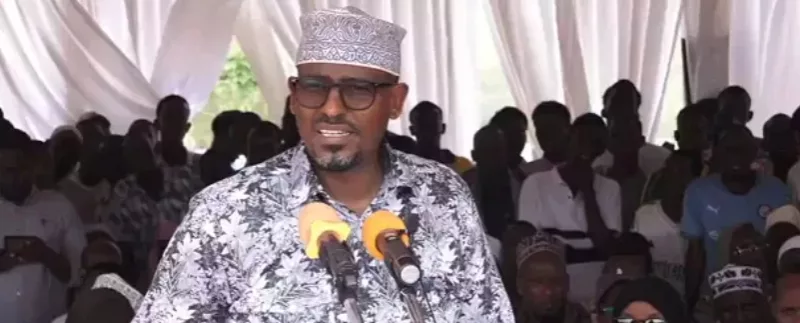
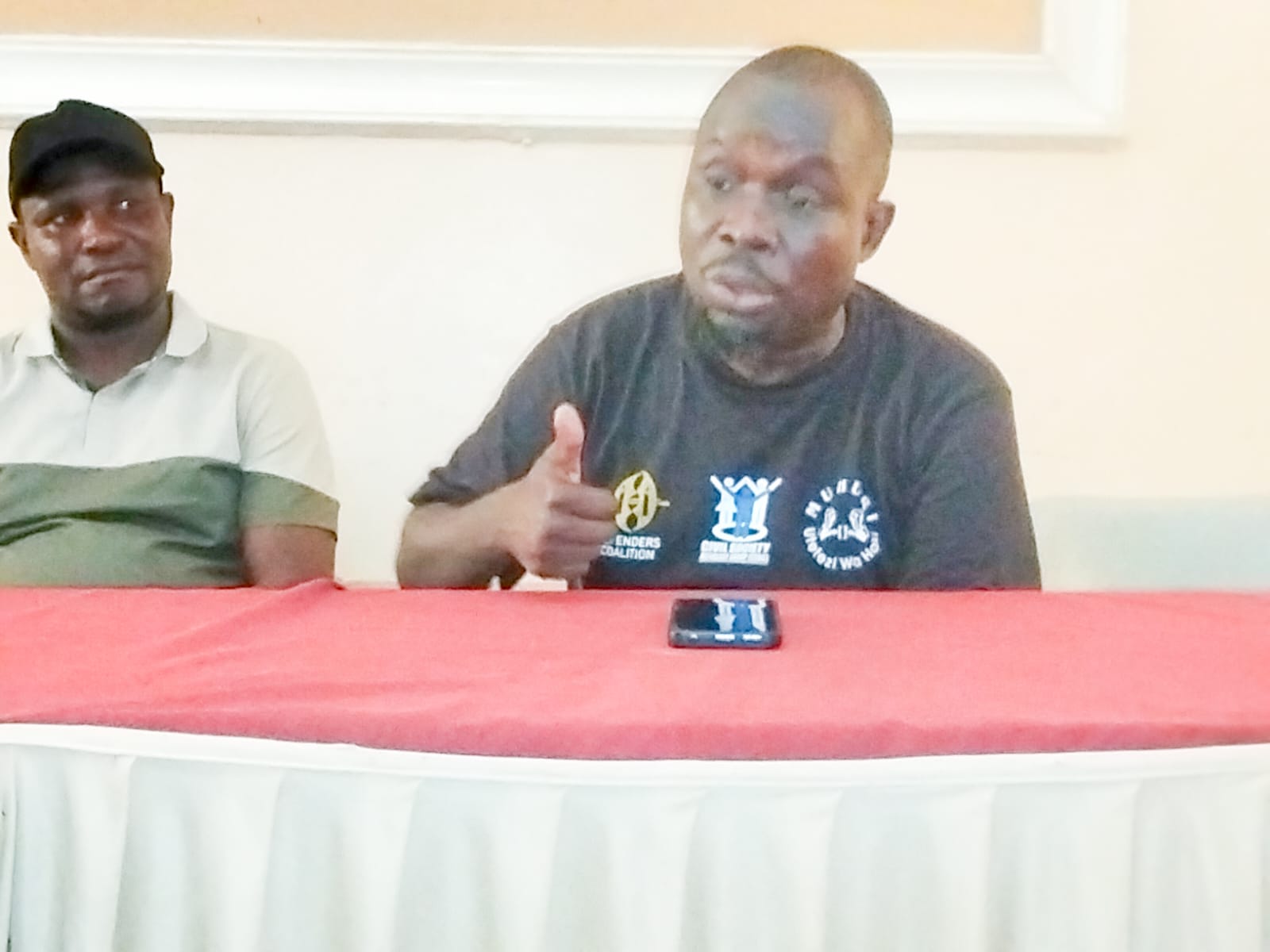
Speaking to the press in Garissa town after a fact-finding mission, MUHURI officials led by Francis Auma, Abdirahman Mwangoka and Abdihakim Shurie expressed deep concern that such atrocities continue to be reported, despite repeated assurances by the President during the election campaigns and after assuming office that the vice would be a thing of the past.
The officials took issue with the recent abduction of 80-year-old Sambur Shambara, who was allegedly picked from his homestead in Holugho town on February 7 by individuals suspected to be police officers driving unmarked vehicles.
The elderly man was later dumped several kilometres away after reportedly being subjected to psychological and physical trauma.
Auma described the incident as one of many similar cases that continue to plague the region, calling on President Ruto to offer firm and unequivocal assurances to residents that such violations will no longer occur.
“This is a government that campaigned on a platform of protecting the rights of the people, especially the marginalized. So when people, both the young and the elderly, are picked from their homes and either disappear or are subjected to torture, then something is seriously wrong,” he added.
He added that as the Commander-in-Chief of the armed forces, the President bears the ultimate responsibility of ensuring the safety and rights of all citizens.
“We hope the President will address this matter and give residents the assurance they want to hear from him. The government needs to protect its citizens, not be the one harassing and killing them under the pretext of fighting terrorism,” Auma said.
MUHURI’s concerns come against the backdrop of remarks made last year by Deputy President Kithure Kindiki during a tour of Garissa, where he reiterated that the government would not condone extrajudicial killings or any counterterrorism measures that violate human rights. Kindiki noted that ending such practices was a key commitment in the Kenya Kwanza manifesto, following years of allegations that suspects were arrested by police only to disappear without trace.
Auma also weighed in on the government’s decision to scrap the long-standing vetting process for national identity cards in northeastern Kenya, noting that while the move was welcome, implementation remained problematic.
In February last year, President Ruto signed a decree eliminating vetting requirements for residents of the region applying for national identification documents. However, Auma said applicants still face lengthy delays before receiving their IDs.
“In practice, the new structure is not any better than the previous one. Applicants still have to wait for months to get their ID cards,” he said. “The President should be alive to this reality and ensure these challenges are addressed, because it is the right of every Kenyan to have an ID.”
Abdirahman Mwangoka said interviews conducted with residents during the fact-finding mission revealed deep-seated frustration and a feeling of exclusion, with many saying they are treated as second-class citizens when it comes to human rights protections and access to basic services.
He stressed that more deliberate efforts are needed to restore trust and ensure that residents of the region enjoy the same rights and freedoms as other Kenyans.
Ends…….