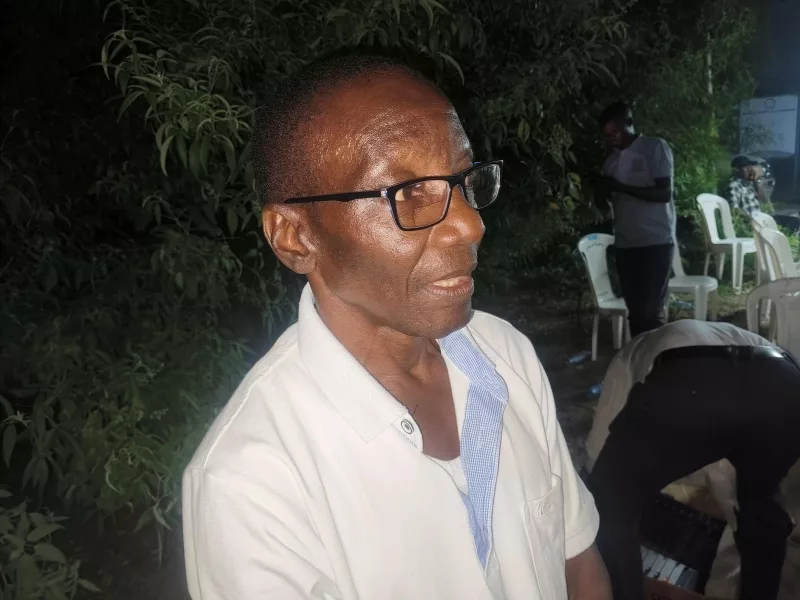
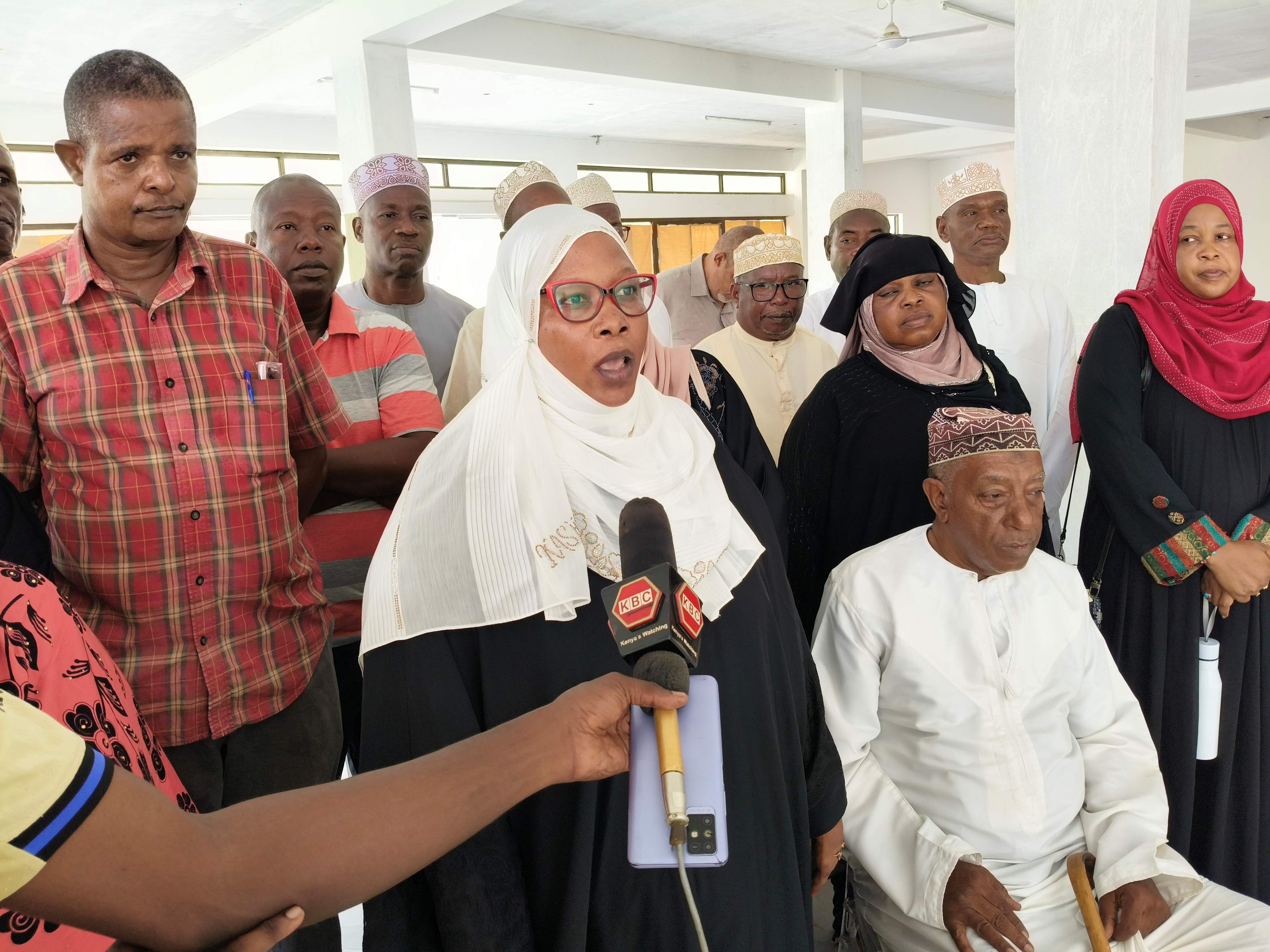
 Salma Mwachaka, a community member, at the Serani Sports
Ground on Monday / BRIAN OTIENO
Salma Mwachaka, a community member, at the Serani Sports
Ground on Monday / BRIAN OTIENO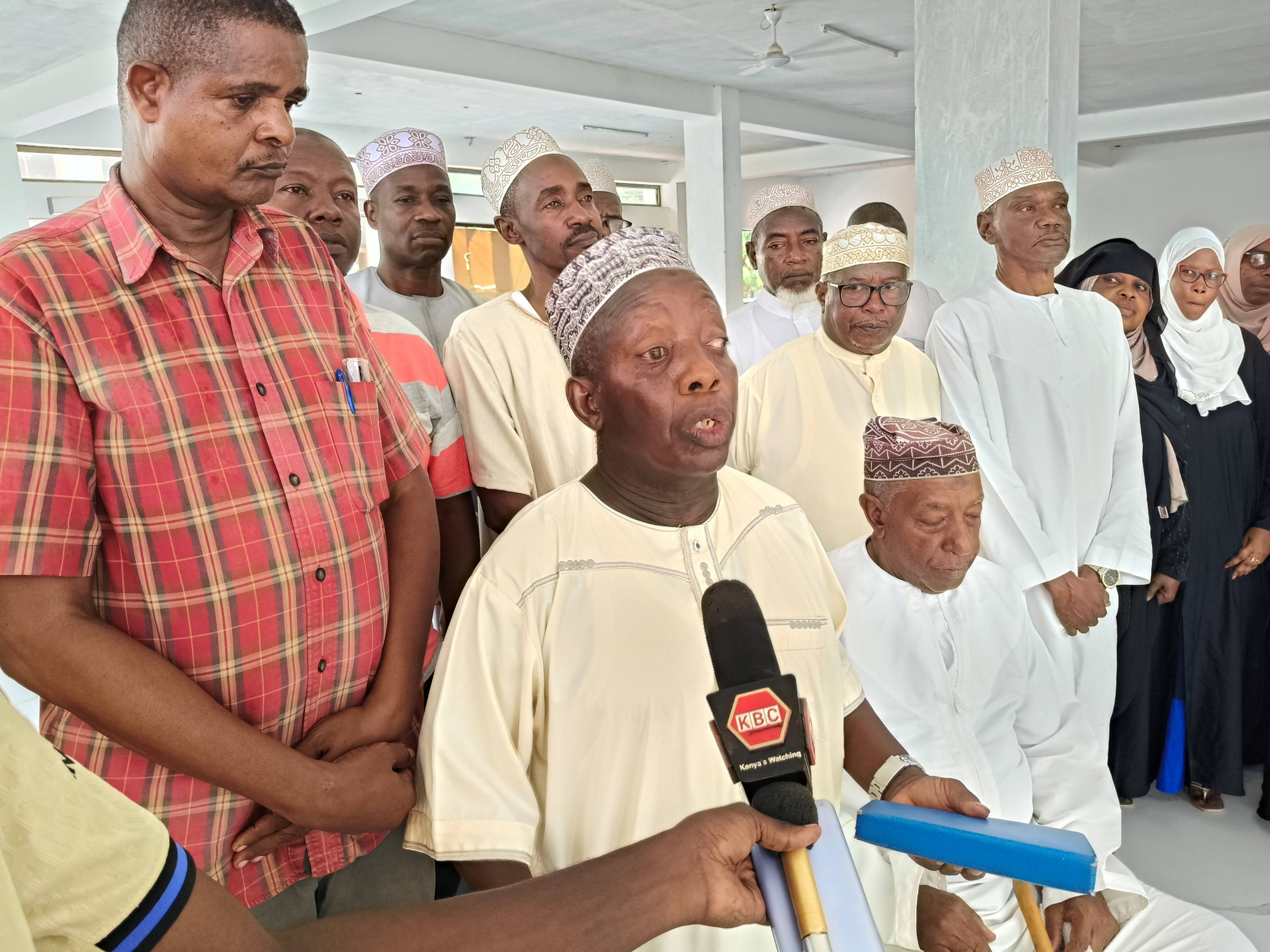 Mohamed Mwinyipembe, a member of the Changamwe
sub-tribe of the Swahili community, at the Serani Sports Ground on Monday /
BRIAN OTIENO
Mohamed Mwinyipembe, a member of the Changamwe
sub-tribe of the Swahili community, at the Serani Sports Ground on Monday /
BRIAN OTIENO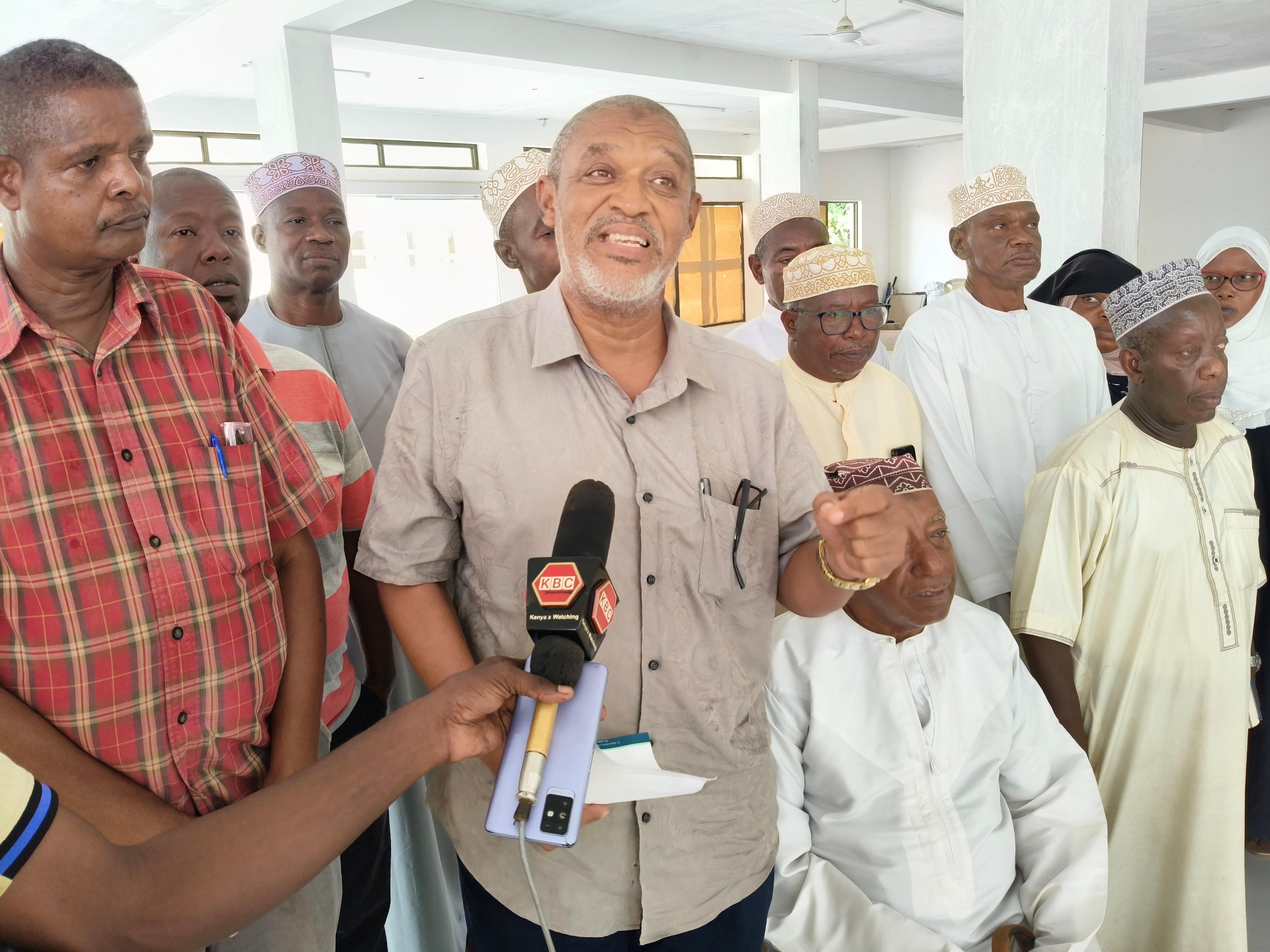 Alawy Abzein, a member of the Swahili community, at
the Serani Sports Ground on Monday / BRIAN OTIENO
Alawy Abzein, a member of the Swahili community, at
the Serani Sports Ground on Monday / BRIAN OTIENO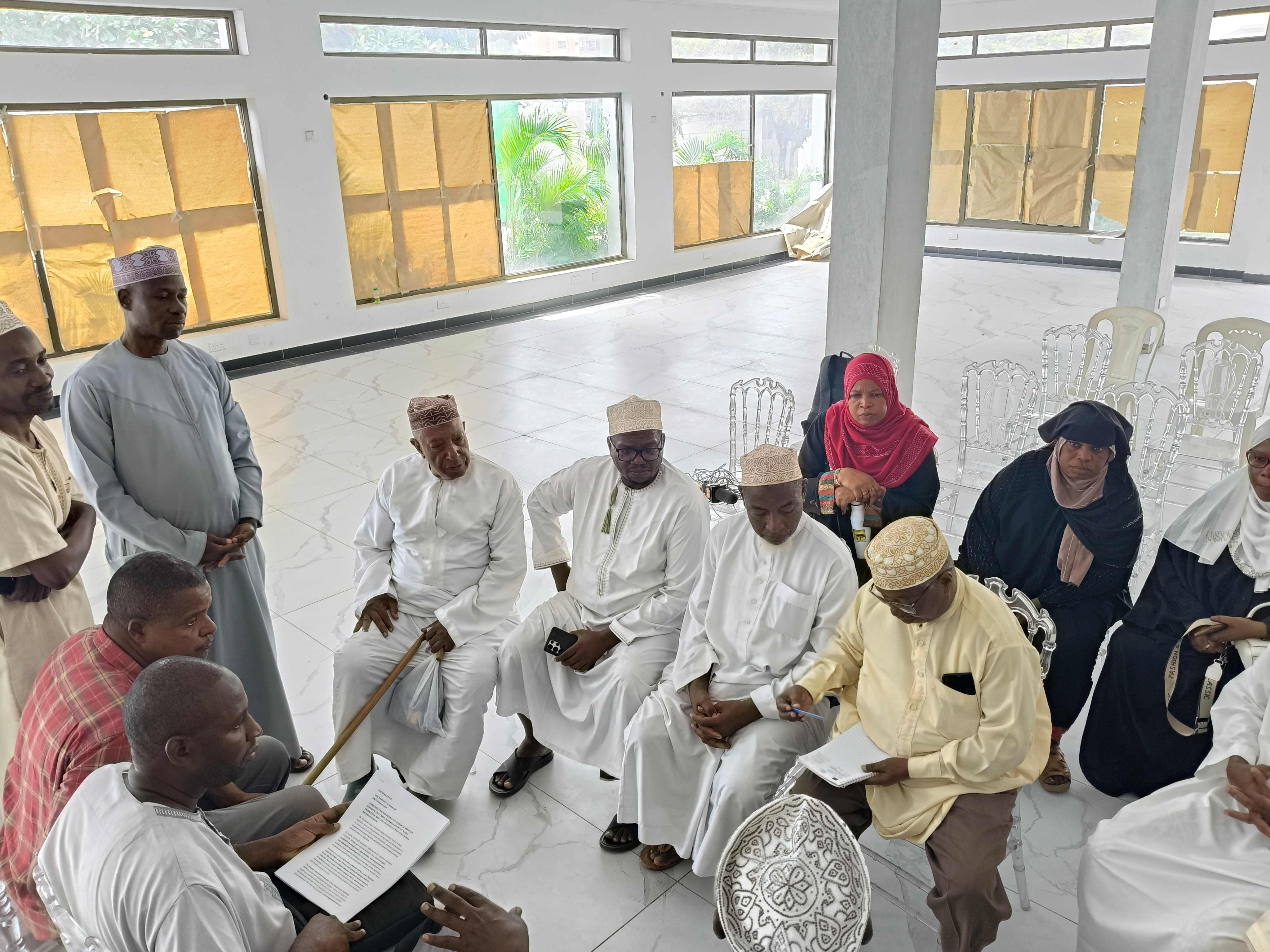 Members of the Swahili community at the Serani Sports
Ground on Monday / BRIAN OTIENO
Members of the Swahili community at the Serani Sports
Ground on Monday / BRIAN OTIENOMembers of the Swahili community in Mombasa on Monday claimed they are being systemically excluded in government because they are a minority community.
They claimed they are continually being marginalized in matters public employment and leadership appointments, and that their ancestral resources are being mismanaged after they are pushed out of their management.
Speaking at Serani Sports Ground, the community members, led by Alawy Abzein and Mohamed Mwinyipembe, they also claimed they are not in any national decision-making processes that directly affect their daily lives.
Abzein said for decades, the Swahili community, indigenous to the Coast and custodians of its culture, heritage and economic backbone, has remained largely excluded from employment opportunities, board appointments, and ambassadorial postings within key government parastatals and institutions.
“This is especially troubling given that many of these institutions are located and operate within the Coastal region, which is our ancestral home,” Abzein said.
He said the government policy dictates that an institution in any area must have about 65 to 70 per cent of its staff from the local area.
He noted that this is not the case with public bodies and entities.
He said these institutions draw heavily from Coastal resources and communities, yet the Swahili people remain invisible in their leadership and decision-making structures.
“It pains that parents educate their children but are still denied employment opportunities in these entities. It is not like our children are nor educated,” Abzein said.
He said majority of lands taken for mega projects at the Coast remain largely uncompensated for.
Mohamed Mwinyipembe, a member of the Changamwe sub-tribe of the Swahili community, said lands belonging to their parents were taken away from them for development purposes without compensation.
The former director of quality assurance and standards in the Education ministry they were them made squatters on their own lands.
“Why isn’t the government giving us title deeds to the little lands that were left for us?” Mwinyipembe posed.
He said the Swahili are a minority, marginalized and disadvantaged, yet they are not given priority like other minority, marginalized and disadvantaged communities.
“Just analyze the boards in Kenya, even the KPA board which is here in Mombasa. If you see a Swahili person in there tell me,” Mwinyipembe said.
He said the Swahili do not reach even an eighth of the staff in all entities at the Coast, and the ones lucky enough to be there are mostly cooks and errand people.
“We are told that we, the Swahili, are not learned, or even educated. But we have degrees. Tell us then, what is being learned? What level should we get to to now be considered learned?” he posed.
“I thought anyone who has the first degree is a scholar. Has there been any analysis to show that the Swahili are not learned?”
He said scholarships are not given to the Swahili children.
“Right now there are many positions at KPA and other entities have been advertised. Go see the shortlisting, who will be there and whether you will see Swahili children there. Then they end up abusing drugs and slashing people with machete. It is because they are being frustrated,” Mwinyipembe said.
Salma Mwachaka, a community member, said those who suffer the most amongst them are the persons with disability.
“We are not given enough representation,” she said.
Mwachaka noted that there are only two public schools for persons with disability in the whole of the Coast region.
“These institutions should be increased so as to help this PWD community,” she said.
She said the Swahili youth need empowerment so as to disentangle themselves from the web of crime and drug abuse, which is brought about by the frustrations they go through under successive regimes.
Former councilor Mohammed Bashir said members of other communities come with letters from Nairobi straight into positions in Coatsal parastatals.
“Aren’t our children good enough to work in those parastatals?” he posed.
He said though they support President William Ruto’s re-election bid, they want a meeting with him whenever he comes to Mombasa next.