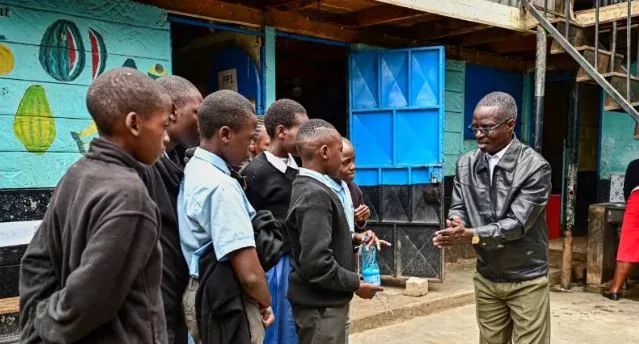
 Zwelethu Bashman, Managing Director of MSD South Africa and Sub-Saharan Africa.
They warn that without this shift, preventable deaths will continue.
A new paper titled Why Africa Cannot Eliminate Cervical Cancer Without Expanding HPV Vaccination Beyond Adolescent Girls warns that current policies are too narrow for high-burden countries like Kenya and leave millions of women unprotected.
“Cervical cancer remains one of the leading causes of cancer-related deaths among women globally, despite being almost entirely preventable,” the authors write. “In Africa, it continues to claim lives not because science has failed, but because policy ambition has fallen short.”
The authors are Zwelethu Bashman, Managing Director of MSD South Africa and Sub-Saharan Africa, Marloes Kibacha, Managing Director of Africa Health Business, and Cheyenne Braganza, Senior Project Associate at Africa Health Business.
HPV vaccines can prevent almost 90 per cent of cervical cancer, but most women and girls remain unvaccinated, leaving cervical cancer among the top killers of women worldwide.
“At current rates of vaccination and coverage, hundreds of thousands of African women will die from a cancer that could have been prevented with vaccines already available,” the authors said.
Kenya introduced HPV vaccination in 2019 and currently focuses on girls aged 9 to 14 in primary and secondary school. By the end of 2024, an estimated 60 per cent of eligible girls had received the first HPV vaccine dose.
The paper stresses that many women are now in their 20s and 30s and remain unprotected because programmes came too late for them.
The authors highlight why this gap matters in sub-Saharan Africa, especially for women with weakened immunity.
“Women living with HIV face an even steeper risk, as weakened immune systems make them more susceptible to persistent HPV infection and four to five times more likely to develop invasive cervical cancer. Without urgent action, these inequities will continue to drive preventable deaths across the continent,” the authors said.
They pointed to modelling evidence supporting vaccination of women living with HIV up to age 45. “Modelling shows that vaccinating WLHIV aged 10–45 could reduce new cervical cancer cases by 4.7 per cent overall and by 10 per cent among WLHIV.”
“While adolescent girls remain the priority, millions of women across Africa missed HPV vaccination entirely. Many aged out before programs were introduced, while others were missed due to COVID-19 disruptions. These women, now in their 20s and 30s, represent the largest group at near-term risk and will drive cervical cancer incidence over the next decade if left unprotected.”
The authors reject the idea that vaccination is only useful before sexual debut.
“The evidence is clear. Sexually active women over 15 still benefit from HPV vaccination, as they may not have been exposed to all high-risk HPV types. Catch-up vaccination, particularly when combined with screening, can substantially reduce future cancer incidence.”
They argue that adult vaccination can be delivered through practical platforms. “Integrating HPV vaccination into HIV care, university health services, and workplace health programs offers practical, scalable pathways to reach this cohort.”
The authors say the failure to include adult women is not due to a lack of science. “Yet across the continent, adult women remain largely invisible in HPV prevention policies. This gap is not scientific. It is political.”
In a separate interview with The Star, Zwelethu Bashman, Managing Director of MSD South Africa, said Kenya must act quickly, beginning with screening while expanding vaccination.
“For Kenya, the most impactful move right now would be scaling up cervical cancer screening, while maintaining strong vaccination in girls and gradually expanding to missed cohorts, older adolescents and adult women,” Bashman said.
He explained that screening saves lives immediately. “Screening delivers the fastest reduction in mortality because it reaches women who are already at risk - especially those who missed vaccination, and women living with HIV, who are six times more likely to develop cervical cancer. Early detection is critical: survival is up to 91% when cervical cancer is caught early, compared to 19% when diagnosed late.”
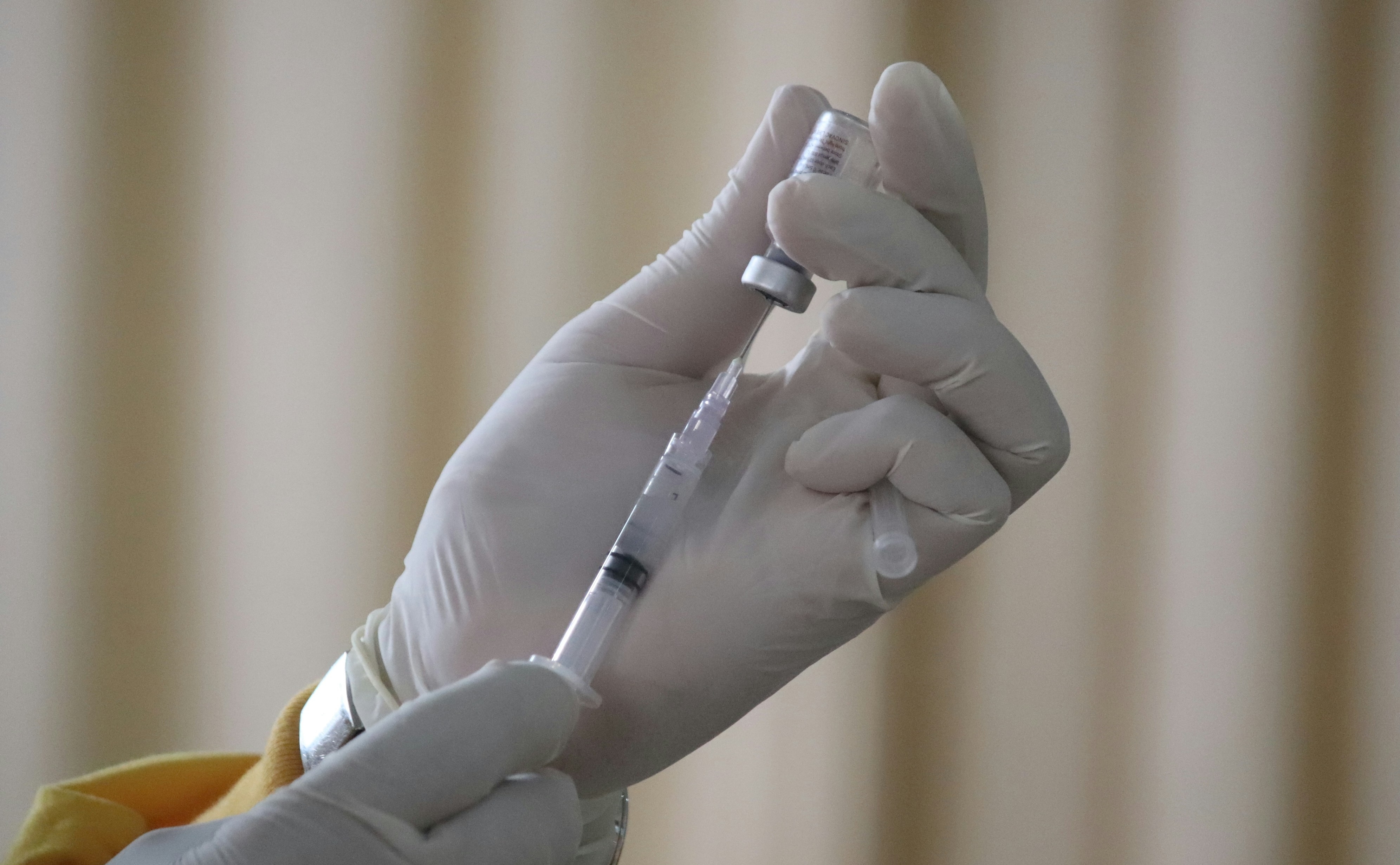 Vaccination//File
Bashman said Kenya has both the policy direction and infrastructure to expand.
“Although Kenya’s HPV vaccine coverage is currently below global targets, the country possesses both the political commitment and the healthcare infrastructure needed to address this issue. Ensuring robust vaccination efforts for girls is critical – in the same breadth, policy support for vaccination opportunities for adult women who missed out previously are essential steps forward,” he said.
He warned that sticking to girls-only vaccination will slow elimination.
“Girls-only vaccination remains essential, but in high-burden settings it is not sufficient to achieve cervical cancer elimination,” Bashman said. “If countries rely solely on girls-only strategies, many girls and adult women will continue to have never received HPV vaccination and large cohorts of unvaccinated women and WLHIV - who are six times more likely to develop cervical cancer - will continue to present late, and deaths will remain high. Progress toward elimination will slow.”
He added that the fastest impact comes from combining approaches. “The evidence is clear: the fastest reduction in deaths comes from combining strong adolescent coverage with screening and catch-up pathways for missed cohorts and WLHIV, while planning for gender-neutral vaccination to strengthen herd protection over time.”
Bashman also responded to critics who question industry involvement in the debate.
“The recommendations are fundamentally grounded in public health imperatives, not commercial drivers,” he said. “They reflect the fact that HPV is responsible for more than 95% of cervical cancer cases, that sub-Saharan Africa carries the highest burden globally of cervical cancer - 19 of the top 20 countries with the highest incidence of cervical cancer countries in the world are in sub-Saharan Africa-, and that late-stage diagnosis of cervical cancer is widespread in the region, contributing to poor survival outcomes.”
He pointed to Kenya’s relatively recent rollout. “Kenya started their program in 2019 with a vaccine coverage rate below the global target of 90%– that means that many Kenyan adult women and even some girls would not have received protection against cervical cancer through an HPV vaccine and remain at risk of developing cervical cancer.”




![Africa CDC Director General Dr Jean Kaseya at a past event. [Photo: Arthur Mbuguah, WHM]](https://cdn.radioafrica.digital/image/2026/10/8ced213c-affb-4dff-97ca-1b6bac1f958e.webp)