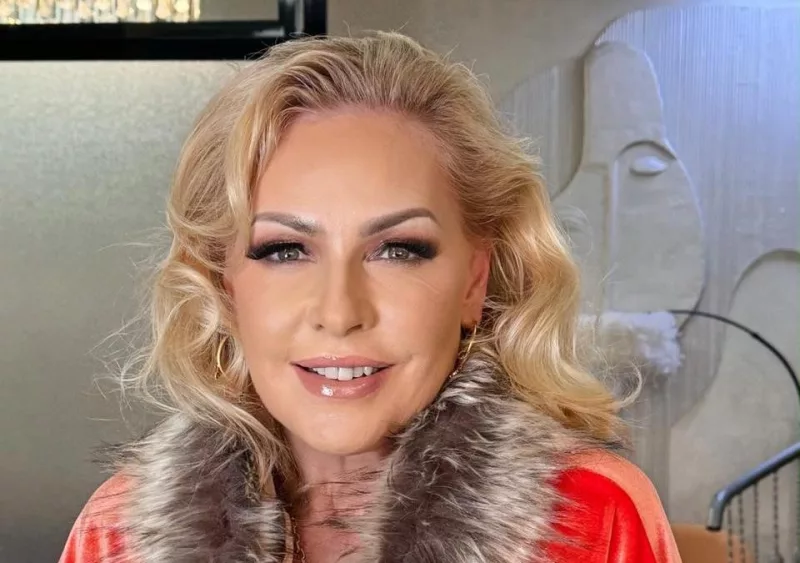
 National
Gender and
Equality
Commission
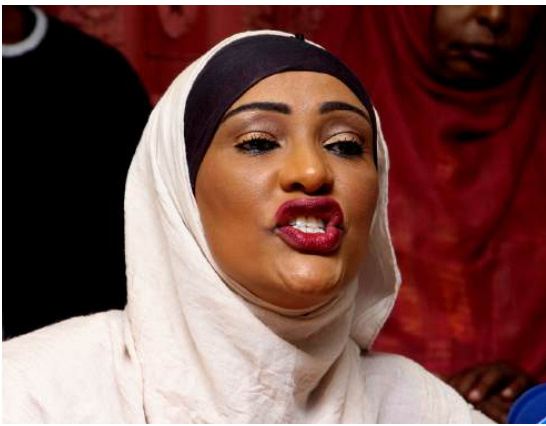
chairperson
Rehema Jaldesa/FILE
National
Gender and
Equality
Commission
chairperson
Rehema Jaldesa/FILE
As the world marked the Day of Zero Tolerance for Female Genital Mutilation on Friday last week, an emerging trend is threatening to undo decades of progress.
Medicalised FGM — whereby greedy and unscrupulous health professionals perform the procedure — is on the rise, as advocates turn to the courts to defend and enforce hard-won bans and protections.
The National Gender and Equality Commission documented this shift.
“Kenya has made notable progress in reducing FGM over the past two decades,” NGEC chairperson Rehema Jaldesa said in a communiqué.
“However, new challenges have emerged, including the medicalisation of the practice, cutting of younger girls and even infants, and the use of secret or cross-border methods to evade detection.”
Health experts say FGM has no medical benefits and causes irreversible physical and psychological harm, regardless of who holds the blade. It can cause infection, bleeding, pain during sex, difficulties in childbirth and death.
For Catherine Mootian, a survivor from the Maasai community and director of the NGO AfyAfrica, the trauma is a lifelong sentence.
“The event is always fresh in our minds,” she said, recalling her own cutting at age 12, despite her father being a medical doctor. He did not help her.
Many communities consider FGM a rite of passage, and a prerequisite for marriage because it deprives women of sexual pleasure and ensures chastity.
For many women, the consequences resurface at key moments in life.
“Giving birth became another trauma,” Mootian continued. “Because of the cut, I had to undergo caesarean sections. For many others, it’s miscarriages, being married off young and never returning to school.”
Mootian highlighted the lack of post-FGM support.
“When perpetrators are taken to court, that is important. But what happens to the girl who was cut? Who supports her healing, her education, her future?”
The movement is pivoting toward survivor-led advocacy, moving into the hands of local women-led organisations that provide therapy and safe houses.
The United Nations Population Fund highlighted the impact of community-led initiatives in Tanzania, Ethiopia, Somalia, Djibouti and Guinea, among others, which are undoing damaging societal norms.
Ousmane Camara, an imam in Guinea, is among religious leaders denouncing the practice.
“During my sermons, I speak openly that female genital mutilation is not a prescription of islam,” he told UNFPA.
“Too many girls suffer from the severe health consequences of this practice, we must put an end to it.”
UN global data shows that about 4.4 million girls are at risk every year — translating to 12,000 cases every day — with complications arising from the practice costing health systems an estimated $1.4 billion (Sh180.7 billion) annually.
Kenya’s national prevalence has fallen to around 15 per cent owing to decades of activism and a robust legal framework anchored by the Prohibition of Female Genital Mutilation Act of 2011.
Yet, cultural persistence in hotspot counties and the new evasion tactics underscore that the law on paper is insufficient without implementation, enforcement, education and adaptation. Punishing perpetrators and abettors fuels community resentment and deprives families of income.
Tony Mwebia, director of the Kenya-based Men End FGM organisation, said bans are circumvented when social incentives persist.
“Men are not just bystanders…They decide what is acceptable. If men continue to expect women to be cut [before marriage], the practice will continue, even if it is illegal.”
Strategic litigation is emerging as a pivotal tool. A new report by Equality Now on Wednesday last week showed courtrooms are being used to fortify anti-FGM efforts worldwide, with Kenya providing a key example.
In 2021, the High Court dismissed a petition seeking to legalise FGM by framing it as a matter of cultural ‘consent’.
“Our research finds that strategic litigation is one of the most powerful ways to challenge FGM by exposing gaps in protection, setting legal precedents and driving wider reform,” Divya Srinivasan of Equality Now said. “But litigation alone is not enough.”
The threat persists across the continent. In The Gambia, the Supreme Court is hearing a case seeking to overturn the national ban. Activists warn that if this succeeds, it could embolden similar movements in Kenya and other East African nations.
The convergence of these issues highlights the need for a multifaceted strategy. It is key to couple judicial action with sustained investment in community-led programmes, protection services and a focus on training healthcare providers to reject complicity in the practice.
"Strengthening partnerships, scaling effective solutions and reinforcing coordinated action are essential to safeguard gains and accelerate progress until FGM is eradicated," Jaldesa said.