The Cabinet has authorised the release of Sh4.1 billion to scale up response interventions in regions affected by worsening drought conditions.
In a Cabinet dispatch, the government said drought conditions have deteriorated rapidly since January 2026 following the failure of the October–December 2025 short rains.
An estimated 3.3 million people are currently facing acute food insecurity, with the number projected to rise to 3.6 million by June 2026 if urgent intervention is not taken.
The Cabinet noted that the situation is affecting both arid and non-arid areas. Mandera, Wajir, Kwale and Kilifi counties are now in the Alarm phase, while 12 other counties are in the Alert phase, most of them on a worsening trajectory.
Acute malnutrition continues to rise, with more than 810,000 children affected. The dispatch also said 104,000 pregnant and lactating women are impacted, alongside other vulnerable groups.
The additional funding will supplement allocations made in December 2025 and January 2026 that supported relief food, logistics and limited non-food assistance.
However, the Cabinet warned that current stocks are expected to last only two to three weeks, underscoring the urgency of further support.
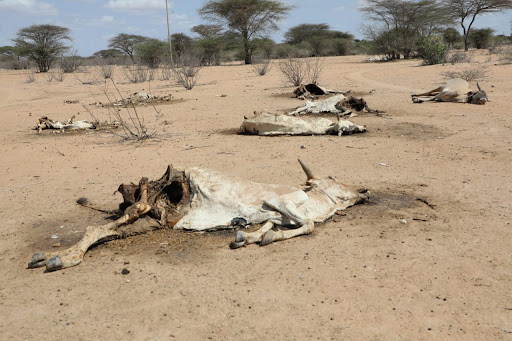
The Cabinet also raised concern over deteriorating livestock conditions, increased livestock deaths and distress sales.
It flagged rising human-wildlife conflict and warned of the risk of escalation into an “emergency phase” if the situation continues to worsen.
Theapproval comes a day after Deputy President Kithure Kindiki revealed that government will spend Sh4 billion every month to procure food and non-food items, livestock feeds and water as part of ongoing drought response measures.
The funds will go towards food and water for people, livestock and wildlife in areas hit by drought.
In addition to the monthly allocation, the government has asked development partners to top up the response with an additional Sh2 billion, saying the combined funding would strengthen the effectiveness of drought interventions.
Speaking during a press conference on Monday, Kindiki said up to 23 counties are currently in need of drought response measures, with about 3.3 million people affected.